
Last updated November 2, 2026
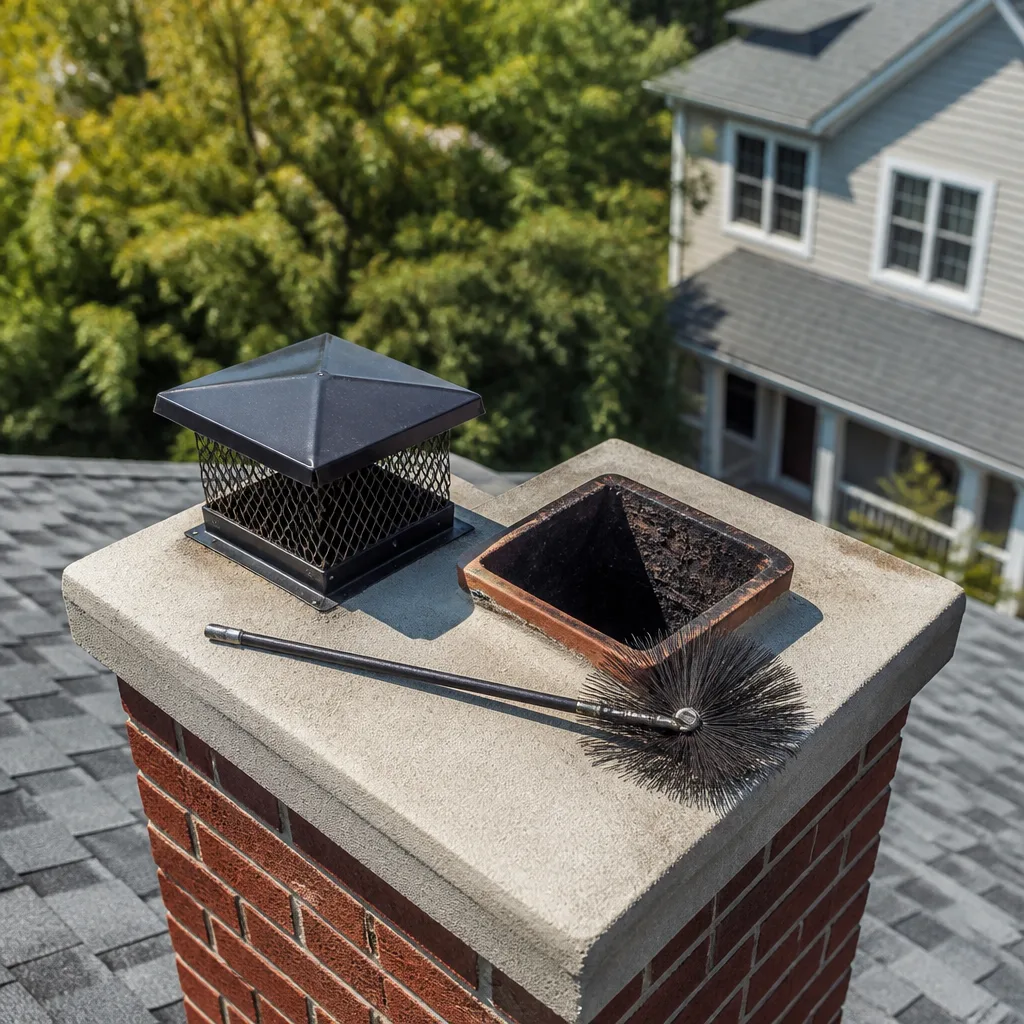 Sweep & inspection
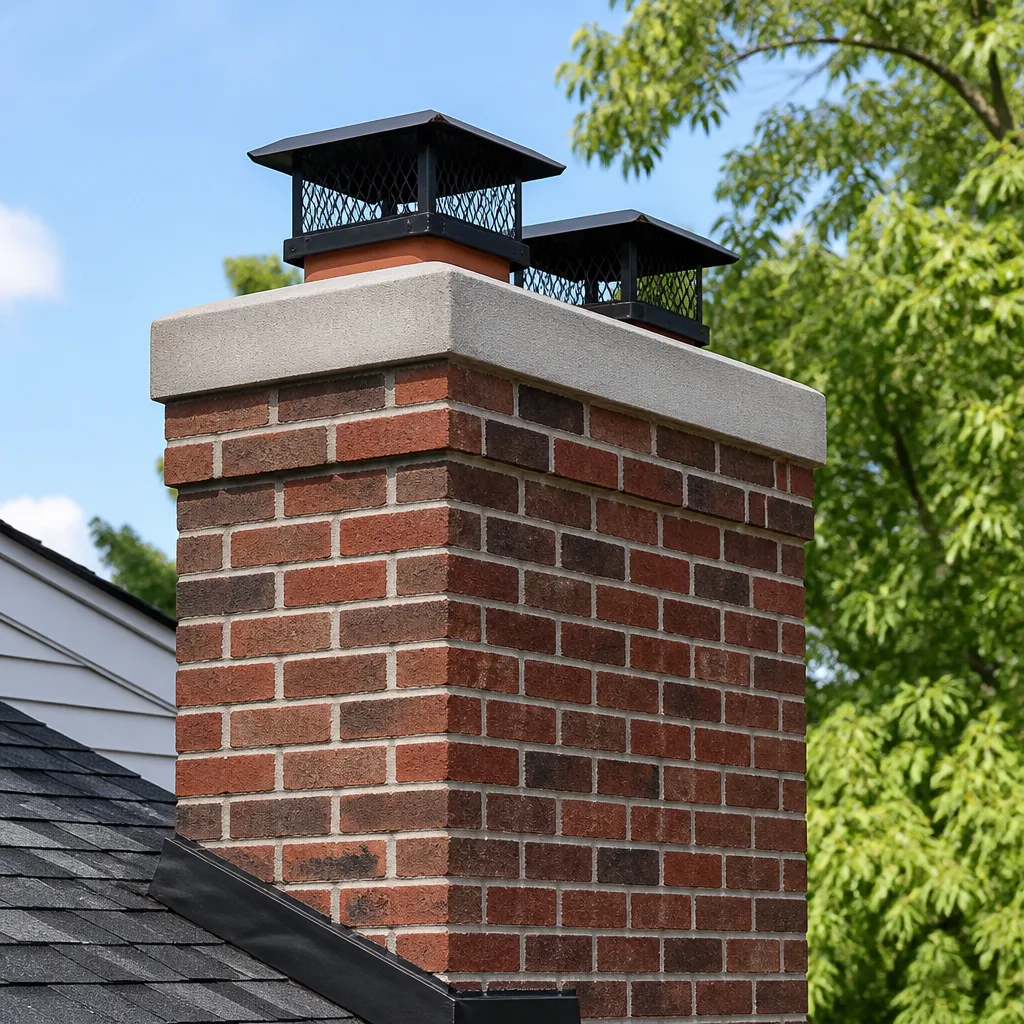 Caps & crowns
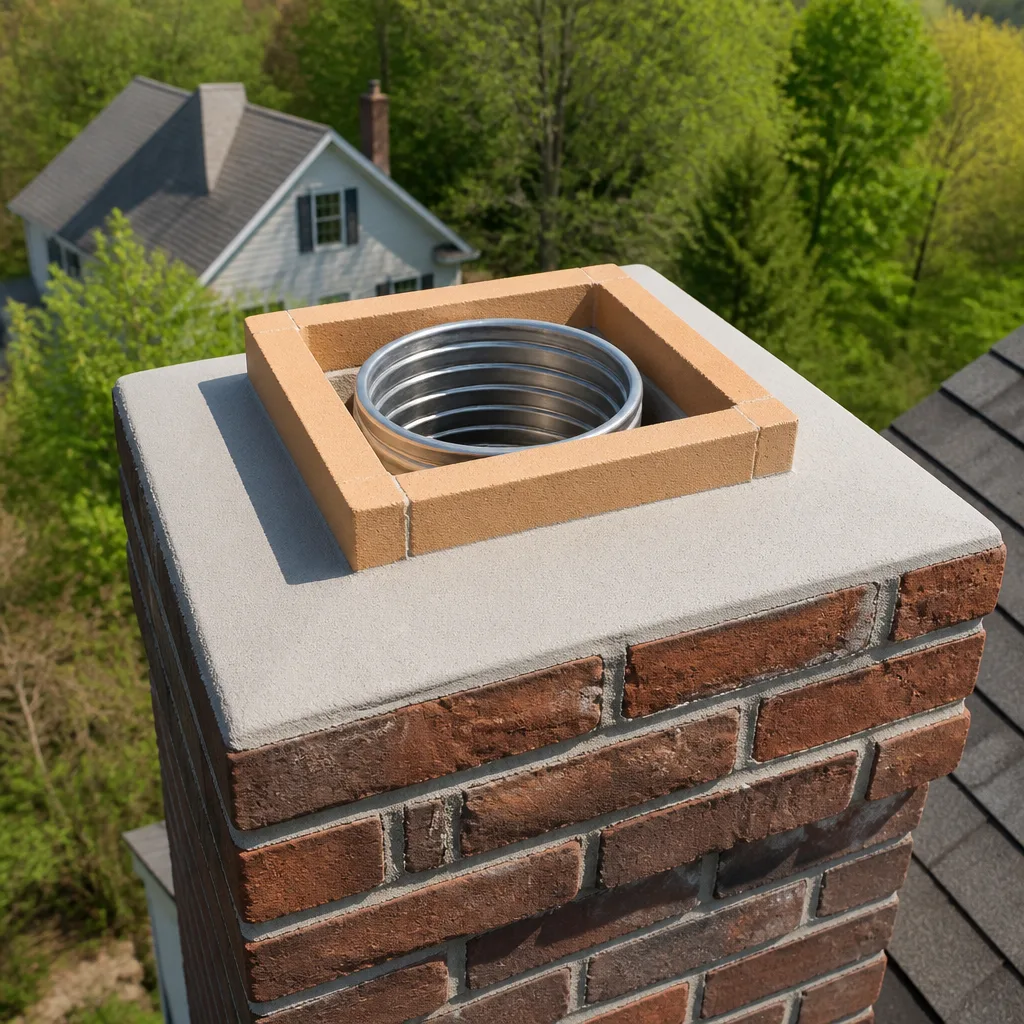 Flue relining
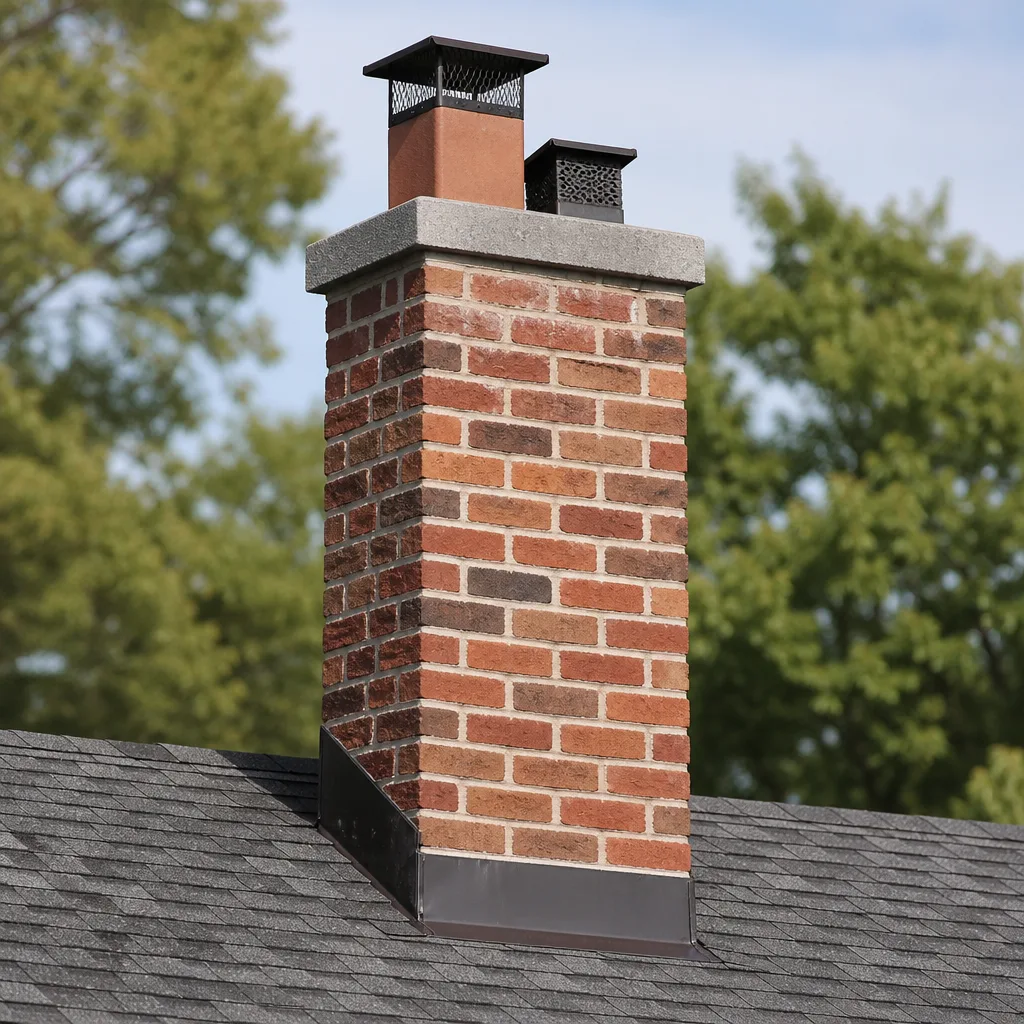 Masonry repair
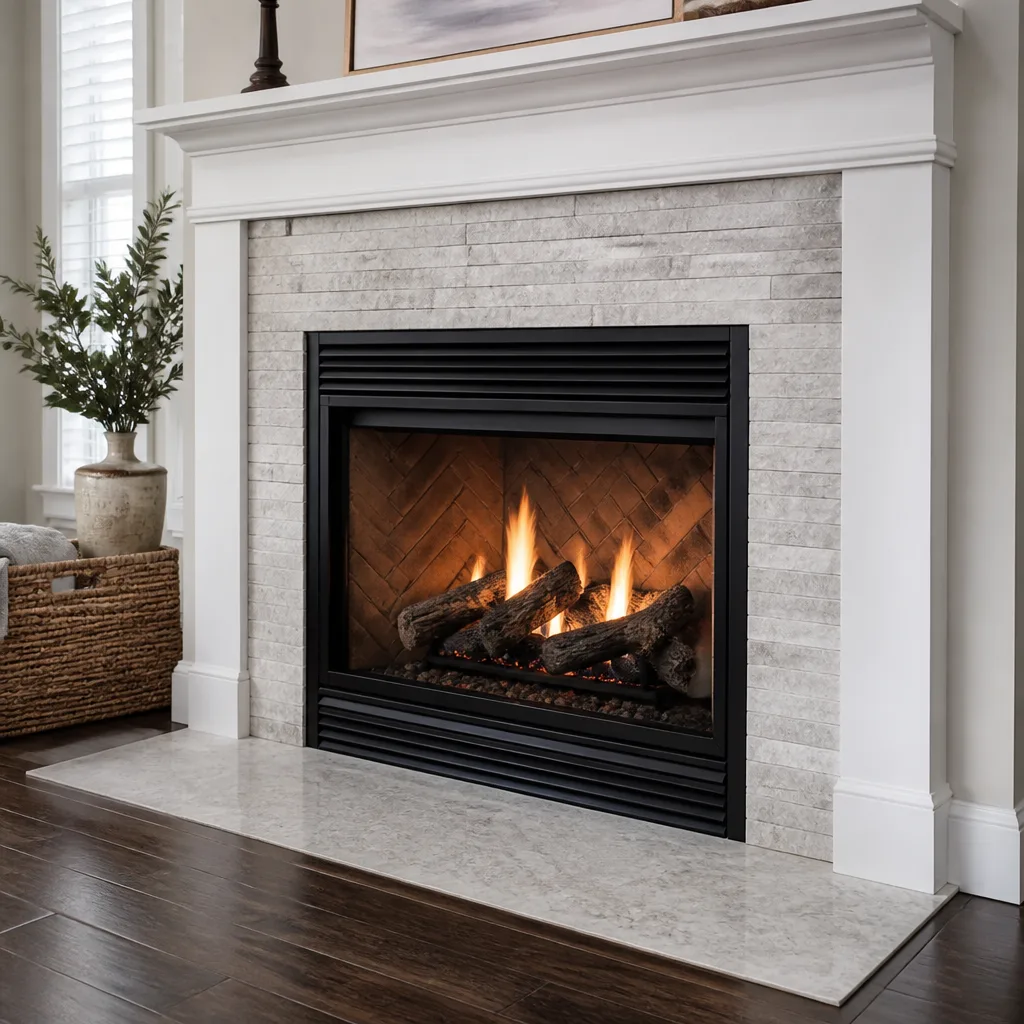 Gas fireplace service
Level 1 sweep and inspection to the NFPA 211 annual standard - flue, crown, cap, and flashing checked and photographed
Chimney sweep logs do not sweep chimneys. They loosen some creosote - which then falls where a brush and vacuum still have to collect it.
Choosing the Right Chimney Cleaning Brand: A Buyer’s Guide for Almaden
Most homeowners in Almaden spend more time researching which coffee maker to buy than which materials go onto their chimney. That’s backwards. A chimney cap, a liner system, a sealant, even the brushes and vacuums used during cleaning all have real quality variation, and the consequences of choosing poorly aren’t cosmetic. A decorative cap that fails California spark arrestor requirements leaves you with a fire inspector’s citation and a redo. A liner system bought from whoever sells cheapest on a supply site fails years early, and that failure is silent, inside the flue, where you can’t see it until something worse happens. This guide explains what to look for, what to ask, and why the product names a sweep uses tell you more about their standards than their marketing ever will. For additional help, see our Complete Chimney Sweep Guide for Almaden Homeowners. We’ll cover the brands that matter in Almaden, the materials that survive our climate, and the questions that separate a knowledgeable specialist from a person with a brush and a truck.
Styles & brands we work with
- Sweep & inspection
- Caps & crowns
- Flue relining
- Masonry repair
- Gas fireplace service
Quick Answer
Choosing the right chimney cleaning brand in Almaden means evaluating the products your sweep actually uses: the chimney cap, the liner system, the sealant, and the cleaning equipment. Look for a sweep who works with trade-recognized supply networks like Olympia Chimney, Copperfield, Famco, and DuraFlex, installs stainless steel components rather than galvanized, and can name the specific liner or cap going on your chimney. If a contractor gives you a vague answer about materials, that’s your signal to keep looking.
Table of Contents
- Why the Brand Question Matters More Than Homeowners Realize
- Chimney Caps: California Spark Arrestor Compliance and What Fails It
- Stainless Steel vs. Aluminum vs. Galvanized: What Almaden’s Climate Actually Does to Each
- Sealants and Crown Coatings: Professional Grade vs. Hardware Store Alternatives
- Liner Systems: How to Ask About DuraFlex and Why Vague Answers Are a Red Flag
- Cleaning Equipment: Commercial HEPA Vacuums vs. Shop Vacs and Your Air Quality
- Seven Questions to Ask Any Chimney Sweep in Almaden
- Common Mistakes to Avoid
- When to Call a Professional
- Frequently Asked Questions
- The Bottom Line
Why the Brand Question Matters More Than Homeowners Realize
When you hire a chimney sweep in Almaden, you’re not just hiring a person. You’re hiring their supply chain. Every decision that sweep makes about which cap to install, which liner to use, which sealant to apply, and which brushes to run through your flue is a decision about your home’s safety and your money. A sweep who buys whatever’s cheapest at the local hardware store is making a different set of choices than one who sources from supply networks the chimney trade actually respects.
Here’s what the brand question reveals. When a contractor can name the liner system they install, like DuraFlex, that means they’ve made a deliberate choice about materials. DuraFlex is a flexible stainless steel liner system that’s been the professional standard in relining for decades. It’s not the only option, but it’s a specific, verifiable, engineering-driven product. When a contractor says “we use whatever liner works,” that’s not humility. That’s either a lack of experience or a procurement strategy built entirely on price.
The same logic applies to caps and venting components. Products sourced through Olympia Chimney and Copperfield supply networks are built to trade specifications, not big-box retail specifications. Famco makes venting and chimney components that contractors specify when they want the part to fit correctly the first time. These names matter because they represent a supply chain that values dimensional accuracy, material quality, and code compliance. Homeowners in Almaden don’t need to become product engineers, but knowing that a sweep works with these networks tells you something about their standards before you ever see their work.
We’ve seen what happens when the brand question gets ignored. A homeowner hires the cheapest sweep on a coupon site, gets a decorative cap installed, and six months later a fire inspector in Almaden flags it because the mesh openings are too large to meet California spark arrestor requirements. The cap looked fine. It was $40 cheaper. Now it has to come off, and the compliant cap has to go on, and the total cost is higher than if the right cap had been installed the first time. The brand question isn’t snobbery. It’s the most practical question you can ask.
Chimney Caps: California Spark Arrestor Compliance and What Fails It
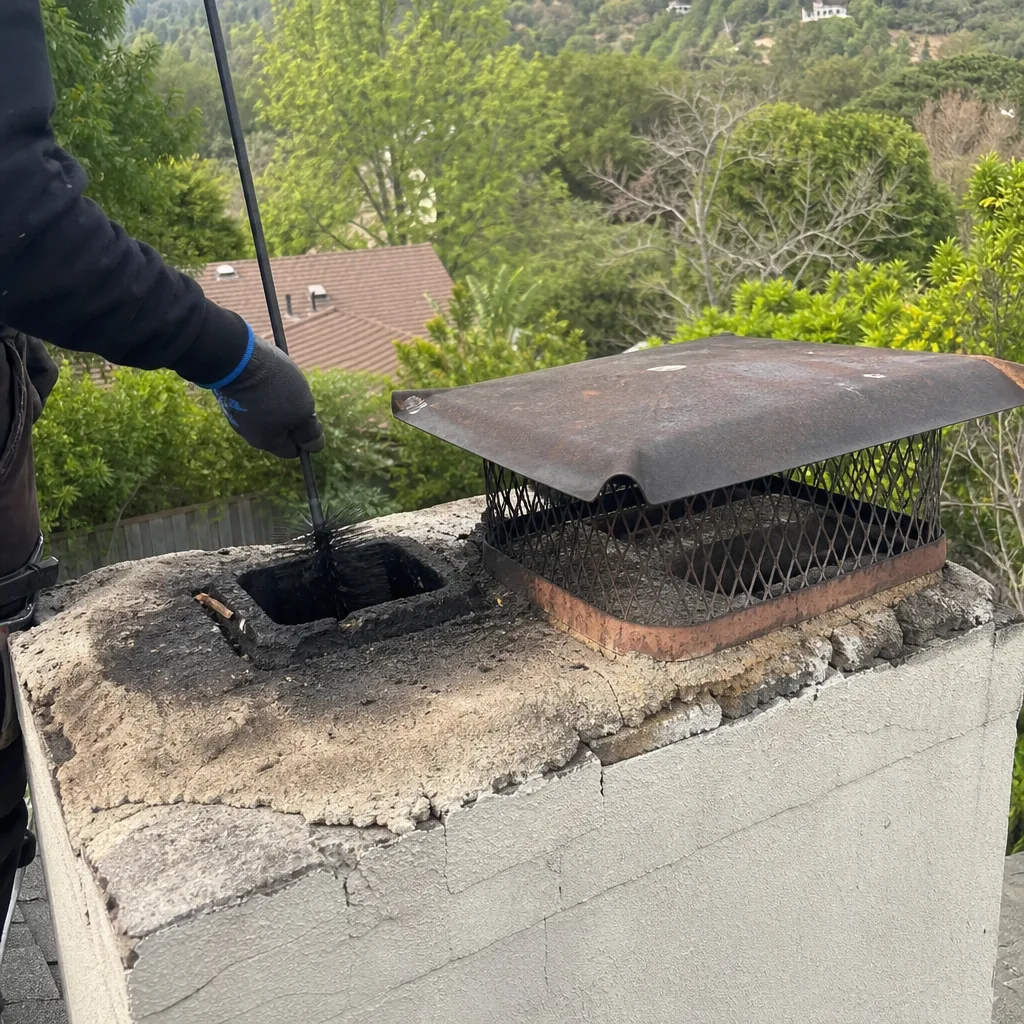
California has specific requirements for spark arrestors on chimneys serving solid fuel appliances. The mesh screen must have openings no larger than half an inch and no smaller than three-eighths of an inch. That range matters. Openings larger than half an inch let embers escape, which is exactly what a spark arrestor exists to prevent. Openings smaller than three-eighths of an inch clog with creosote and soot, which restricts draft and creates a different fire hazard. The California Building Code and the California Fire Code both reference these dimensions, and inspectors in Almaden check them.
Not all chimney caps meet this standard. Decorative caps, which are built primarily to look good from the street, sometimes use mesh with openings that exceed the half-inch maximum. They’re sold as chimney caps, they install like chimney caps, and they fail inspection like cheap toys. A homeowner has no way to know this by looking at the cap. The mesh looks like mesh. Unless you carry a ruler up to the roof, which most homeowners don’t, you’re trusting the person who sold you the cap.
This is where the supply chain question becomes concrete. Caps sourced through Olympia Chimney and Copperfield are built to code. These are supply networks that serve the chimney trade, not the home decor market. When a sweep in Almaden installs a cap from these networks, they’re installing a product that was designed by people who know what a fire inspector checks. The dimensions are right. The material is right. The cap does both jobs: it keeps embers in and animals out, and it passes inspection.
Here’s the practical test. Ask your sweep what brand of cap they’re installing and what the spark arrestor mesh size is. If they can answer both questions immediately, you’re talking to someone who knows the product. If they pause, or say “it’s a standard cap,” or tell you not to worry about it, that’s a signal. A knowledgeable professional can name the cap and the spec. In Almaden, where fire season is a real thing and inspectors are thorough, that’s not a trivial distinction.
Stainless Steel vs. Aluminum vs. Galvanized: What Almaden’s Climate Actually Does to Each
Chimney components in Almaden live outside. They face sun, rain, wind, and temperature swings. The material they’re made from determines how long they survive that exposure, and the differences are not subtle.
Galvanized steel is steel coated with zinc. The zinc layer protects the steel underneath until it doesn’t. Once the zinc coating is scratched, or once it corrodes through, the underlying steel rusts quickly. In Almaden’s climate, with its wet winters and dry summers, galvanized chimney caps and components typically show visible rust within three to five years. Galvanized is cheap, which is why it shows up on budget installations. It’s also why those installations need replacing while the rest of the chimney is still fine.
Aluminum resists rust, which makes it sound better than galvanized, and for some applications it is. But aluminum is soft. It dents. It deforms under heat stress. For chimney caps and venting components that experience thermal cycling, aluminum is a compromise material. It survives corrosion better than galvanized but fails structurally sooner than stainless. Some aluminum caps in Almaden are perfectly serviceable for gas appliance venting, but for a wood-burning chimney cap, stainless is the right choice.
Stainless steel is the standard for a reason. Type 304 stainless and Type 316 stainless resist corrosion, handle heat cycling, and hold their structural integrity for decades. This is why DuraFlex liner systems are stainless, and why quality caps sourced from Olympia Chimney and Copperfield are stainless. The material costs more up front, but the lifespan difference is drastic. A stainless cap in Almaden might last twenty years or more. A galvanized cap in the same conditions is often done in five.
The practical takeaway: when you’re comparing quotes, ask what the cap and components are made of. If one quote is materially lower, the answer is usually galvanized. Nothing wrong with knowing that, but know what you’re buying. A chimney is not the place to economize on materials that live on your roof.
Sealants and Crown Coatings: Professional Grade vs. Hardware Store Alternatives
The chimney crown is the concrete slab at the top of your chimney that sheds water away from the flue. When the crown cracks, water gets in, and water is the enemy of masonry. It freezes, expands, and turns hairline cracks into structural problems. The fix is a crown coating or a sealant. What product gets applied matters more than most homeowners know.
Hardware store sealants are typically silicone or acrylic-based products sold in small tubes. They’re fine for small, non-structural repairs: a tiny crack, a gap around a vent pipe. But they’re not designed to resurface an entire crown. They don’t have the elasticity to handle the thermal expansion and contraction a chimney crown experiences in Almaden, where summer afternoon temperatures can swing hard. They peel, they crack, they fail, and water gets back in. Worse, some hardware store sealants trap moisture inside the crown instead of letting it escape, accelerating the damage they were supposed to stop.
Professional-grade crown coatings are a different class of product. They’re engineered for the specific job of sealing chimney crowns. They’re flexible enough to move with the masonry, durable enough to handle UV exposure and rain, and breathable enough to let trapped moisture escape. The brands that make these products, like Gelco and HeatShield, don’t sell through big-box retail. They sell through chimney supply networks because they’re designed for professional application. That’s not gatekeeping. It’s a recognition that the product requires a trained installer to perform.
HeatShield is worth special attention here. HeatShield isn’t just a sealant. It’s a resurfacing technology for structurally compromised flues, applied through a proprietary process that restores the flue’s interior surface. Most chimney sweeping companies in Almaden cannot offer HeatShield because they don’t have the training and they don’t have the supplier relationship. A company that applies HeatShield is operating at a repair tier beyond simple sweeping. That capability matters if your chimney has damage that a brush can’t fix.
When a chimney sweep in Almaden recommends a crown coating, ask what product they use. If they name a professional-grade brand, that’s a good sign. If they say “a sealant” or “whatever the supplier has,” you’re probably getting a tube of caulk, not a crown coating. The difference is measured in years.
Liner Systems: How to Ask About DuraFlex and Why Vague Answers Are a Red Flag
A chimney liner is the inner surface of your flue: the wall between the fire and your home’s structure. When a liner is cracked, deteriorated, or absent, combustion gases can leak into the house, and heat can transfer into surrounding framing. A liner problem is a real problem, and the fix is a relining. What liner goes in matters enormously.
DuraFlex is a flexible stainless steel liner system made by a manufacturer with deep history in the chimney trade. It’s used for both wood-burning and gas applications, it’s UL-listed, and it’s installed by professionals who’ve been trained on the product. When a sweep in Almaden tells you they’ll line your chimney with DuraFlex, that’s a specific, verifiable claim. It tells you the material, the system, and the supplier relationship in one phrase.
Now consider the alternative. You ask a contractor what liner they install, and they say “a stainless liner.” That’s not an answer. Stainless steel is a material, not a system. Which manufacturer? Which alloy? What insulation method? What installation technique? The answers to those questions determine whether the liner lasts twenty years or fails in five. A contractor who can’t answer them is either buying whatever’s cheapest at the supply counter or doesn’t understand the product they’re installing. Either way, you’re taking a risk on a component that sits between your family and combustion byproducts.
Here’s how to ask the question. “What specific liner system do you install, and why do you use that one?” A good answer sounds something like: “We use DuraFlex stainless liner systems because they’re UL-listed, they’re made in the US, and we’ve seen them hold up in Almaden’s climate for years.” A bad answer sounds like: “Stainless. It’s all the same.” It is not all the same.
We want to be direct about this because it’s the single most important material question on a chimney. The liner is the component that fails silently. You won’t see it corrode. You won’t hear it crack. You’ll discover it when a chimney inspection finds it, or worse, when a problem announces itself. Choosing a sweep who can name their liner system is not a luxury. It’s the minimum standard for professional work.
Cleaning Equipment: Commercial HEPA Vacuums vs. Shop Vacs and Your Air Quality
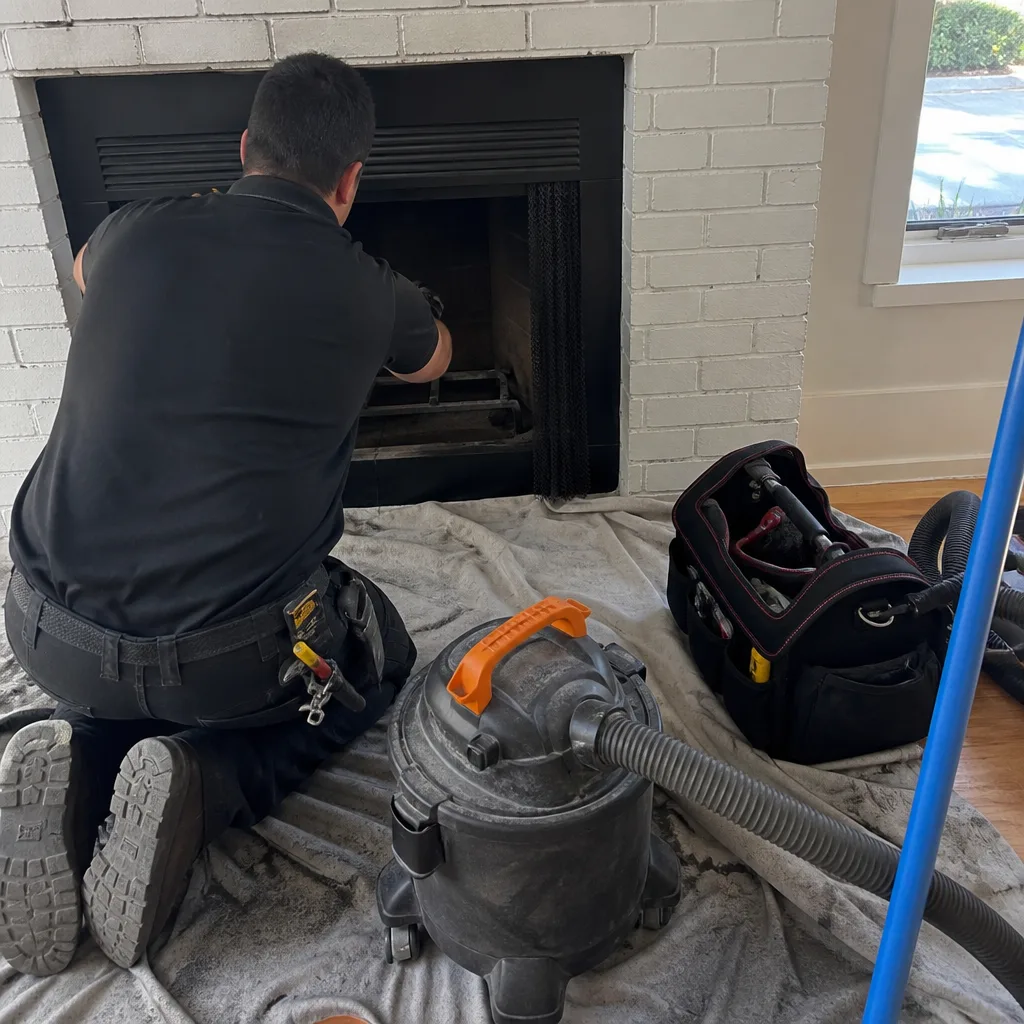
The equipment a sweep brings into your Almaden home determines what happens to the soot and creosote once it’s dislodged from your flue. A brush knocks the material loose. Something has to capture it. What that something is makes a difference you can feel.
A shop vac is a wet/dry vacuum sold at hardware stores for garage cleanup. It’s not designed for chimney cleaning. Its filter system is coarse enough that fine soot particles pass through and re-enter your home’s air. You won’t see them, but you’ll smell them, and if anyone in the house has respiratory sensitivities, they’ll feel them. A shop vac also lacks the static pressure and airflow characteristics needed to handle the volume of fine particulate a chimney cleaning produces. It’s the wrong tool for the job, and it’s what budget sweeps use because it’s cheap.
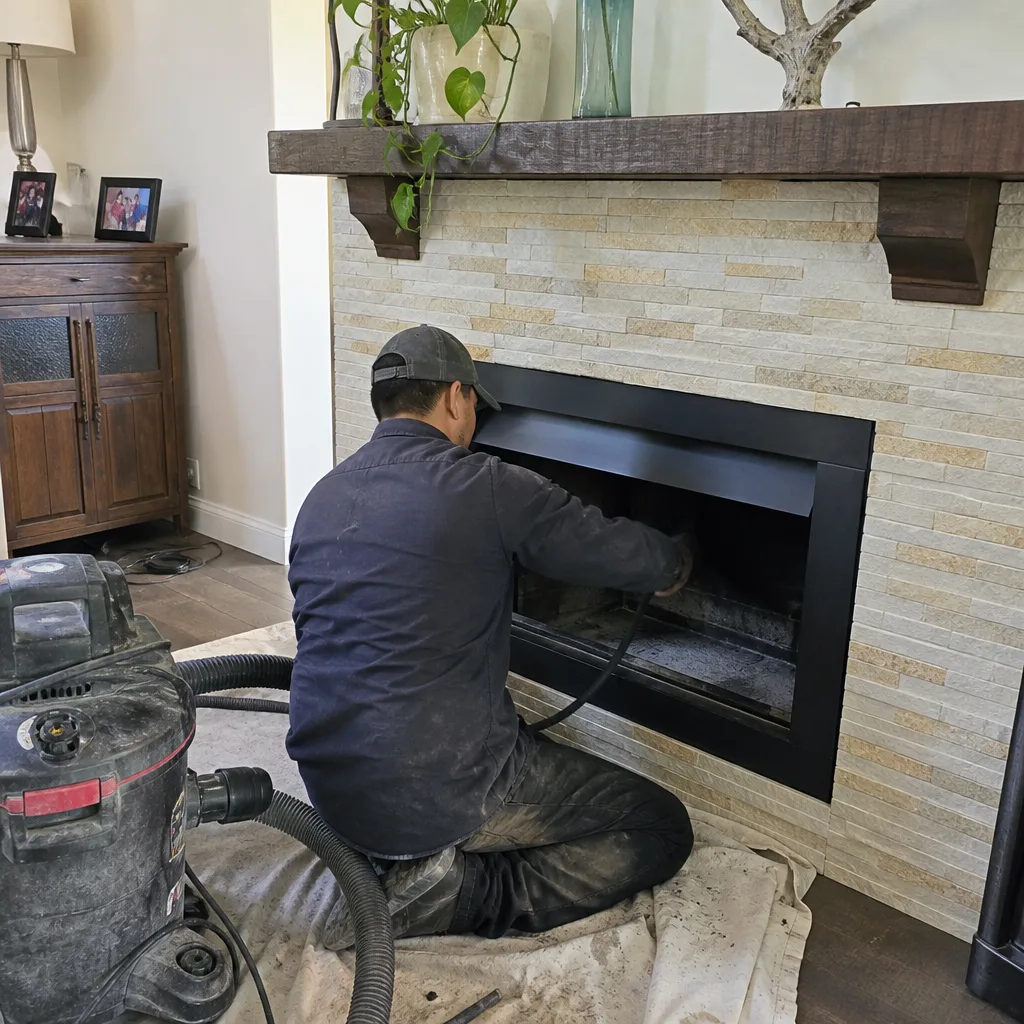
A commercial chimney vacuum system is a different animal. These are purpose-built machines with multi-stage filtration, often including HEPA filters, designed specifically for the particle size and volume that chimney cleaning generates. They’re powerful enough to capture soot at the source, and their filtration is fine enough that the air leaving the machine is cleaner than the air that went in. In our experience, a properly operated commercial vacuum system means you can’t tell a cleaning happened in your house, except that your chimney is clean. That’s the standard in Almaden, and it’s worth asking about.
The equipment question extends to brushes too. Professional sweeps use brushes sized to your specific flue dimensions, often with rotary systems that clean more thoroughly than a hand brush ever could. The right brush for a 6-inch round clay tile flue is different from the right brush for a rectangular masonry flue, and a professional knows which one to use. A sweep who shows up with one brush and a shop vac is not equipped to do a professional job, regardless of what they charge.
Ask before you book: what vacuum system do you use, and what filtration does it have? If the answer is “a HEPA-rated commercial chimney vacuum,” you’re talking to a professional. If the answer is vague or the equipment in the truck looks like it came from a garage, keep looking.
Seven Questions to Ask Any Chimney Sweep in Almaden
These questions are not designed to trip anyone up. They’re designed to reveal what a contractor knows and what they source. A professional answers them easily. Anyone else hesitates.
- What specific brand of chimney cap do you install, and what’s the spark arrestor mesh size? They should name a brand and a measurement. California requires mesh openings between three-eighths and half an inch. If they can’t say that, they’re guessing.
- What liner system do you use for relining, and why that one? Look for a specific product name like DuraFlex and a reason. “It’s UL-listed and we’ve seen it perform” is a good answer. “Whatever’s cheapest” is not.
- What vacuum system do you use during cleaning, and what’s the filtration rating? You want a commercial HEPA unit, not a shop vac. If they don’t understand the question, that’s your answer.
- Do you source your caps, liners, and venting from professional supply networks? Names like Olympia Chimney, Copperfield, and Famco indicate a trade supply chain. Big-box retail doesn’t.
- Can you handle repair work if the sweep finds damage, or do you refer it out? A full-service specialist handles both. A sweep-only company hands you a phone number and a problem. We cover sweeping and repair from start to finish, which means one point of accountability. If you’re comparing options, our Chimney Sweep Almaden home page explains the full scope.
- What crown coating or sealant do you apply, and is it professional grade? Look for names like Gelco or HeatShield. “A sealant” is not an answer. HeatShield in particular indicates a capability most sweep-only companies don’t have.
- Do you clean dryer vents as part of your service? This question reveals whether you’re talking to a chimney specialist or a venting specialist. Dryer vent cleaning is a core service for us, not an afterthought. For homeowners near the city center, we offer Dryer Vent Cleaning in Downtown San Jose as a dedicated service. Your fireplace and your dryer vent are both fire risks, and both deserve professional attention.
Common Mistakes to Avoid
- Choosing by price alone. A $99 sweep special in Almaden always means something got cut, usually the equipment, the materials, or the thoroughness. You’ll pay for the difference later.
- Assuming all caps are code-compliant. Decorative caps that fail California spark arrestor specs are still sold and still installed. Ask about mesh size, not just appearance.
- Accepting a vague answer about liner materials. “Stainless” is not a specification. If your sweep can’t name the liner system they install, you’re taking an unnecessary risk on a safety-critical component.
- Ignoring the dryer vent. Most chimney-only companies don’t clean dryer vents. That means a leading cause of residential fires goes unaddressed while you’re paying attention to the fireplace. Both need service.
- Treating crown cracks as cosmetic. A cracked crown in Almaden’s wet winters lets water into the masonry. What looks like a hairline issue becomes a structural one. Professional-grade sealants and coatings exist for this exact reason.
- Hiring a generalist for a specialist’s job. A handyman with a brush is not a chimney sweep. Chimney work involves fire safety, structural integrity, and code compliance. Those are specialist skills.
- Not asking about the vacuum before booking. A shop vac puts soot back into your home’s air. That’s not a detail. That’s the difference between a clean job and a mess.
When to Call a Professional
Call a professional if you haven’t had your chimney inspected in the last year and you use your fireplace regularly. Creosote builds up invisibly, and the buildup is what catches fire. Call if you’ve noticed water stains on the ceiling near the chimney, which signals a crown or flashing problem. Call if you smell a campfire-like odor in the house even when the fireplace isn’t in use, or if you see white staining on the exterior masonry, which indicates moisture intrusion. Call if your dryer takes longer than 45 minutes to dry a normal load, which signals a vent blockage. These are not do-it-yourself fixes. The components involved, high-temperature flues, masonry crowns, venting systems, are dangerous to work on without training and the right equipment. Chimney Sweep Almaden offers free estimates in Almaden, call (833) 593-6691 to schedule one.
Frequently Asked Questions
A California-compliant chimney cap has a spark arrestor mesh with openings between three-eighths and half an inch. Ask your sweep what the mesh size is. If they can’t tell you, don’t buy the cap. Caps sourced through professional supply networks like Olympia Chimney and Copperfield are built to these specs.
A DuraFlex liner is a UL-listed, stainless steel flexible liner system built to trade specifications and installed by trained professionals. A cheap liner is often thinner stainless, sometimes with unknown alloy composition, and may not be UL-listed. The difference shows up in lifespan and safety, not in appearance. We recommend asking specifically which liner system a sweep installs, for more on how we approach repairs, see our Chimney Repair in Downtown San Jose page.
Fast-rusting caps are almost always galvanized steel. Almaden’s wet winters and dry summers cycle moisture and UV exposure aggressively, wearing through the zinc coating in just a few years. Stainless steel caps, especially those sourced from professional supply networks, resist this corrosion and typically last decades.
Yes. A shop vac’s filter system allows fine soot particles to pass through and re-enter your home’s air. Commercial chimney vacuums use multi-stage and often HEPA filtration designed for the particle size and volume of chimney soot. The difference is measurable in your air quality during and after the service.
Look for a specialist who can name the products they install, uses commercial-grade cleaning equipment, handles repair work in-house, and treats dryer vent cleaning as a core service. For homeowners near the urban core, we also provide Chimney Sweep in Downtown San Jose with the same full-service scope.
Yes. Your dryer vent doesn’t care how often you use your fireplace. Lint buildup happens with every load, and it’s the NFPA’s documented leading cause of home dryer fires. Annual vent cleaning is the recommendation whether your fireplace is used daily or not at all.
The Bottom Line
The products a chimney sweep uses are the truest measure of their standards. In Almaden, where fire season is real and the climate punishes cheap materials, the right choices are stainless steel over galvanized, professional-grade sealants over hardware-store caulk, named liner systems over generic “stainless,” and commercial vacuum equipment over shop vacs. Asking about these specifics isn’t overreach. It’s the due diligence any homeowner should perform before someone works on a fire-safety component of their house. A sweep who sources from trade-recognized networks like Olympia Chimney, Copperfield, Famco, and DuraFlex, and who handles sweeping, repair, and dryer vent cleaning under one roof, is operating at a professional standard. Explore more guides & resources on our blog. That’s the standard to look for.
Written by the team at Chimney Sweep Almaden, serving Almaden since 2017.
See the difference
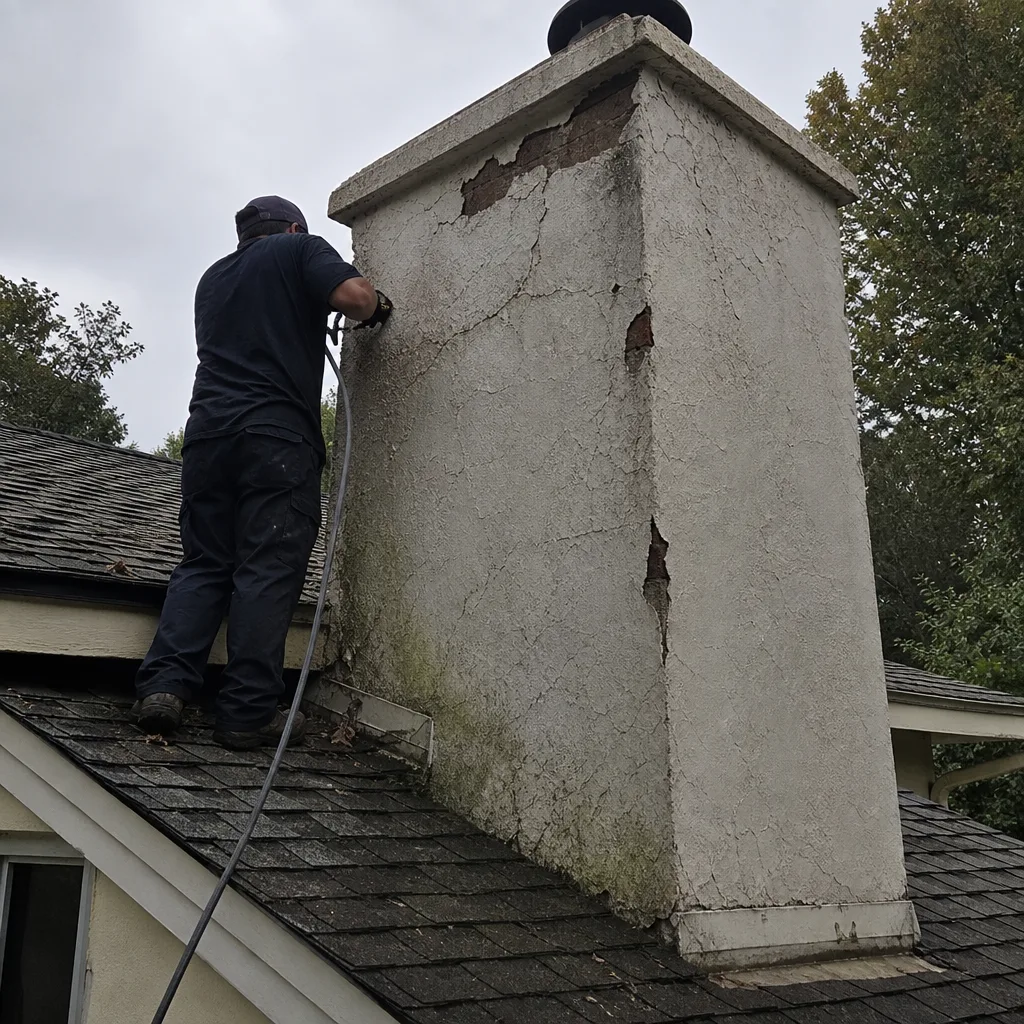 Before
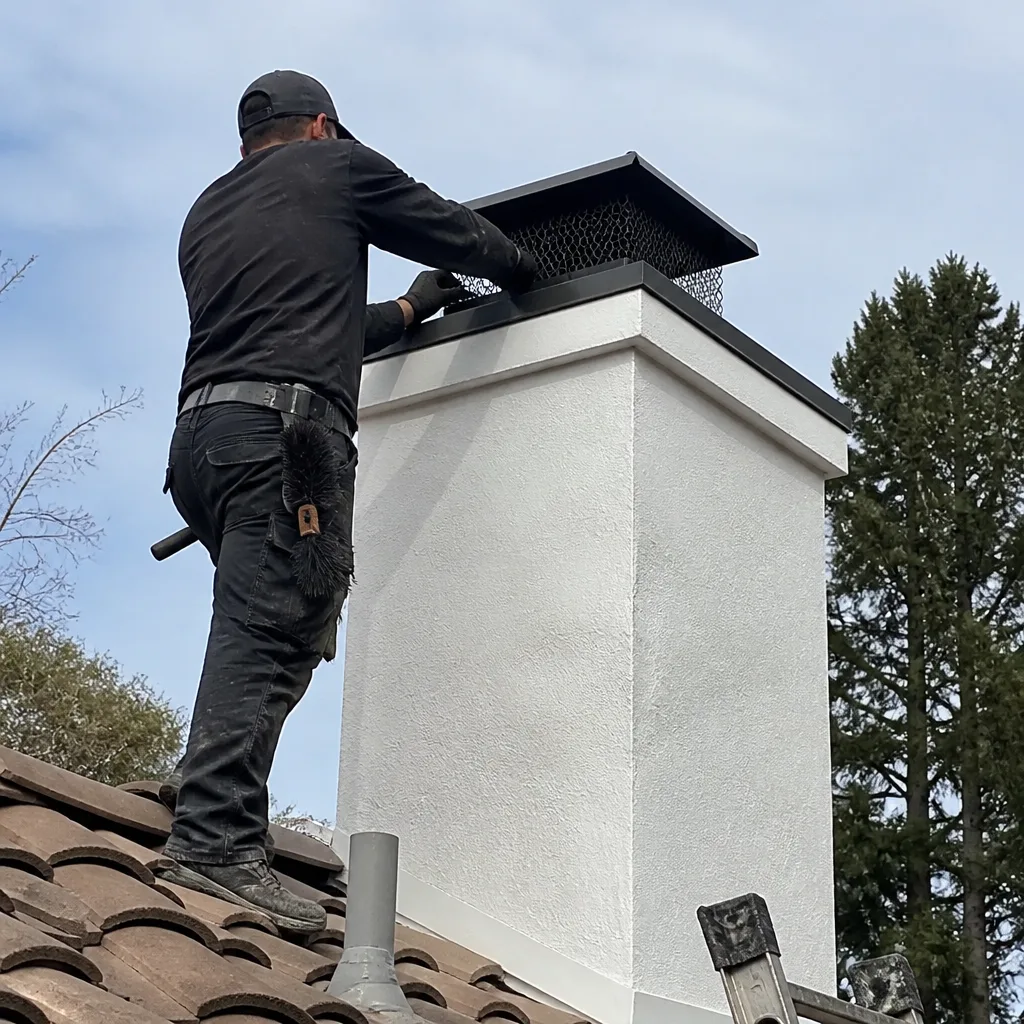 After
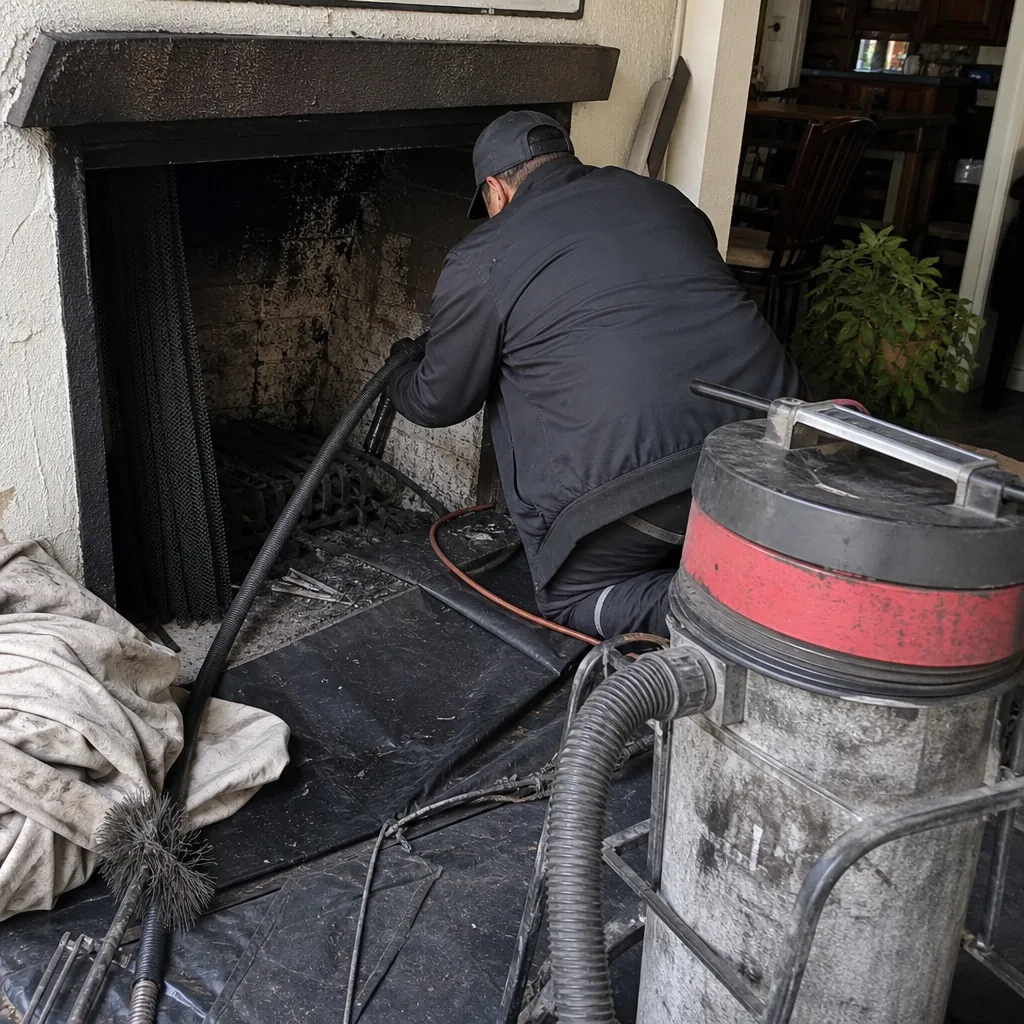 Before
 After
 Before
 After