
Last updated November 2, 2026
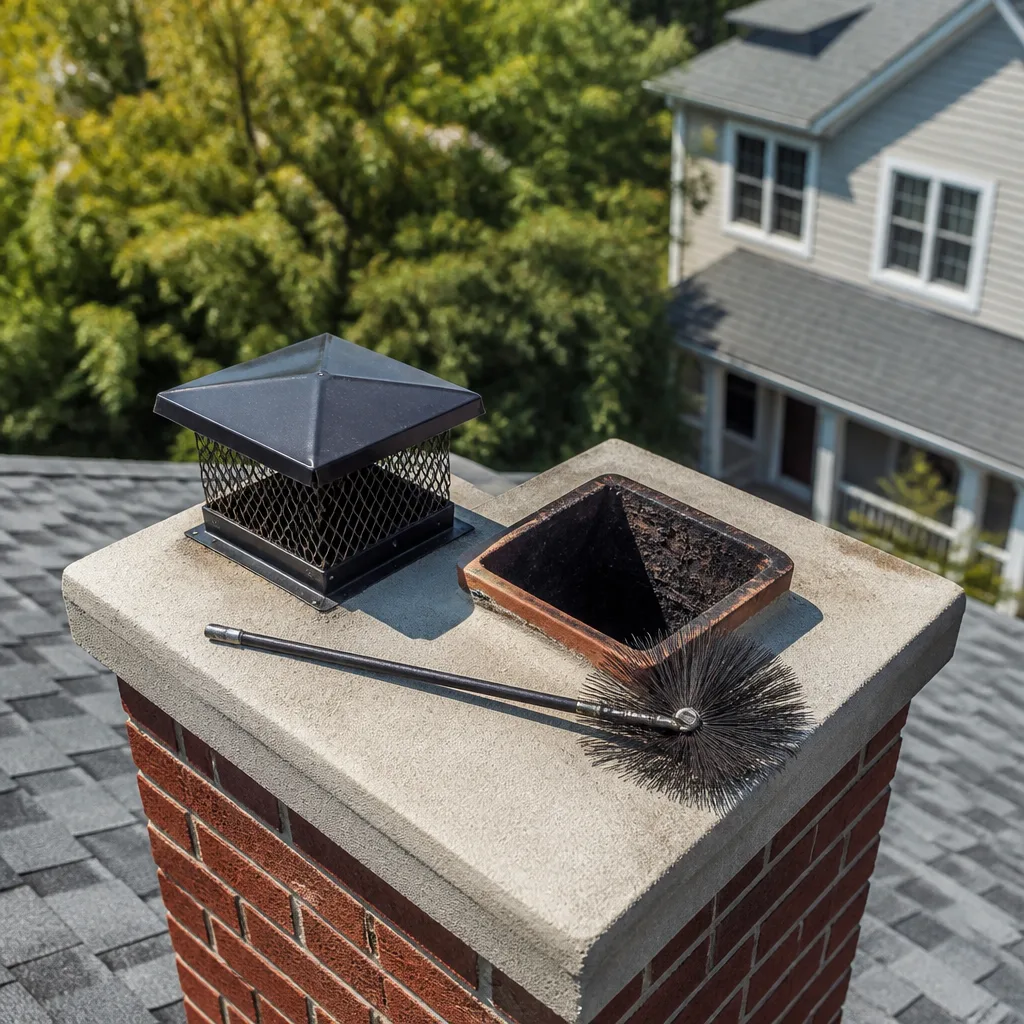 Sweep & inspection
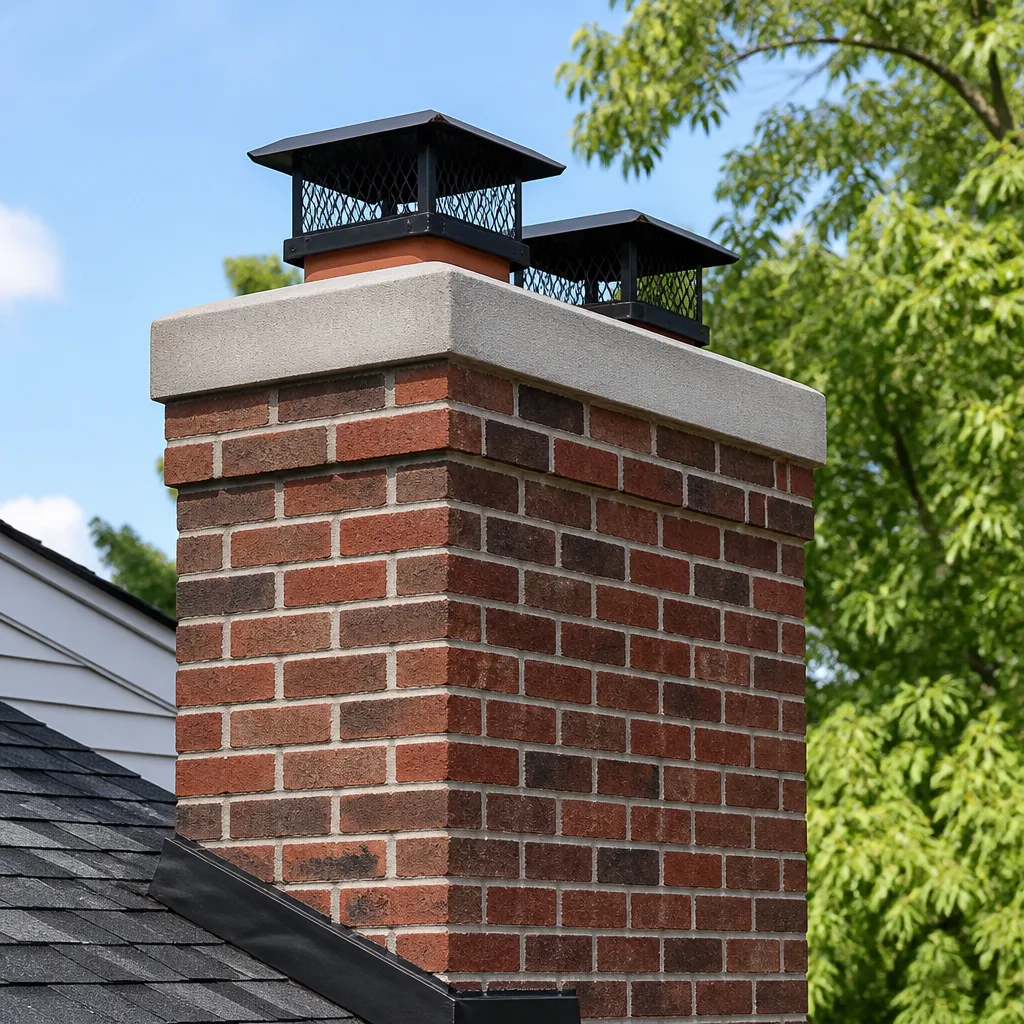 Caps & crowns
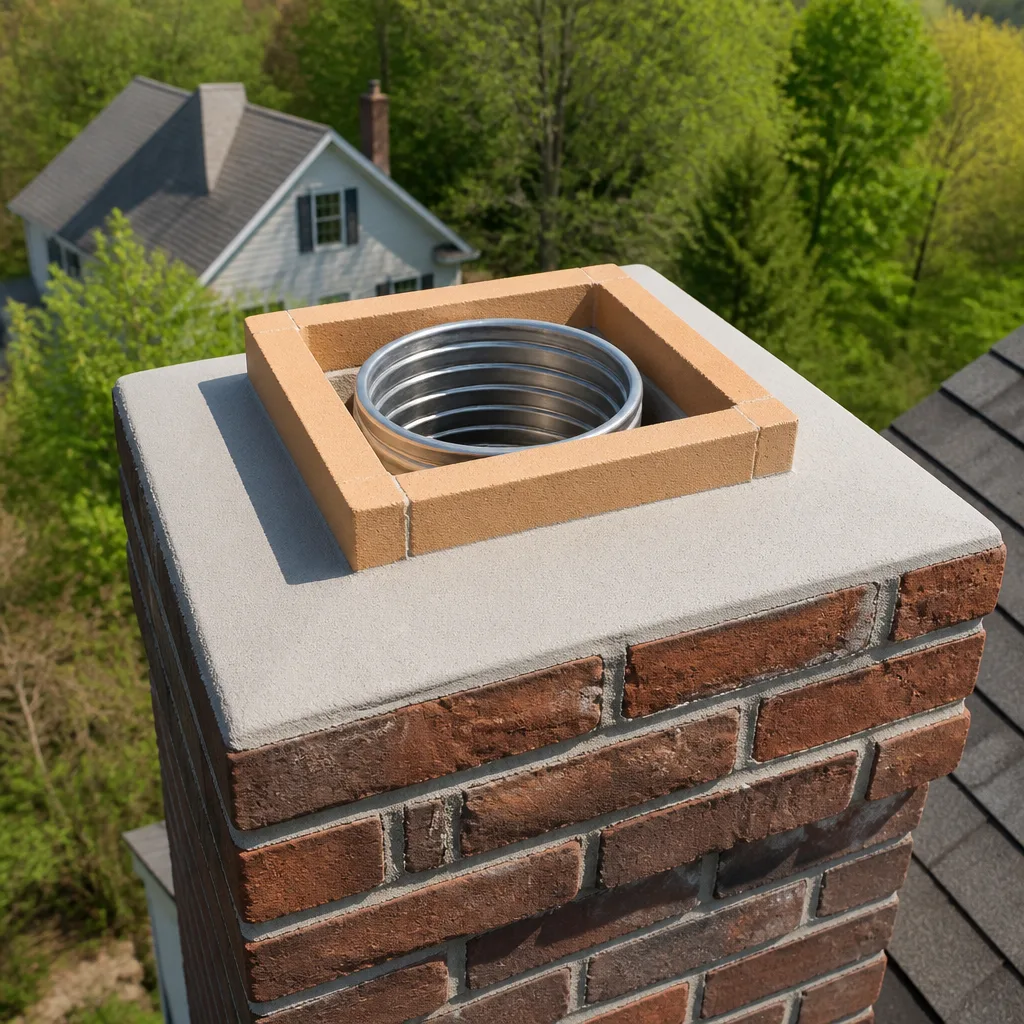 Flue relining
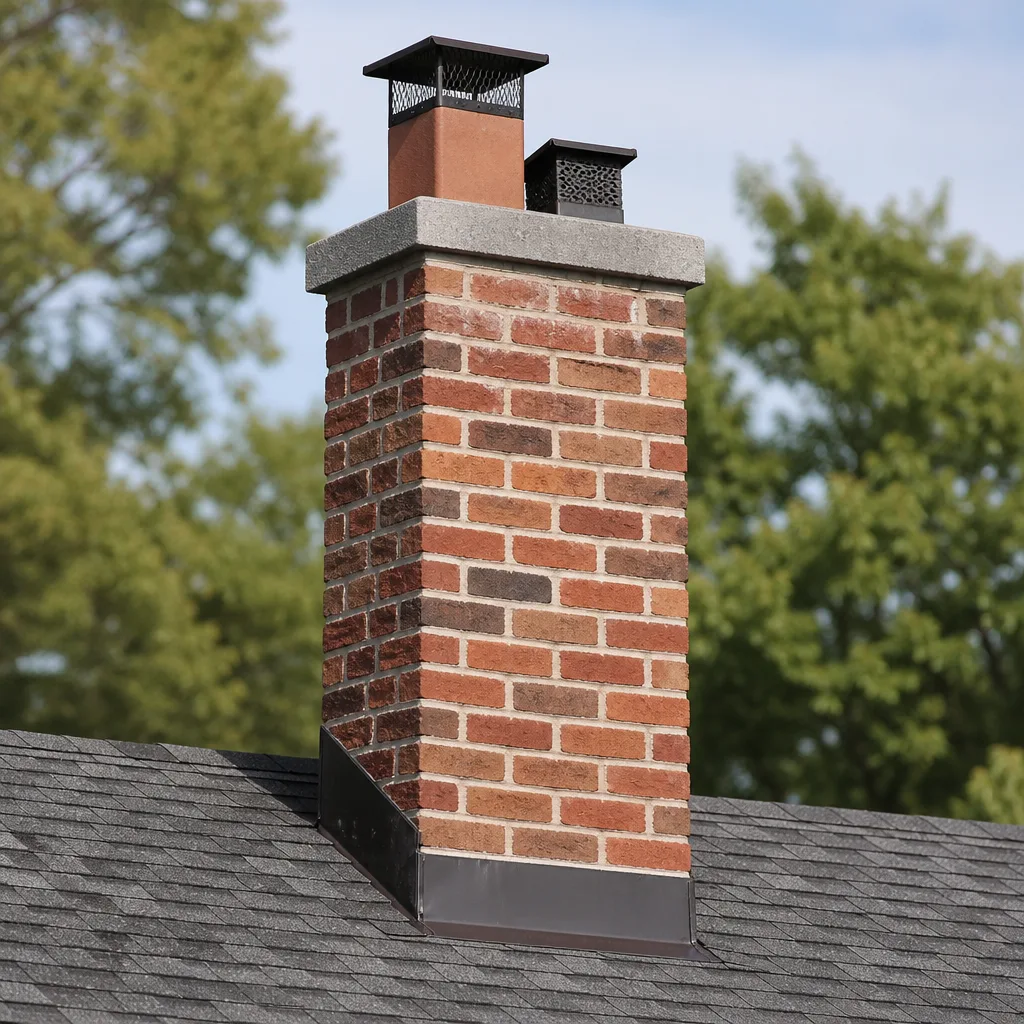 Masonry repair
 Gas fireplace service
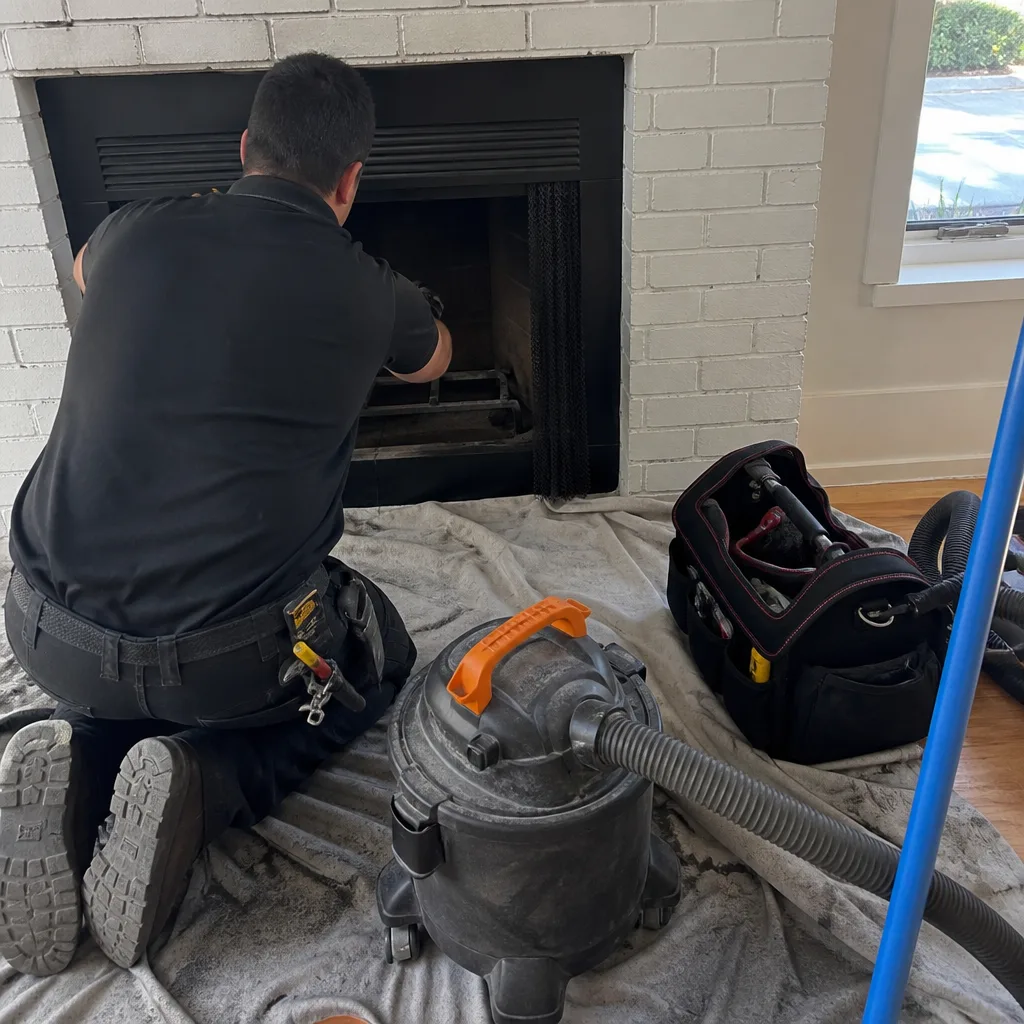
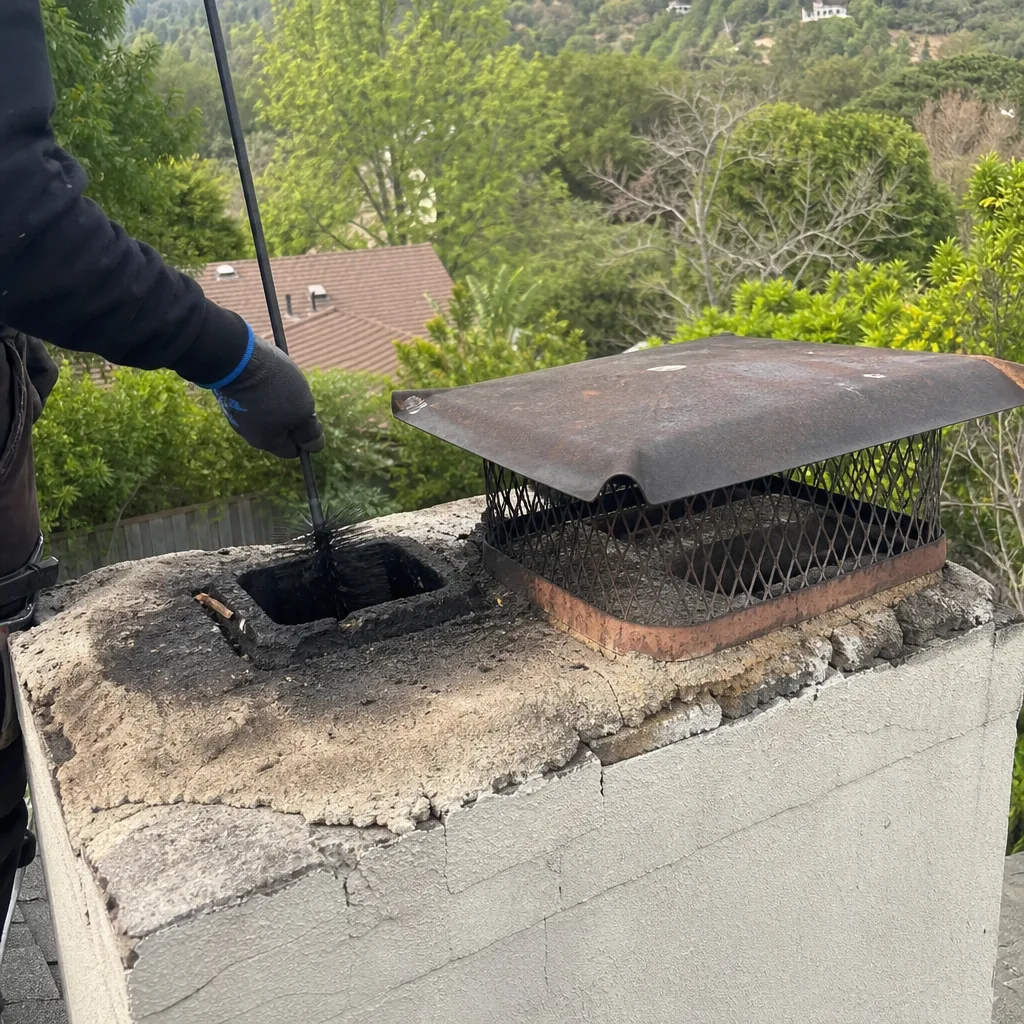
Level 1 sweep and inspection to the NFPA 211 annual standard - flue, crown, cap, and flashing checked and photographed
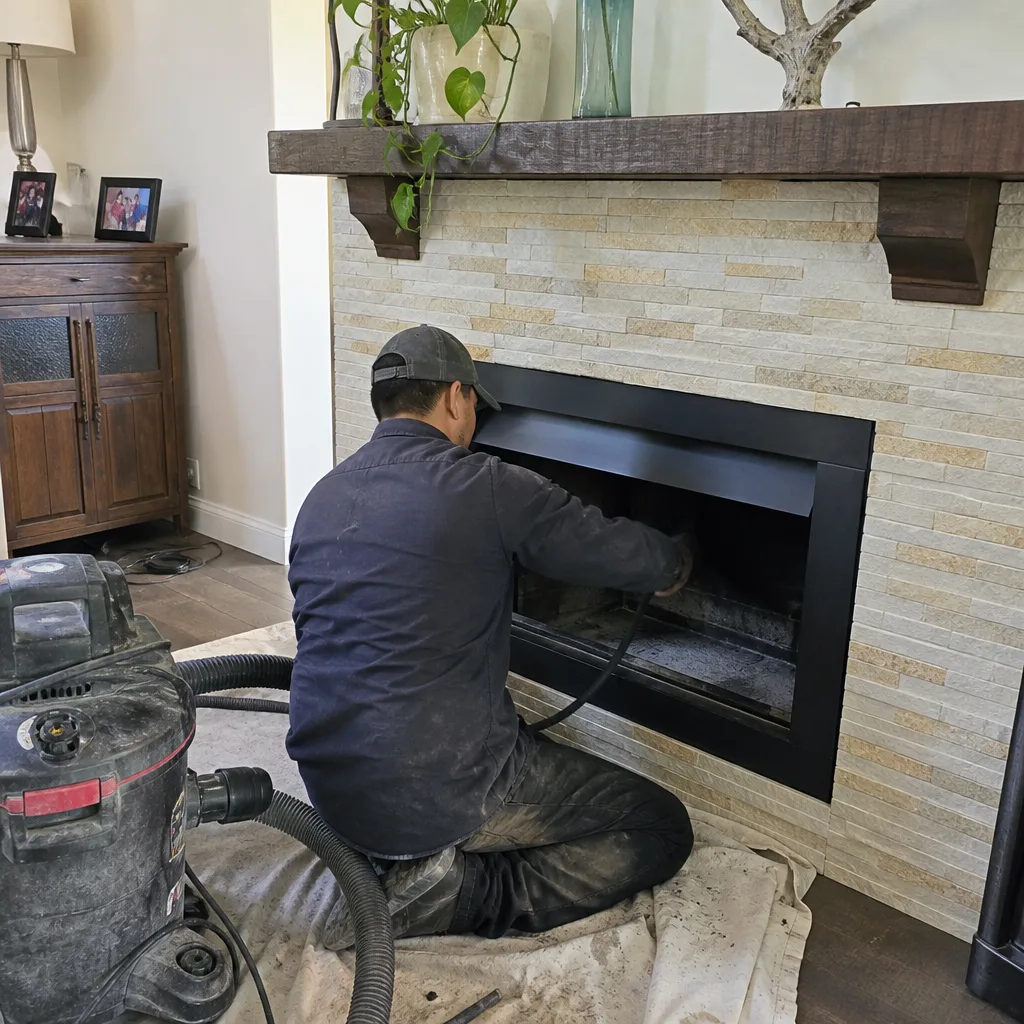
Chimney sweep logs do not sweep chimneys. They loosen some creosote - which then falls where a brush and vacuum still have to collect it.
Chimney Cleaning Permits, Codes & Inspections in CA: What You Need to Know
Here’s the reality most Almaden homeowners discover too late: the chimney cleaning visit you booked for $189 can turn into a $9,000 repair conversation before the technician even climbs down from the roof. California is one of the strictest states in the nation for fireplace and venting regulation, yet the most important code requirements aren’t in the California Building Code at all. They’re buried in Title 24 energy provisions, local Santa Clara County fire ordinances, and NFPA 211, a national fire-safety standard that California has adopted wholesale. When a contractor tells you a liner replacement is “required by code,” you deserve to know exactly which code, what it says, and whether it actually applies to your 40-year-old masonry fireplace or only to new construction. This guide, along with our Chimney Cleaning Warning Signs: An Almaden Homeowner’s Reference Guide, untangles the permit requirements, inspection triggers, and documentation trail for chimney work in Almaden, CA, so you can make informed decisions without getting talked into work you don’t need.
Styles & brands we work with
- Sweep & inspection
- Caps & crowns
- Flue relining
- Masonry repair
- Gas fireplace service
Quick Answer
Routine chimney sweeping and cleaning do not require a permit anywhere in California, including Almaden and greater Santa Clara County. However, structural repairs (crown rebuilding, firebox repair, liner replacement), any change to the flue or venting system, and work involving gas appliance connections typically triggers a building permit or at minimum a local fire marshal review. When a chimney professional references “code” during a repair recommendation, NFPA 211 and Chapter 8 of the California Residential Code are the two documents most commonly cited for existing wood-burning fireplaces, while Title 24 energy standards apply primarily to new installations and major remodels. For a practical breakdown of what to track, see our Chimney Sweep Maintenance Checklist for Almaden Homeowners.
Table of Contents
- Which Chimney Services Are Permit-Exempt in Santa Clara County
- Which Chimney Repairs Trigger a Building Permit in Almaden
- NFPA 211 vs. California Building Code: How They Interact
- Level 2 Inspections: When California Law Requires Them
- Almaden HOA Rules That Restrict Chimney Work
- The Documentation Trail: What Your Insurance Company Will Ask For After a Fire
- Title 24 Energy Code: What Actually Applies to Existing Fireplaces
- What to Expect During a Permitted Chimney Repair: Step-by-Step
- Common Mistakes to Avoid
- When to Call a Professional
- Frequently Asked Questions
- The Bottom Line
Which Chimney Services Are Permit-Exempt in Santa Clara County
Routine chimney sweeping is classified as maintenance, not construction. Under the California Residential Code (CRC) and Santa Clara County’s local amendments, cleaning the interior of a flue, removing creosote buildup, and performing a visual inspection with a camera do not require a building permit. This holds true whether you own a wood-burning fireplace in Almaden’s older ranch homes near Almaden Lake or a newer gas fireplace in the developments off McKean Road.
What’s also exempt, somewhat surprisingly, is minor component replacement that restores a chimney to its original configuration. Replacing a damaged chimney cap with a same-size, same-material cap typically falls into this category. Replacing a worn damper plate, repointing a few loose bricks at the top of the chimney, and installing a standard spark arrestor generally don’t trigger a permit review either. The key test Santa Clara County inspectors apply is this: did the work change the structure, alter the flue dimensions, modify the venting pathway, or connect a new appliance? If the answer is no, you’re in maintenance territory.
In our experience working with Chimney Sweep Almaden home customers across the 95120 and 95123 zip codes, the confusion usually arises when a sweep finds damage during a routine cleaning. The cleaning itself remains permit-exempt, but the recommended repair might not be. We always flag that moment explicitly: “This portion is maintenance. That portion is structural.” It’s a distinction that saves homeowners from unpleasant surprises during a future home sale or insurance review.
Dryer vent cleaning, which is part of the same fire-safety umbrella in our service scope, is likewise permit-exempt throughout California. It falls under appliance maintenance rather than construction, even though the lint buildup in a dryer vent is one of the most common residential fire ignition sources in the state, according to NFPA data.
What “Permit-Exempt” Does Not Mean
Permit-exempt does not mean unregulated. Even a simple sweep must be performed to the standard described in NFPA 211, which specifies how thoroughly creosote and soot must be removed from the flue walls, the smoke chamber, and the firebox. A chimney that has been “swept” but still has 1/4-inch or more of creosote glaze on the flue walls has not been cleaned to code. That distinction matters if a fire occurs and your insurance company requests proof of professional maintenance.
Permit-exempt also does not mean you can skip documentation. We’ll cover the paperwork trail later in this guide, but the short version: keep a dated invoice that describes exactly what was done, what was found, and what was recommended. That single piece of paper is worth more than any permit during an insurance claim.
Which Chimney Repairs Trigger a Building Permit in Almaden
The line between maintenance and construction is clearly drawn in the California Residential Code, but most homeowners never see it until a repair is on the table. Here’s what actually triggers a permit review in Almaden and the rest of Santa Clara County:
- Flue liner replacement or installation. Replacing a clay tile liner, installing a stainless steel liner system like DuraFlex, or applying a resurfacing product such as HeatShield all change the flue’s original dimensions or material composition. These require a permit because a liner failure is a fire-safety event waiting to happen, and the local building department wants to verify the specification before it’s hidden behind masonry.
- Crown rebuilding. A cracked or spalled chimney crown lets water into the chase, which leads to freeze-thaw damage in Almaden’s winter months. Rebuilding it is a structural repair, even though it sounds cosmetic.
- Firebox reconstruction. If the brick or refractory panels inside the fireplace itself are crumbling, that’s a permit-triggering repair. The firebox is the last line of defense between open flame and the wood framing of your home.
- Masonry rebuild above the roofline. Any time more than a few bricks are removed and reset, or a section of the chimney stack is dismantled and rebuilt, the structural integrity of the chimney is being altered.
- Adding or moving a gas appliance connection. Connecting a new gas fireplace insert, gas log set, or changing the venting configuration for a gas appliance requires both a building and, in most cases, a mechanical permit. This is where Title 24 energy requirements also start to apply.
Here’s the nuance most guides miss: the permit is typically pulled by the contractor, not the homeowner, and the permit record lives with the property address permanently. When you sell the home, the buyer’s inspector may pull the permit history from Santa Clara County’s online database. If a structural chimney repair was done without a permit, that’s a disclosure problem that can affect the sale price or even kill a deal. If you’re buying a home in Almaden that had chimney work done in the past decade, you can request the permit history yourself through the county’s building department.
NFPA 211 vs. California Building Code: How They Interact
NFPA 211 is the national standard for chimneys, fireplaces, vents, and solid-fuel-burning appliances. It’s published by the National Fire Protection Association and updated every few years. The California Building Code, specifically Chapter 8 (Interior Finishes) and Chapter 10 (Chimneys and Fireplaces), contains its own requirements that often reference NFPA 211 directly or reproduce its language. In practice, when a contractor in Almaden cites “code” for a repair recommendation, they’re usually citing NFPA 211 criteria that California has adopted or that the local fire marshal enforces.
The practical differences matter. For example, NFPA 211 specifies that a masonry chimney liner must be continuous, free of cracks or gaps, and sized correctly for the appliance it serves. The California Building Code adds energy-efficiency requirements under Title 24 for any new fireplace or major remodel. But for an existing fireplace in a 1980s Almaden ranch home, the relevant standard is almost always NFPA 211’s condition criteria, not the newer construction standards.
Key NFPA 211 Requirements That Affect Existing Chimneys
- Creosote deposition limits. NFPA 211 states that a chimney should be cleaned before creosote accumulation reaches 1/8 inch on the flue walls. This is tighter than most homeowners realize. A visible soot layer is a maintenance item; a glaze layer is a fire hazard.
- Clearance to combustibles. Wood framing must be at least 2 inches away from a masonry chimney’s exterior unless the chimney was built with a UL-listed clearance reduction system. Many older Almaden homes, especially those built before 1990, have framing that’s closer than this, which is why a Level 2 inspection (more on this below) is so important during a sale.
- Liner material compatibility. If you’re running a gas appliance through a flue originally built for wood, the liner material must be rated for the combustion byproducts of that fuel. Stainless steel systems like DuraFlex are specified because they handle both gas and wood exhaust and resist the corrosive acids produced by gas combustion.
What we’ve seen repeatedly in Almaden is a contractor citing “NFPA 211 clearance violation” as justification for a full rebuild, when the actual fix under the code’s own language is a clearance reduction system or a properly installed liner. You should know which provision is being cited and whether the proposed scope matches the actual deficiency. If a contractor can’t or won’t explain the specific section of the standard they’re referencing, get a second opinion. We explain the why behind every repair recommendation, including which standard drives it, because informed homeowners make better decisions and don’t feel like they’re being sold work on a scare basis. For help diagnosing issues yourself, check our Chimney Sweep Troubleshooting: Common Problems and How to Fix Them.
Level 2 Inspections: When California Law Requires Them
Chimney inspections come in three levels under NFPA 211. A Level 1 inspection is the routine visual check performed during a standard sweep. A Level 2 inspection, which includes video scanning of the entire flue interior, is required in specific circumstances. A Level 3 inspection involves partial demolition and is only done when Level 2 findings indicate hidden damage.
Here’s what triggers a legally required Level 2 inspection in California:
- Transfer of property. When a home in Almaden changes ownership, California’s adoption of NFPA 211 requires a Level 2 inspection of any existing chimney serving a solid-fuel or gas appliance. This isn’t optional, and many real estate transactions now hinge on it. A Level 2 inspection at sale is the only way a buyer can determine whether a chimney passed to them in working, safe condition.
- Any change to the firing system. Switching from wood to gas logs, installing a new insert, or modifying the fuel type of an existing appliance triggers a Level 2 inspection before the change goes live.
- After a chimney fire or building fire. Even a small chimney fire that you thought you contained can cause hairline cracks in the flue liner that are invisible from the top or the firebox. A Level 2 inspection is the only way to verify the flue is intact after a fire event.
- After an external event. Earthquakes are a real concern in Santa Clara County. A chimney that sustained a seismic event, even if the visible exterior looks fine, should get a Level 2 inspection because internal liner shifts are common and dangerous.
- Before a relining or resurfacing project. A Level 2 inspection is the diagnostic step before a HeatShield application or a liner installation. You can’t properly spec a repair without knowing the full condition of the flue from top to bottom.
The Level 2 inspection is not the same as a sweep. It’s a diagnostic procedure that documents the condition of every part of the flue, the smoke chamber, the throat, and often the exterior chase. If you’re buying a home in Almaden and the seller provides only a sweeping receipt but no Level 2 inspection report at the time of transfer, you’re missing the piece that actually predicts whether the chimney is safe to operate. Sellers who’ve had professional maintenance, including the type we provide in Downtown San Jose, are generally in a much stronger disclosure position than those who haven’t.
Almaden HOA Rules That Restrict Chimney Work
Here’s a layer of regulation most chimney guides completely ignore: the HOA. Almaden has a dense concentration of planned communities, especially in the areas around Coleman Road, Redmond Avenue, and the Country Club corridor. Many of these neighborhoods have covenants, conditions, and restrictions (CC&Rs) that can limit what you do to your chimney, even if the work is entirely permit-exempt at the county level.
The most common restrictions we see in Almaden HOAs include:
- Chimney cap type and style. Some HOAs require all exterior appendages to match a specific finish or color. A stainless steel cap from Copperfield might be technically fine, but if the CC&Rs call for a black powder-coat finish, you need to spec it accordingly.
- Exterior modifications above the roofline. Anything visible from the street, including a rebuilt chimney crown or a changed cap profile, may require architectural review committee approval before the work begins.
- Wood-burning restrictions. Several Almaden developments have voluntarily restricted wood-burning fireplaces as part of air-quality covenants, even though Santa Clara County’s air district allows them on most days. Check your CC&Rs before you invest in a wood-burning fireplace restoration.
- Chimney height and chase alterations. If your repair involves extending the flue or changing the chase structure, the HOA’s design review process is often mandatory even when the building department couldn’t care less.
The practical rule is simple: before any chimney work above the roofline, pull your HOA documents and check for architectural review requirements. The permit you may not need at city level might still be required at neighborhood level. We’ve seen deals in Almaden go sideways because a new cap was installed, the HOA objected, and the homeowner had to redo the work at their own expense. A 20-minute document check prevents that.
The Documentation Trail: What Your Insurance Company Will Ask For After a Fire
Insurers don’t deny chimney fire claims because the fire happened. They deny them because the homeowner can’t demonstrate that the chimney was properly maintained. This is the part of chimney ownership that almost no one thinks about until it’s too late, and it’s the reason we’re pointed about documentation with every customer in Almaden.
If you file a claim for a chimney fire or the smoke damage that results, here’s what an insurance adjuster will typically request:
- Proof of professional chimney maintenance. A dated invoice from a chimney service business showing a sweep or inspection within the past 12 to 24 months. The invoice should describe the scope of work specifically, not just say “chimney service.”
- Inspection findings. Any Level 1 or Level 2 inspection report that documents the condition of the flue at the time of service. If the report noted a deficiency and you didn’t address it, that’s a problem for the claim.
- Repair records. If work was done on the liner, crown, or firebox, the adjuster will want to see the permit, the contractor’s invoice, and the material specifications. A note that says “liner replaced” with no detail is weak. A note that says “installed 316L stainless steel liner system, DuraFlex, with signed inspection by Santa Clara County building department” is strong.
- Fuel source records. If you burned anything other than seasoned cordwood or the fuel type specified for your appliance, that can affect the claim. Stick to the fuel your chimney and appliance are rated for.
- CA real estate disclosure form (if recently purchased). If you bought the home within the past few years and the chimney condition was disclosed, the adjuster may review the disclosure documents to see if any prior owner flagged the chimney.
The pattern here is simple: homeowners who can produce a maintenance trail almost always have smoother claims. Homeowners who can’t are in a negotiation, not a claim process. We tell every client the same thing: keep the invoice. Keep the inspection report. Scan them to your phone. You hope to never need them, and if you do, they’re worth more than the sweep cost a hundred times over.
Title 24 Energy Code: What Actually Applies to Existing Fireplaces
California’s Title 24 energy standards are some of the most stringent in the country, and they’re where the most misinformation circulates in the chimney trade. Let’s be precise about what Title 24 does and does not affect.
Title 24 applies to new construction, additions, and major renovations. For new homes built in Almaden, any fireplace installed must meet Title 24 energy efficiency requirements, which effectively means direct-vent gas fireplaces with sealed combustion systems. Wood-burning open-hearth fireplaces have been essentially written out of new construction in California because they fail the energy performance standards.
What Title 24 does not do is require you to rip out an existing wood-burning fireplace in your Almaden home. An existing masonry fireplace is grandfathered unless you perform a major remodel that triggers a full Title 24 review of the structure. Replacing a liner, rebuilding a crown, or sweeping the flue does not bring Title 24 into play.
The gray area is the gas insert. If you’re installing a gas insert into an existing masonry fireplace, Title 24 energy standards may apply to the insert’s efficiency rating, but not to the existing chimney structure. Direct-vent gas inserts with sealed combustion systems are the only type that should be installed in a California masonry fireplace anyway, because they eliminate the flue-draft issues that plague older chimneys.
So when a contractor tells you your chimney needs work “because of Title 24,” ask whether they’re referring to a requirement for the existing structure or a requirement that would only apply if you were doing a remodel. The answer often reveals whether you’re talking to someone who understands the code or someone who uses “Title 24” as a catch-all justification. Our position at Chimney Repair in Downtown San Jose is straightforward: we cite the specific standard, the specific provision, and the specific work it requires. If we can’t do that, it’s not a recommendation you should feel pressured to accept.
What to Expect During a Permitted Chimney Repair: Step-by-Step
If your chimney inspection identifies work that requires a permit, here’s the process in Almaden from start to finish. Understanding it removes the fear of the unknown and helps you spot a contractor who skips steps.
- Diagnostic inspection. Before any permit can be pulled, the work must be scoped. A Level 2 camera inspection identifies the exact deficiency: a cracked liner, spalled crown, compromised smoke chamber, or clearance violation. The inspection report serves as the basis for the permit application.
- Material specification. The permit application must list what materials will be used. For a relining project, that means specifying the liner system: a flexible stainless steel system like DuraFlex for most masonry chimneys. For a smoke chamber repair, the application would note that a parging material or a resurfacing product like HeatShield will be applied. The spec matters because the building department reviews it against code requirements.
- Permit application and review. The contractor submits the application to the Santa Clara County building department, usually online. Review time for a straightforward chimney repair in Almaden is typically 1 to 2 weeks. The permit fee is usually a few hundred dollars, folded into the contractor’s quoted price.
- HOA approval (if applicable). Concurrent with the building permit, any architectural review required by the HOA should be initiated. This can add another 1 to 4 weeks depending on how often the review committee meets.
- Work execution. Once permits are issued, the repair work proceeds. A liner installation typically takes one day. A crown rebuild or firebox reconstruction might take two or three days. The work must be done to the specifications on the permit.
- Final inspection. After the work is complete, the county inspector returns to verify that what was built matches what was permitted. This is the step that dishonest contractors skip, and it’s the step that matters for your future resale. A closed permit with a pass inspection is the document you want in your file.
- Documentation handoff. You receive the final inspection sign-off, the permit record, the material warranty, and a written report describing the completed work. This entire packet is what you show a future buyer and what you’d show an insurance adjuster after a claim.
The entire process, including permit review and inspection, typically takes 3 to 6 weeks in Almaden. If a contractor tells you a structural repair can be done “no permit needed, it’s quicker that way,” walk. The permit isn’t bureaucracy for its own sake. It’s the document that proves the work was done to a code standard, and its absence is a liability that follows the property.
Common Mistakes to Avoid
- Treating a sweep as a structural inspection. A routine sweep is a maintenance service, not a diagnostic evaluation of your flue liner, smoke chamber, or clearances. If you haven’t had a Level 2 inspection in years, especially in an older Almaden home, you may have hidden issues that a sweep won’t catch.
- Accepting “code says so” at face value. Ask which code, which section, and whether it applies to your existing structure or only to new construction. The difference matters enormously, and a contractor who can’t answer is one to lose.
- Skipping HOA review for above-roofline work. Even if Santa Clara County doesn’t require a permit, your Almaden neighborhood association may. Installing the wrong cap style or changing the chase profile without architectural approval can cost you the price of a redo.
- Burning anything other than seasoned cordwood in a wood fireplace. Construction lumber, paper products, cardboard, and trash produce combustion byproducts that damage liners and increase creosote deposition. A damaged liner from burning the wrong fuel is a preventable, expensive repair.
- Ignoring a cracked crown because it “looks small.” Hairline crown cracks in Almaden’s seasonal rain cycles become spalling, spalling becomes water intrusion, and water intrusion becomes a full chase rebuild. The $400 crown repair this year beats the $4,000 structural job in three years.
- Failing to keep maintenance records. The single most common insurance claim denial after a chimney fire is lack of documentation. A dated invoice with specific scope descriptions is your best protection.
- Assuming your dryer vent doesn’t need attention because your chimney was just cleaned. Dryer vents are a separate fire-safety system and a leading cause of residential fires nationally. Chimney work doesn’t address dryer vent lint buildup. We handle both specifically because they’re the two fire risks most likely to be ignored.
When to Call a Professional
Chimney safety is not a DIY project, and the line where professional help becomes necessary is earlier than most homeowners think. Call a specialist if you notice a strong smoke smell when the fireplace is in use even with the damper open, if you see white staining on the exterior brick (efflorescence, a sign of water penetration), if your fireplace has burned through a chimney fire or appears to be functioning differently after an earthquake, or if you’re buying or selling a home and don’t have a recent Level 2 inspection on file.
We also recommend a professional evaluation if you smell gas near a gas fireplace, if the damper is rusted in position, or if you see loose bricks, a leaning chimney stack, or daylight through cracks in the firebox. Chimney Sweep Almaden offers free estimates in Almaden, serving the surrounding neighborhoods from the Country Club corridor to the hills above Guadalupe Creek. Call (833) 593-6691 to schedule a visit.
Frequently Asked Questions
No. Routine chimney sweeping, visual inspections, and camera inspections are classified as maintenance activities and do not require a permit anywhere in California, including Almaden and Santa Clara County. Structural repairs, liner replacement, and gas appliance work are a different story and often do require a building permit.
A sweep removes creosote and soot from the flue. A Level 2 inspection uses a video camera to document the condition of the entire flue interior, the smoke chamber, and often the exterior chase. A Level 2 inspection is legally required when a home changes ownership in California, after a chimney fire, and before a relining or resurfacing project.
Not necessarily. Older masonry chimneys in Almaden homes are often unlined or have original clay tile liners that may be adequate if they’re in good condition and the fireplace is only used occasionally. The decision to reline should be based on a camera inspection finding actual cracks, gaps, or material degradation, not on the home’s age alone.
Keep a dated invoice describing the specific work performed, a copy of any inspection report, and photos or video stills from any camera inspection. These documents create a maintenance trail that can be critical during an insurance claim or a home sale. If repairs are recommended, keep the written recommendation too, even if you don’t proceed immediately.
Yes, technically a homeowner can pull a permit for work on their own primary residence. However, the permit application requires material specifications that assume some trade knowledge, and the final inspection must pass the same review as a contractor’s work. Most homeowners find that hiring a qualified professional who pulls the permit, schedules the inspection, and manages the entire process is the more practical route.
NFPA 211 recommends cleaning when creosote accumulation reaches 1/8 inch, which for a fireplace used weekly during the winter typically means an annual sweep. Homes that fire up the fireplace only occasionally can often go 18 to 24 months between sweeps. The camera inspection we include with a sweep is the best tool for knowing when the next cleaning is actually needed.
The Bottom Line
Chimney cleaning in California is permit-exempt, but the moment a sweep identifies structural damage, the regulatory picture shifts. Level 2 inspections are legally required at real estate transfer and after fire events. HOA covenants in Almaden add a neighborhood-level approval layer that county permits don’t cover. And the maintenance documentation you keep is the difference between a smooth insurance claim and a denied one. The best position to be in is one where you understand which code applies to your existing chimney, you’ve had a camera inspection that documents its actual condition, and you have a paper trail proving you’ve done the right maintenance at the right time. For questions about any of this, Chimney Sweep Almaden offers free estimates across Almaden and the surrounding area. Call (833) 593-6691 and we’ll take a look.
Written by the team at Chimney Sweep Almaden, serving Almaden since 2017. Explore more guides & resources on our blog.
See the difference
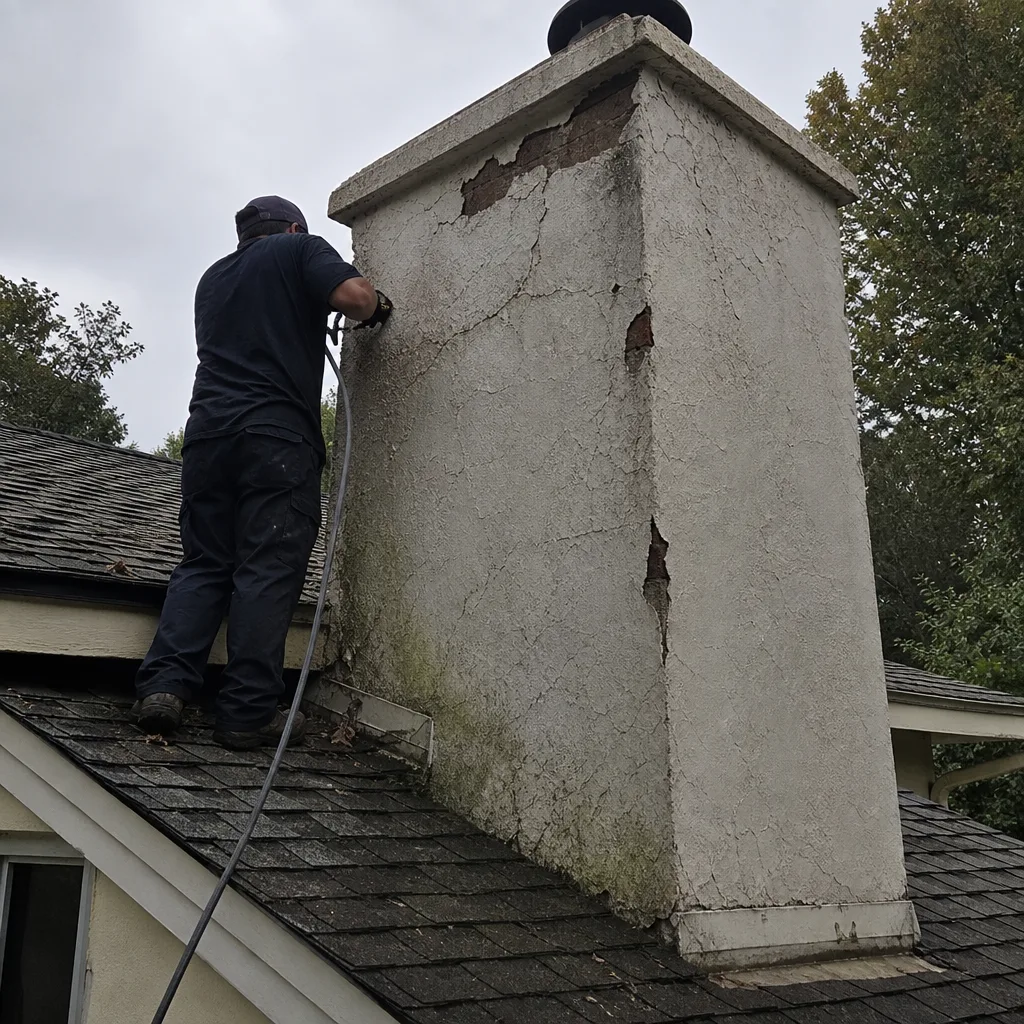 Before
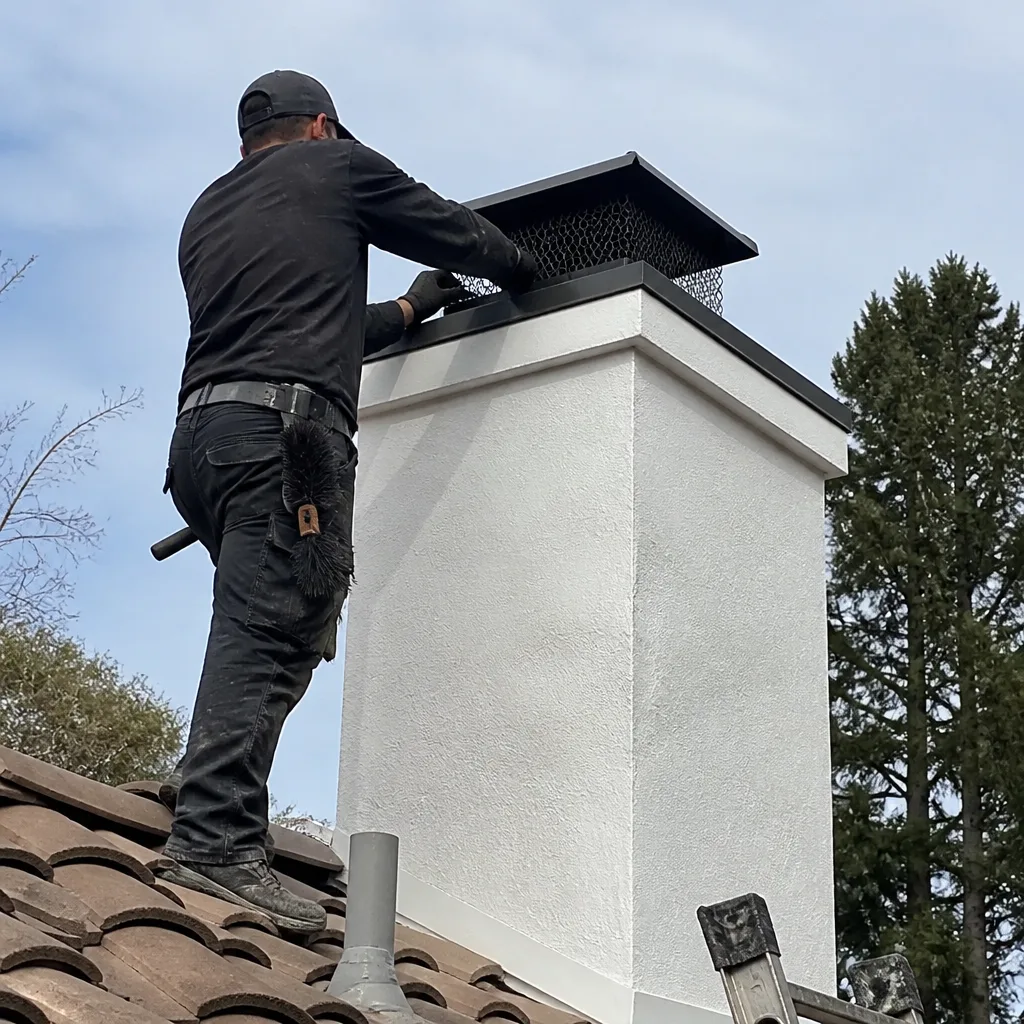 After
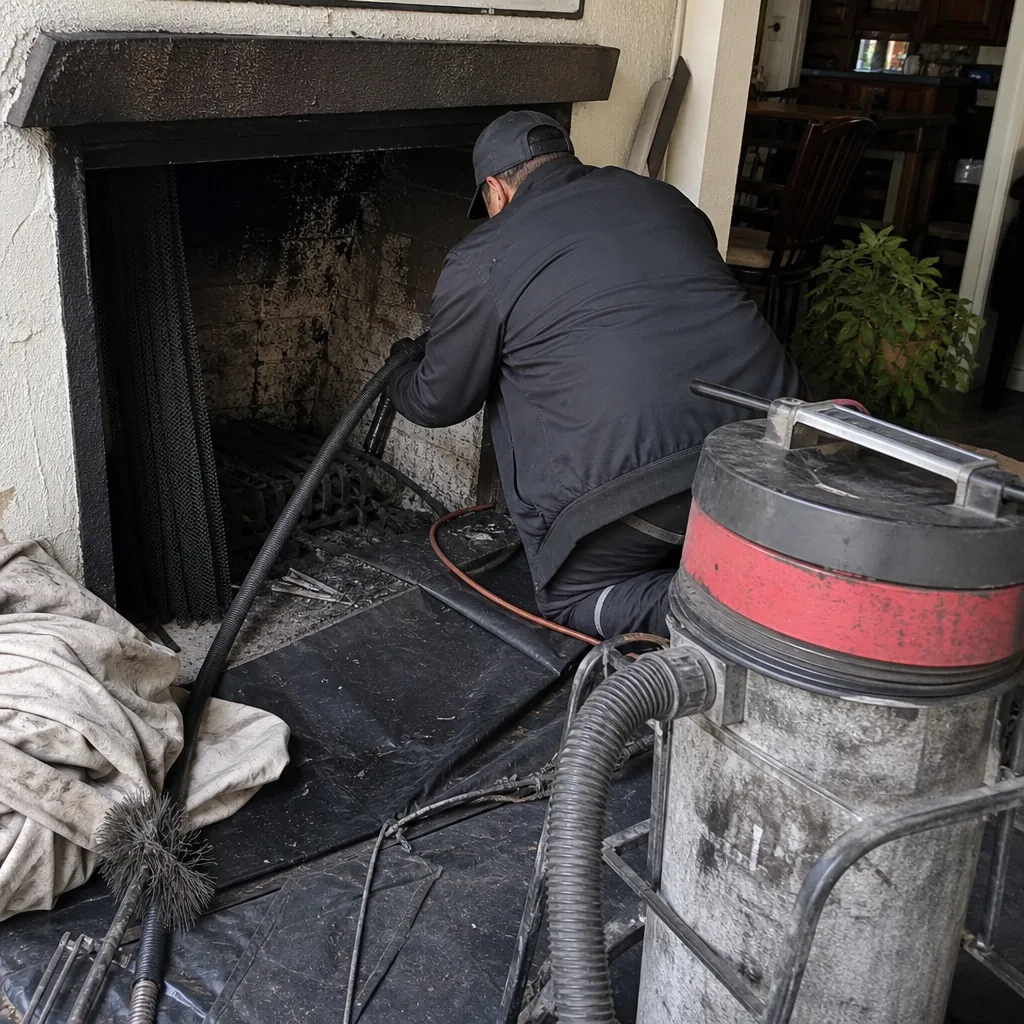 Before
 After
 Before
 After