
Last updated November 2, 2026
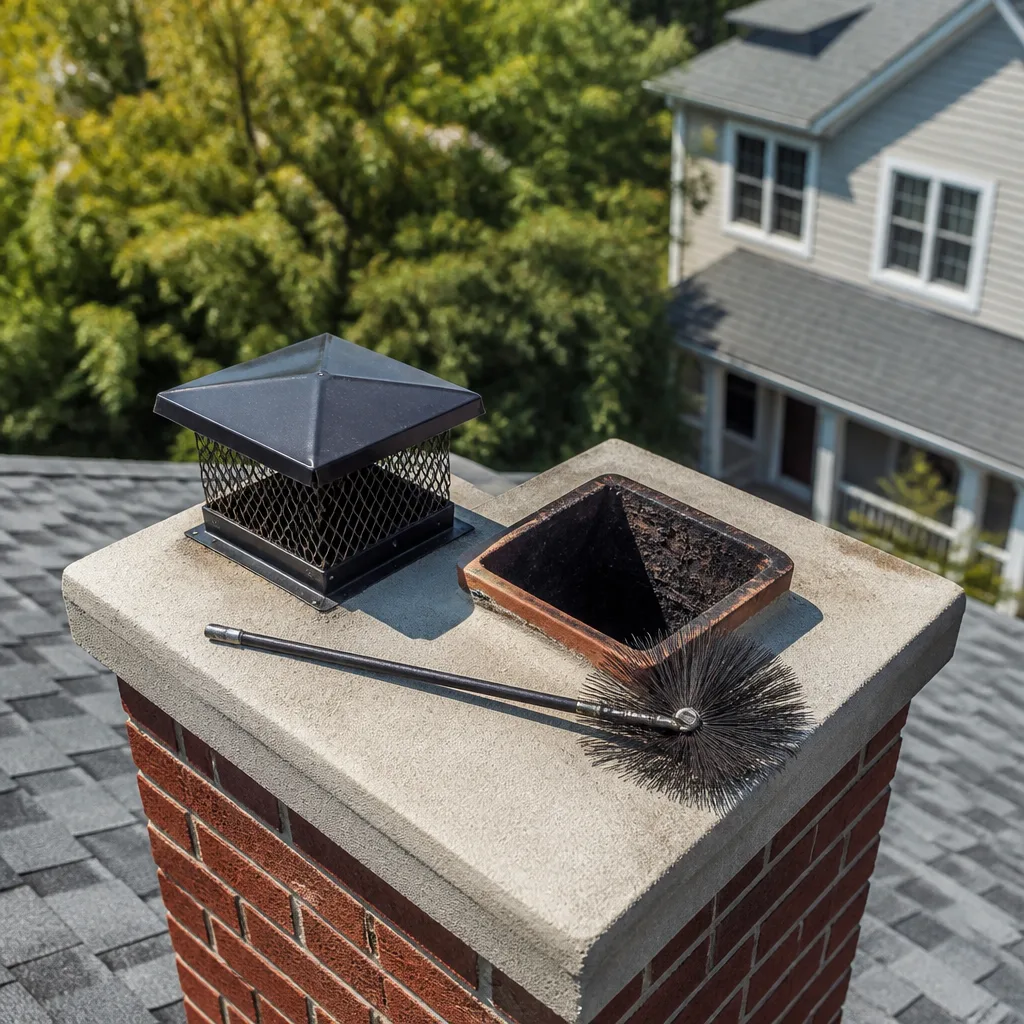 Sweep & inspection
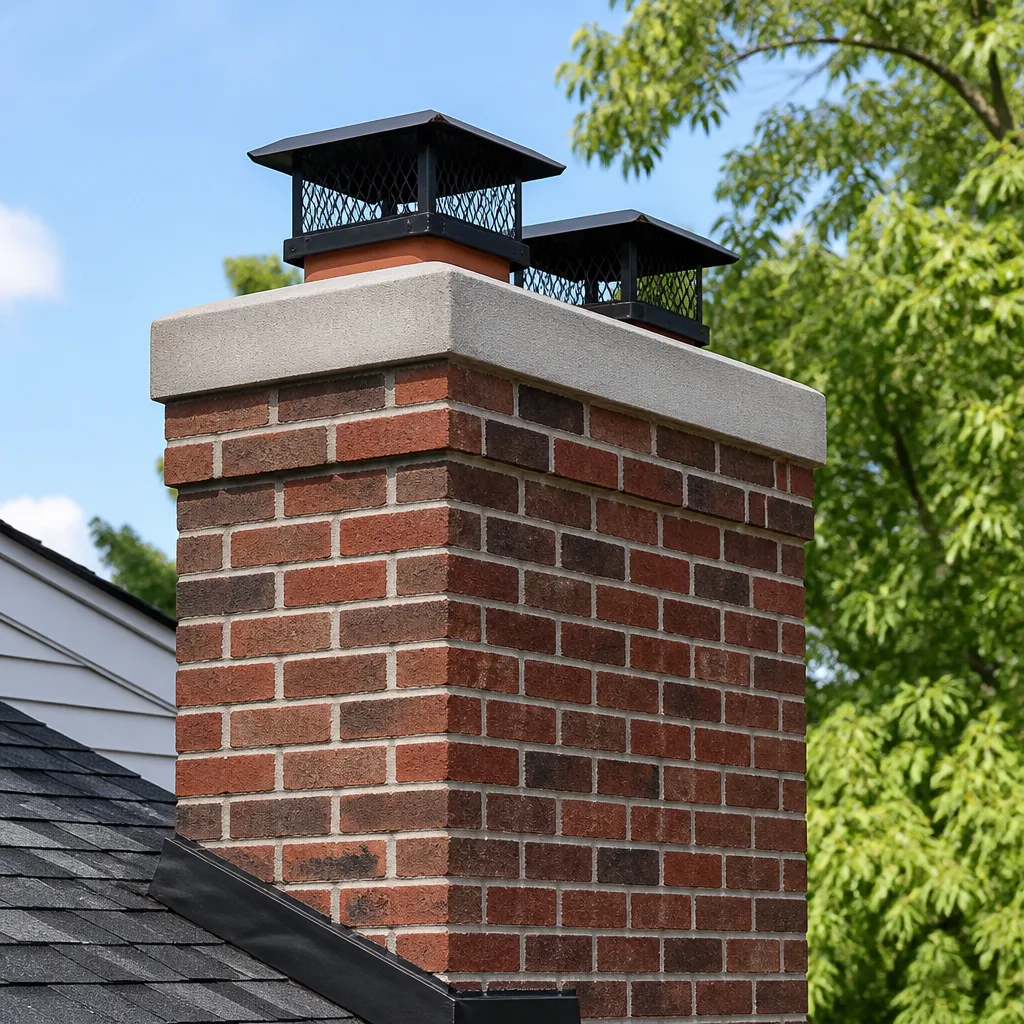 Caps & crowns
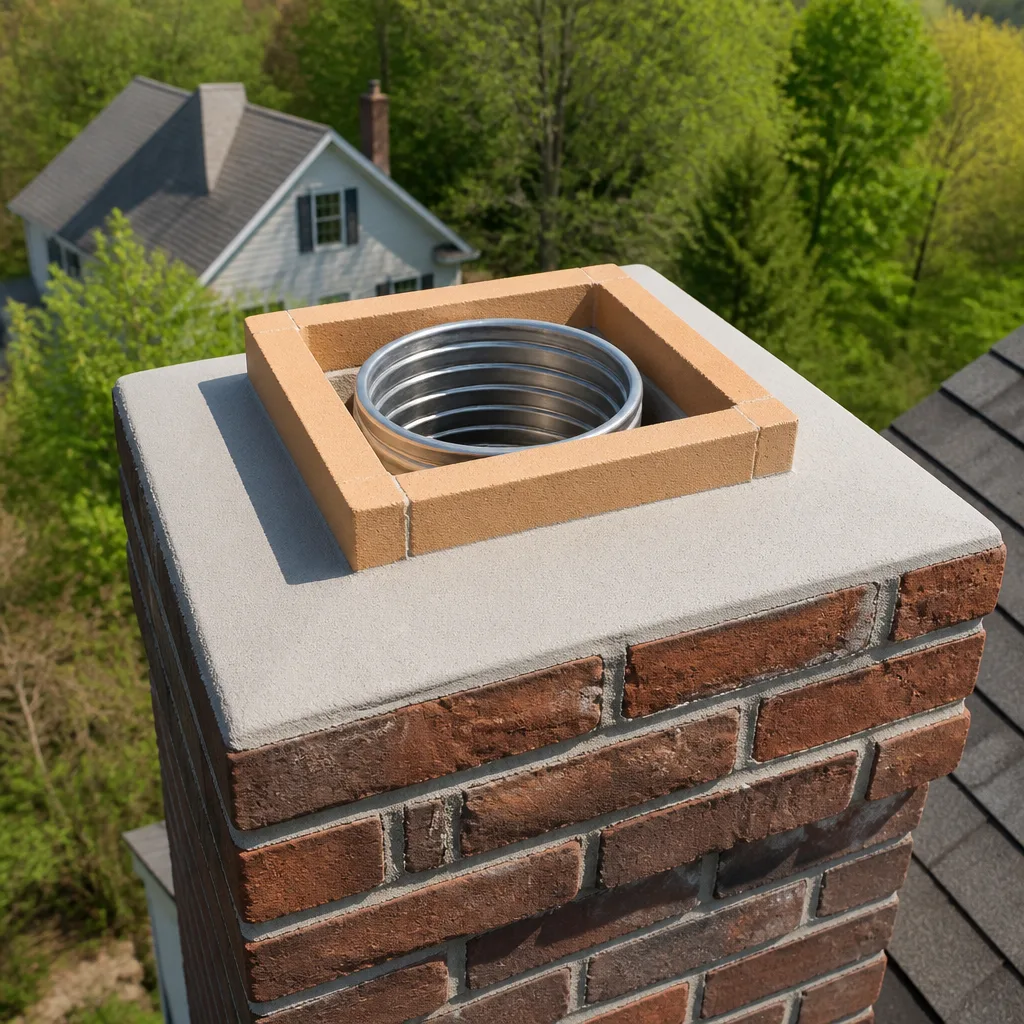 Flue relining
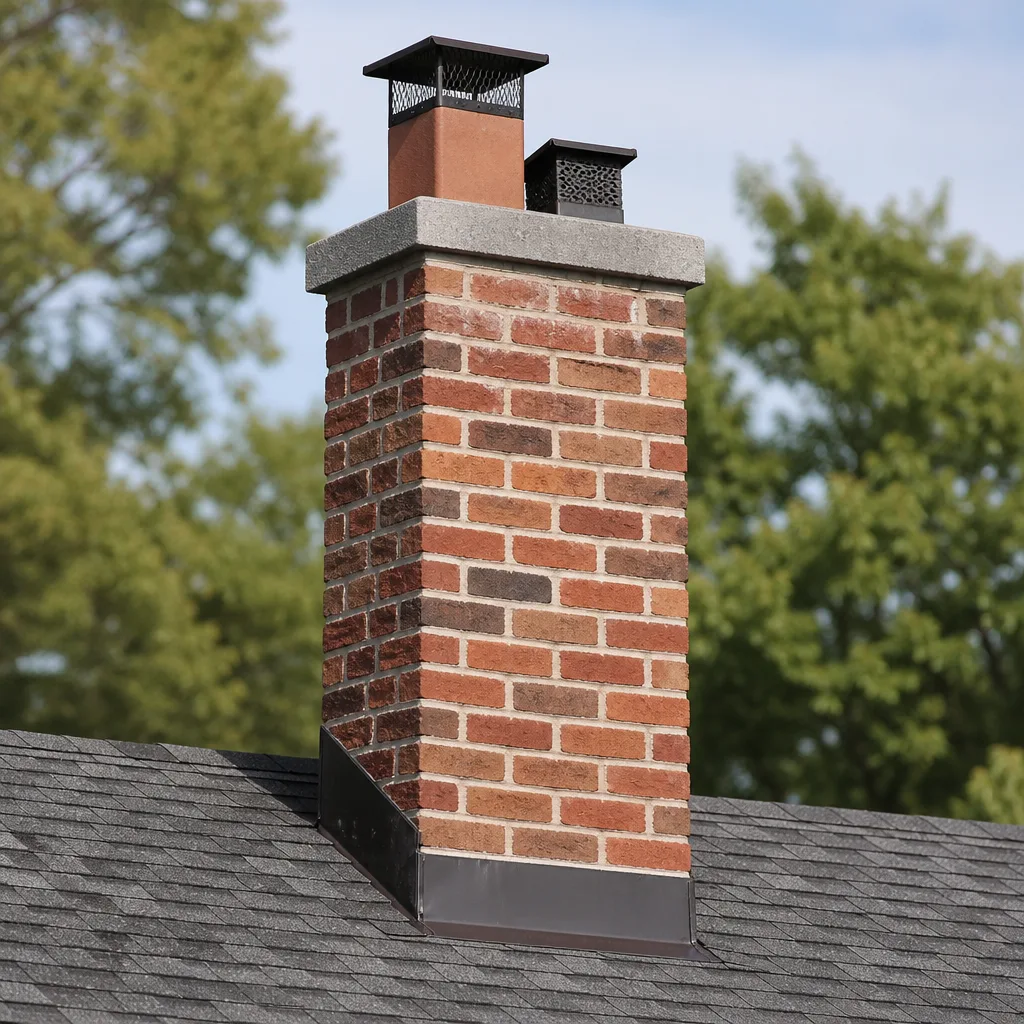 Masonry repair
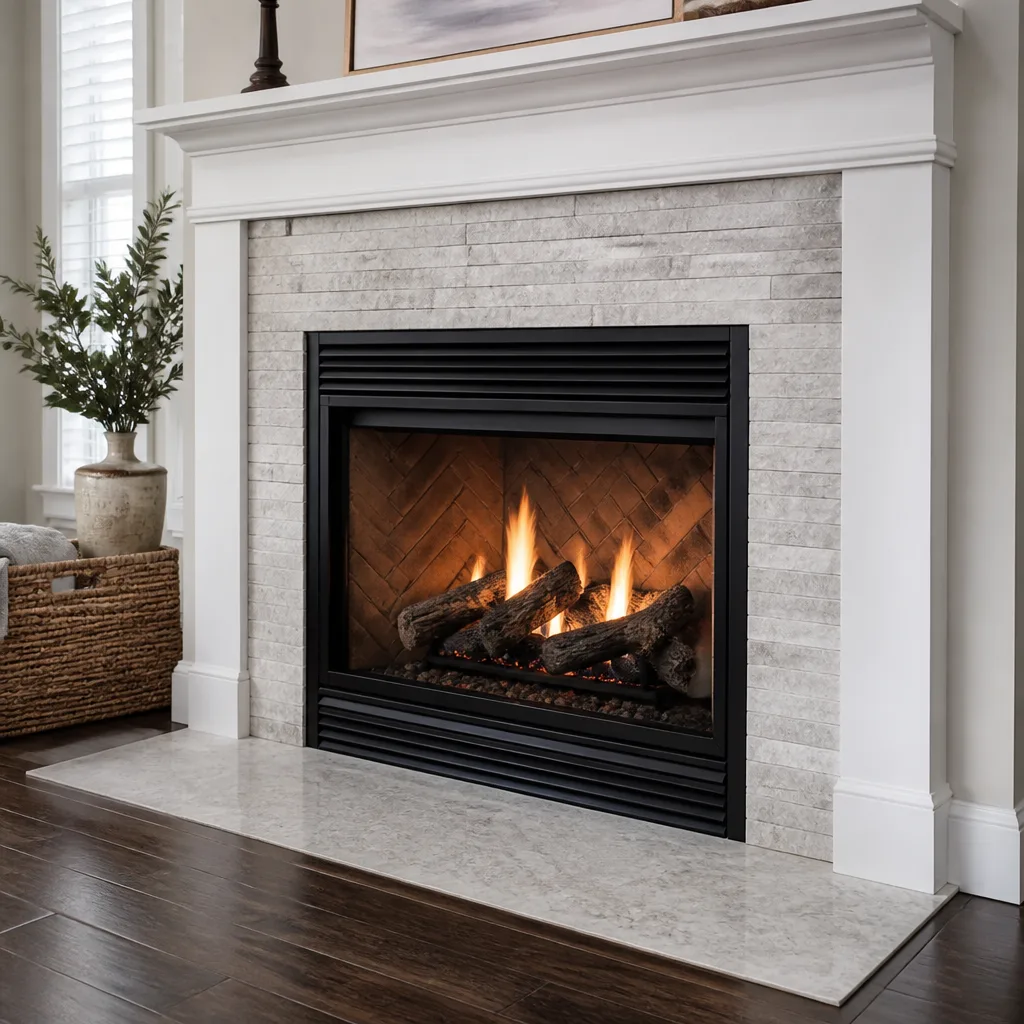 Gas fireplace service
Level 1 sweep and inspection to the NFPA 211 annual standard - flue, crown, cap, and flashing checked and photographed
Chimney sweep logs do not sweep chimneys. They loosen some creosote - which then falls where a brush and vacuum still have to collect it.
Chimney Sweep Troubleshooting: Common Problems and How to Fix Them
Here’s the thing most chimney troubleshooting guides won’t tell you: the single most common callback after a chimney cleaning isn’t poor workmanship. It’s a negative air pressure problem that no amount of cleaning will ever solve, and it’s caused by how the house itself is built. Tight-sealed windows, bathroom exhaust fans, and a furnace pulling combustion air all compete with your fireplace, and when the house wins, smoke comes into the living room. In Almaden, where homes range from 1970s builds with leaky envelopes to recent energy-efficient remodels, we see the same symptom with wildly different causes. This guide will teach you to read the symptom correctly so you stop throwing money at the wrong fix, and for more detail, see our The Complete Chimney Sweep Guide for Almaden Homeowners.
Quick Answer
The most common chimney problems fall into three categories: draft failure (smoke won’t rise because the house is starving the fire for air), downdraft (wind or cap issues push smoke back down), and creosote buildup (which ranges from brushable to structurally dangerous). Each requires a different fix, and mistaking one for another is why homeowners pay for repeat cleanings that don’t solve the problem. Call (833) 593-6691 if you’re seeing smoke spill into the room, smelling odors when the fireplace isn’t in use, or noticing flaky black deposits falling into the firebox.
Styles & brands we work with
- Sweep & inspection
- Caps & crowns
- Flue relining
- Masonry repair
- Gas fireplace service
Table of Contents
- Why Smoke Comes Into the House (And Why Cleaning Won’t Always Fix It)
- The Diagnostic Difference: Draft Failure vs. Downdraft vs. Backdraft
- Why Your Chimney Smells Like Campfire in May
- Creosote: Stage 1, Stage 2, and Stage 3 Explained
- Damper, Smoke Shelf, and Flue Geometry: The Hidden Bottlenecks
- The Overlooked Connection: Your Fireplace and Your Dryer Vent
- What to Monitor Safely vs. When to Call Before Lighting Another Fire
Why Smoke Comes Into the House (And Why Cleaning Won’t Always Fix It)
When smoke spills into the room, the instinct is to assume the chimney is dirty. Sometimes that’s right. Often it isn’t. We’ve walked into Almaden homes where the flue was professionally swept weeks earlier and the fireplace still smoked on every fire. The issue wasn’t soot. It was air.
A fireplace doesn’t create draft on its own. It relies on a pressure difference between inside the house and outside. Warm air rises, which should carry smoke up the flue, but if the house is tightly sealed, the fire can’t pull replacement air from anywhere. So it pulls from the chimney itself, which means smoke comes down instead of going up. This is called negative house pressure, and it’s the most underdiagnosed fireplace problem in modern homes.
The usual suspects:
- Kitchen range hoods running during a fire – a 400 CFM hood can overpower a fireplace in seconds.
- Bathroom exhaust fans left on – smaller effect, but combined with other mechanicals they add up.
- Furnace or water heater competing for combustion air – especially in sealed mechanical closets.
- Dryer running during a fire – it blows hundreds of CFM of conditioned air outside.
- New windows, weatherstripping, or insulation – upgrades that tighten the envelope and starve the chimney.
- Whole-house fans or attic ventilators – these can reverse chimney flow within minutes.
None of these have anything to do with how clean your chimney is. Which is why a homeowner can pay for a sweep in June, light a fire in November with the furnace running and the kitchen exhaust on, and immediately think the sweep did a bad job. The sweep didn’t. The house changed, or the mechanicals are fighting the fire.
In Almaden, we see this pattern constantly because so many homes have been through energy-efficiency retrofits. The original fireplace was designed for a leakier house. When the house tightened up, the fireplace started misbehaving. The fix ranges from cracking a window near the firebox to installing an outside-air kit, which gives the fireplace its own dedicated air source instead of relying on whatever the house can spare. If you’re experiencing smoke in the house, start with a call to a chimney professional who will check pressure dynamics before touching a brush. Our Chimney Sweep Almaden home page outlines how we approach diagnostics before cleaning.
The Diagnostic Difference: Draft Failure vs. Downdraft vs. Backdraft
These three terms get thrown around interchangeably, but they describe different failures with different fixes. Knowing which one you’re dealing with saves you from paying for the wrong repair.
Draft Failure (Pressure Problem)
A draft failure means smoke doesn’t rise with enough velocity to exit the chimney cleanly. The fire burns, heat is produced, but the smoke lingers or spills at the top of the firebox opening. This is almost always a house pressure issue, not a chimney cleanliness issue. Tight construction, competing exhaust appliances, or a chimney that’s too short for the roof line can all cause it. The fix is typically an outside-air kit, a taller flue extension, or a damper that seals more effectively.
Downdraft (Wind or Cap Problem)
Downdraft is when outside air pushes down the chimney with enough force to overcome the fire’s upward draft. The tell: smoke comes into the house in gusts, usually when wind hits the chimney from a certain direction. A missing or wrong-sized chimney cap is the most common culprit. Flue termination below the roofline or too close to a taller portion of the house can make it worse. Trees near the chimney create turbulence that mimics downdraft. The fix is usually a properly sized cap with a screen, and in stubborn cases, a wind-directional cap designed for the local prevailing wind pattern.
Backdraft (Appliance or Envelope Problem)
Backdraft is the most dangerous of the three. It happens when the chimney stops functioning as an exhaust and starts functioning as an intake. Cold air drops down the flue and carries combustion gases from the fireplace or a connected appliance back into the house. We see this most often with water heaters and furnaces that share the chimney. When all the appliances are off, the chimney cools, the air column reverses, and carbon monoxide can enter the house. This is a structural and serious safety issue, not a nuisance. If you ever smell exhaust or feel cold air pouring from your fireplace opening on a still day, close the damper, open a window, and call a professional.
The distinction matters because a cleaning fixes none of these. A sweep removes creosote. A draft failure needs an air source. A downdraft needs a cap. A backdraft needs a chimney inspection and possibly a liner. If you’re in Almaden and you’ve had the chimney cleaned but the symptom persists, one of these three is the reason. Our Chimney Repair in Downtown San Jose page explains how we diagnose pressure and draft issues before recommending any work.
Why Your Chimney Smells Like Campfire in May
Here’s a scenario we hear all the time in Almaden: the fireplace was fine all winter. The family used it regularly, the house smelled clean, no complaints. Then May arrives, the air conditioning comes on, and suddenly the living room smells like a campsite. The homeowner assumes the chimney is dirty. But the chimney hasn’t changed. The house has.
During winter, the house runs slightly warmer than the outdoors, which means the natural pressure gradient pushes air up and out of the chimney, even when no fire is burning. That upward flow carries the creosote smell (which is always present in a used chimney, even after a thorough sweep) up and out. The house stays fresh because the chimney is acting as a passive exhaust.
In summer, the dynamic reverses. The air conditioning drops the indoor temperature below the outdoor temperature. The air column inside the chimney cools and becomes denser than the outside air. The chimney switches from exhaust to intake. Now it’s pulling air down, through the firebox, and into the house. That air is carrying the accumulated creosote, soot, and old smoke residue directly into your living space.
This is a pressure reversal, not a cleaning problem. A sweep in June will reduce the smell temporarily (less creosote in the flue means less to smell), but it returns within weeks if the pressure dynamic doesn’t change. The actual fixes include:
- Install a top-sealing damper – it caps the flue at the top, blocking the downdraft path entirely.
- Resurface the flue with HeatShield – newer, smoother surfaces hold less odor-causing residue than old, porous clay tiles.
- Check the chimney cap and crown – gaps in the crown or a missing cap allow moisture, which amplifies odor in warm weather.
- Add a chimney fan – a small mechanical draft inducer that keeps air moving up even when the house is cool.
If the smell arrives exactly when the AC season starts, that’s your diagnostic clue. It’s not that the chimney got dirtier in May. It’s that the pressure flipped. Our Chimney Sweep in Downtown San Jose page covers how we treat seasonal odor issues in homes across the area.
Creosote: Stage 1, Stage 2, and Stage 3 Explained
Creosote is the byproduct of incomplete wood combustion. It builds up in three distinct forms, and each one requires a different treatment. Confusing them is the fastest way to waste money on ineffective cleaning. Here’s what each stage looks like and what it actually requires.
Stage 1: Brushable Soot and Flaky Creosote
Stage 1 is loose, flaky, or powdery material that deposits on the flue walls. It’s brown or black, and a standard chimney brush removes it without too much trouble. This is what a routine sweeping addresses. Most homes that burn dry, seasoned wood with good airflow stay in Stage 1 territory. A professional sweep with the right brushes handles it in about an hour. This is the stage where regular maintenance actually works.
Stage 2: Hard, Tar-Like Glaze
Stage 2 creosote is the crunchy, shiny, or glassy layer that resembles blackened sugar. It forms when a fireplace runs cooler than it should, usually because the fire is smoldering, the wood is green, or the flue is oversized and can’t hold heat. A standard wire brush bounces off Stage 2. You can scrape at it, and it resists. This requires chemical treatment (a creosote modifying agent that crystallizes the glaze over time) followed by a specialized rotary cleaning. Skipping the chemical step and trying to power through with brushes either does nothing or risks damaging older clay tile liners.
Stage 3: Crystallized, Structural Creosote
Stage 3 is the most dangerous. It looks like thick, shiny, black glass, and it has effectively become a solid fuel coating on the flue interior. A chimney fire in a Stage 3 flue can reach temperatures that crack clay tiles, warp metal liners, and transfer heat to the framing around the chimney. A brush cannot remove Stage 3. Neither can most chemicals alone. What works is a mechanical rotary cleaning with specialized chains or a flail system, or in severe cases, relining or resurfacing. HeatShield resurfacing is one method we use on structurally compromised flues where the tiles are cracked but the masonry itself is stable.
The takeaway: each stage needs a different tool. A Stage 1 sweep costs one price, a Stage 2 job costs more and takes multiple visits for the chemical to work, and a Stage 3 flue is a repair project, not a cleaning. The only way to know what you actually have is a camera inspection before anything else is done. Any sweep who quotes a flat price without looking first is guessing.
Damper, Smoke Shelf, and Flue Geometry: The Hidden Bottlenecks
You can tell a lot about a fireplace’s performance by looking at the area just above the firebox, even without climbing onto the roof. Here’s how to read what you can see.
The damper is the metal plate you open and close with a lever or handle. Its job is to seal the flue when the fire is out and open fully when it’s burning. Problems we see constantly in Almaden homes:
- Damper rusted open – it won’t close, so conditioned air leaks out in summer and cold air drops in winter.
- Damper rusted shut – it won’t open, so smoke has nowhere to go from the first fire.
- Damper not sized to the flue – an opening that’s too small starves the fire of draft even when it’s wide open.
- Damper partially obstructed by debris – leaves, nesting material, or fallen creosote chunks block the opening.
The smoke shelf sits just above the damper. Its purpose is to catch falling debris and redirect downdrafts away from the firebox. When it works, it’s why you rarely feel a cold draft even when the damper is slightly leaky. When it’s piled with debris, it disrupts airflow and can be the source of the smell you’re chasing. A camera inspection will show whether the smoke shelf is doing its job or has become a collection point for material that should have been removed.
Flue geometry is the one most homeowners never think about. The flue should be sized to the fireplace opening. Most pre-1980s fireplaces in Almaden were built with flues that are proportionally too large for the firebox by modern standards. An oversized flue can’t hold enough heat to maintain draft, which leads to smoking on startup and colder burns. The permanent fix is a properly sized liner, and when we reline these older fireplaces, we typically use a DuraFlex flexible liner system sized to the actual firebox dimensions, not the original clay tile. This is one of the most overlooked root causes of persistent smoking complaints that multiple cleanings never resolve.
The Overlooked Connection: Your Fireplace and Your Dryer Vent
Most chimney companies don’t think about your dryer. We do, because your laundry room and your fireplace have more in common than you’d expect. Both are exhaust systems. Both move air out of your house. Both accumulate a flammable residue – creosote in the chimney, lint in the dryer vent. And national fire data consistently ranks clothes dryer vents among the leading causes of residential fires, right alongside chimney fires.
But there’s a functional connection too. A clogged dryer vent makes the dryer work harder, which means longer cycles and more heat. In many Almaden homes, the dryer is located in the same general zone as the fireplace. A dryer that can’t exhaust properly can contribute to the negative air pressure we discussed earlier, which in turn affects fireplace draft. The two systems interact, and homes with both a fireplace and an electric dryer often have both problems developing at the same time without the homeowner connecting them.
This is why we offer Dryer Vent Cleaning in Downtown San Jose as a core service, not an afterthought. A full assessment of your home’s exhaust systems should include the dryer vent whenever the chimney is being cleaned. We’ve found vents so packed with lint that the dryer was exhausting into the wall cavity, which is exactly the kind of hidden hazard that never gets addressed by a chimney-only company. Your fireplace and your dryer vent – both fire risks, both covered.
What to Monitor Safely vs. When to Call Before Lighting Another Fire
Some chimney conditions can be watched between professional visits. Others require a professional before you light another fire. Here’s the breakdown.
Safe to Monitor Between Sweeps
- Glass door soot buildup on a gas fireplace – if it’s cosmetic and the flame is still blue and steady, you can note it and mention it at the next cleaning.
- Minor condensation on the firebox walls – seasonal humidity in Almaden can cause this. It’s not urgent if it dries between uses.
- Room-temperature draft from the chimney when idle – annoying, not dangerous. Flag it for discussion at your annual inspection.
- Flaky creosote the size of coffee grounds falling into the firebox – this is Stage 1 material dropping. It warrants a sweep sooner rather than later, but it’s not an emergency if the fire burns normally.
Call Before Lighting Another Fire
- Smoke entering the room steadily during a fire – this is not a nuisance. It means combustion gases are in your living space.
- Any smell of gas – shut off the gas valve at the fireplace and call immediately.
- Shiny, glassy black coating visible inside the flue – this is Stage 2 or Stage 3 creosote. A standard brush will not touch it.
- Falling chunks of clay tile or sand-like material in the firebox – this means a liner is deteriorating. Structural risk.
- Cold air pouring from the fireplace when nothing else is running – backdraft condition. Carbon monoxide risk if appliances share the flue.
- Any day you see smoke or steam stains on the wall above the fireplace – this indicates spillage that is bypassing the flue.
Common Mistakes to Avoid
- Cleaning the same chimney repeatedly without addressing the pressure problem. We’ve seen Almaden homeowners pay for three cleanings in one season because each time they expected the sweep to fix a house pressure issue. The sweep removed creosote. The smoke came back. The problem was never creosote.
- Burning unseasoned wood because it was free. Wet wood is the single biggest driver of Stage 2 creosote. Wood that hasn’t dried for at least six months burns too cool and deposits tar.
- Running a kitchen exhaust hood on high with a fire going. A powerful hood will beat your fireplace’s draft every time. Open a window near the firebox or turn the hood down.
- Ignoring the chimney cap after a storm. A bent or missing cap turns every windy Almaden day into a potential downdraft event.
- Skipping the annual inspection because the chimney “looks fine” from outside. The dangerous buildup is inside the flue, where you can’t see it. A functional fireplace can hide structural deterioration for years.
- Choosing a company that only offers sweeping. When a sweep reveals damage, you want the same professional who can handle the repair. Handoffs between sweep-only companies and masonry contractors create gaps in accountability that end up costing more.
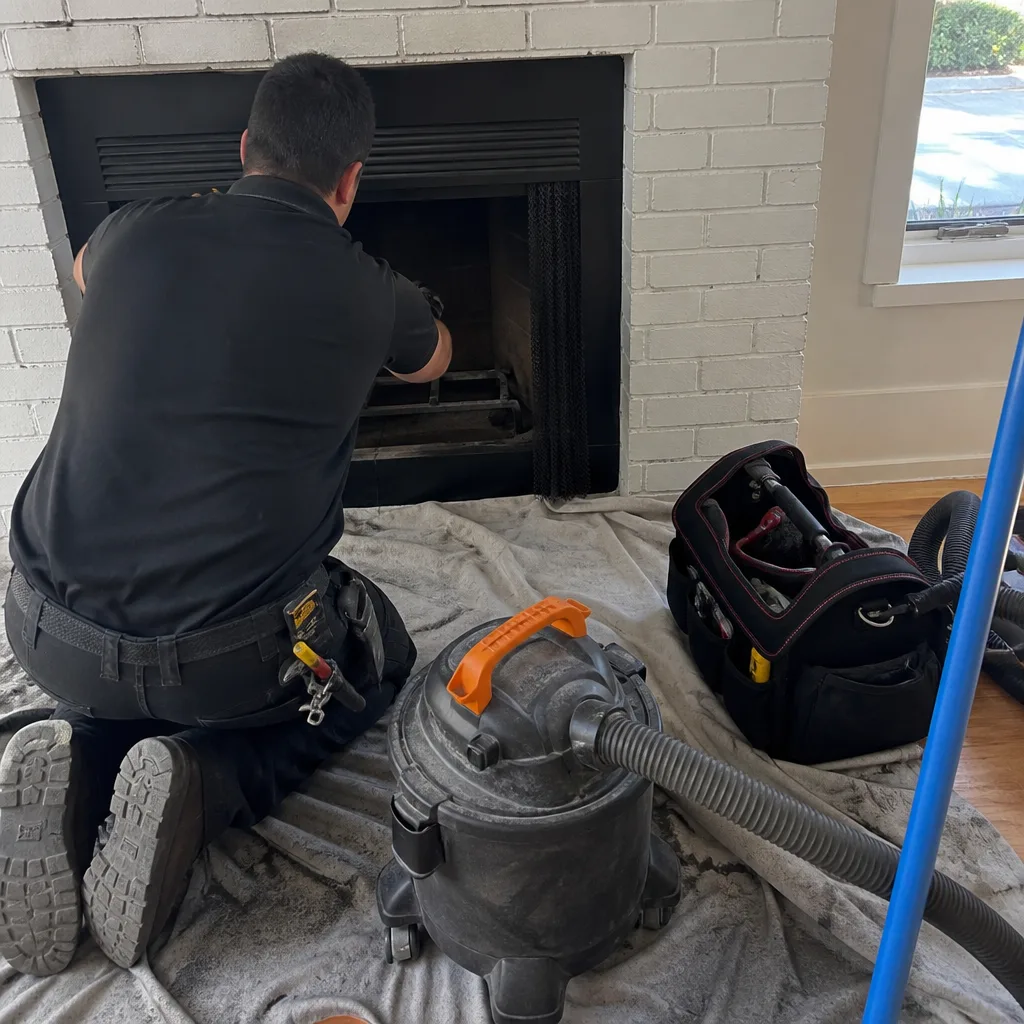
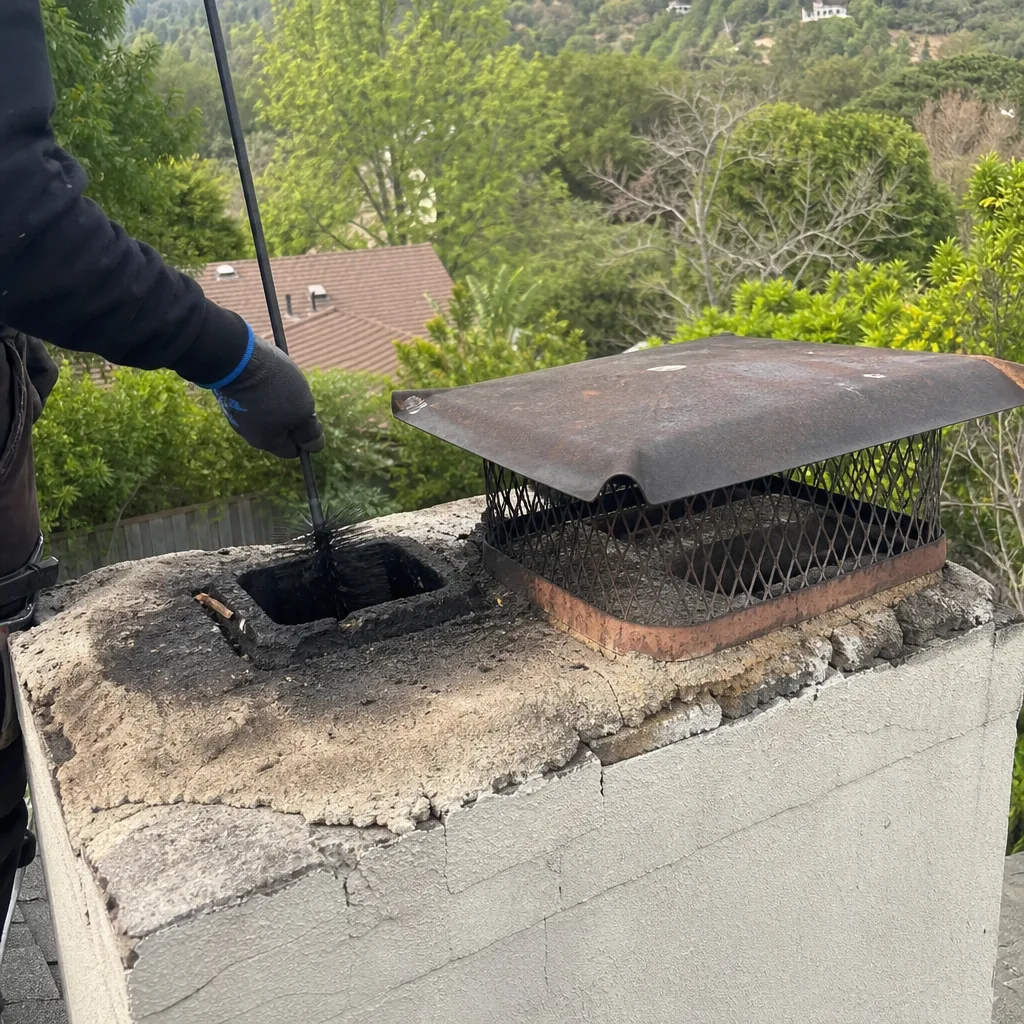
See the difference
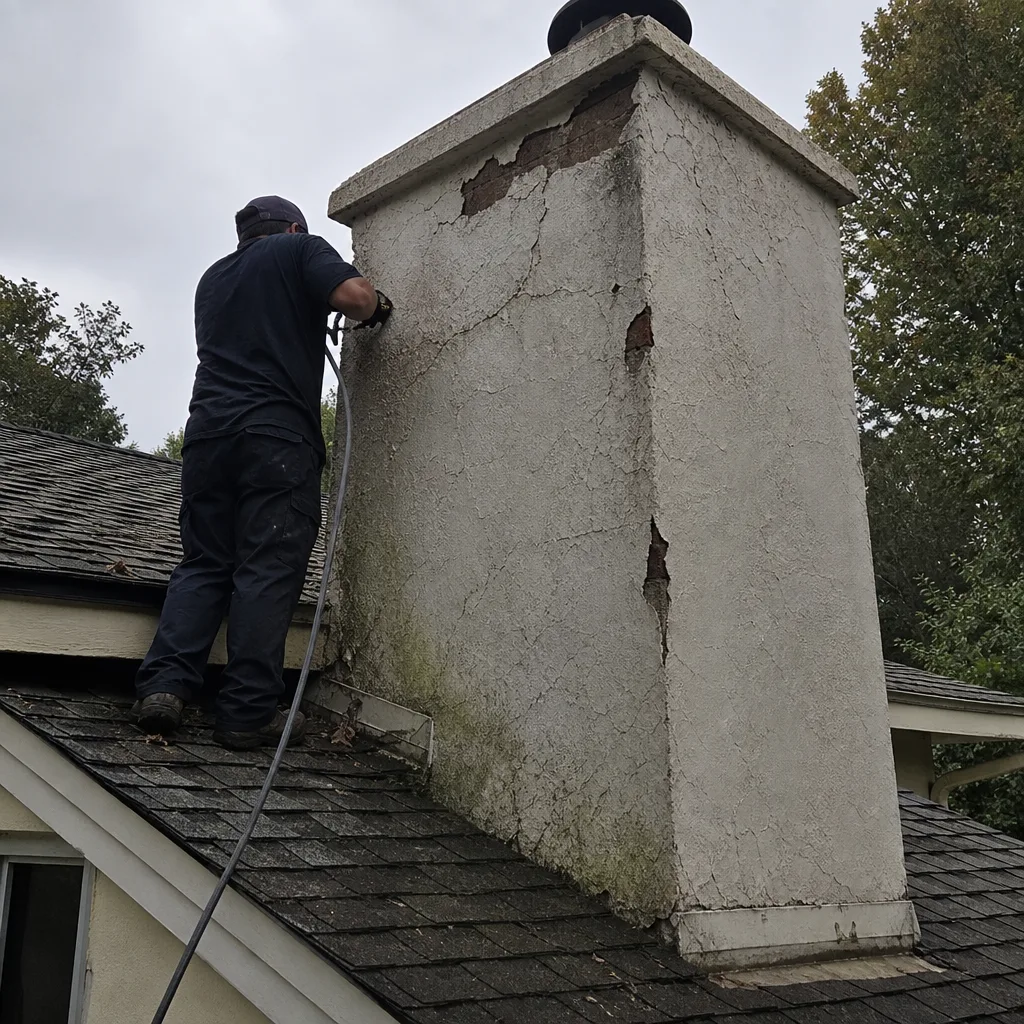 Before
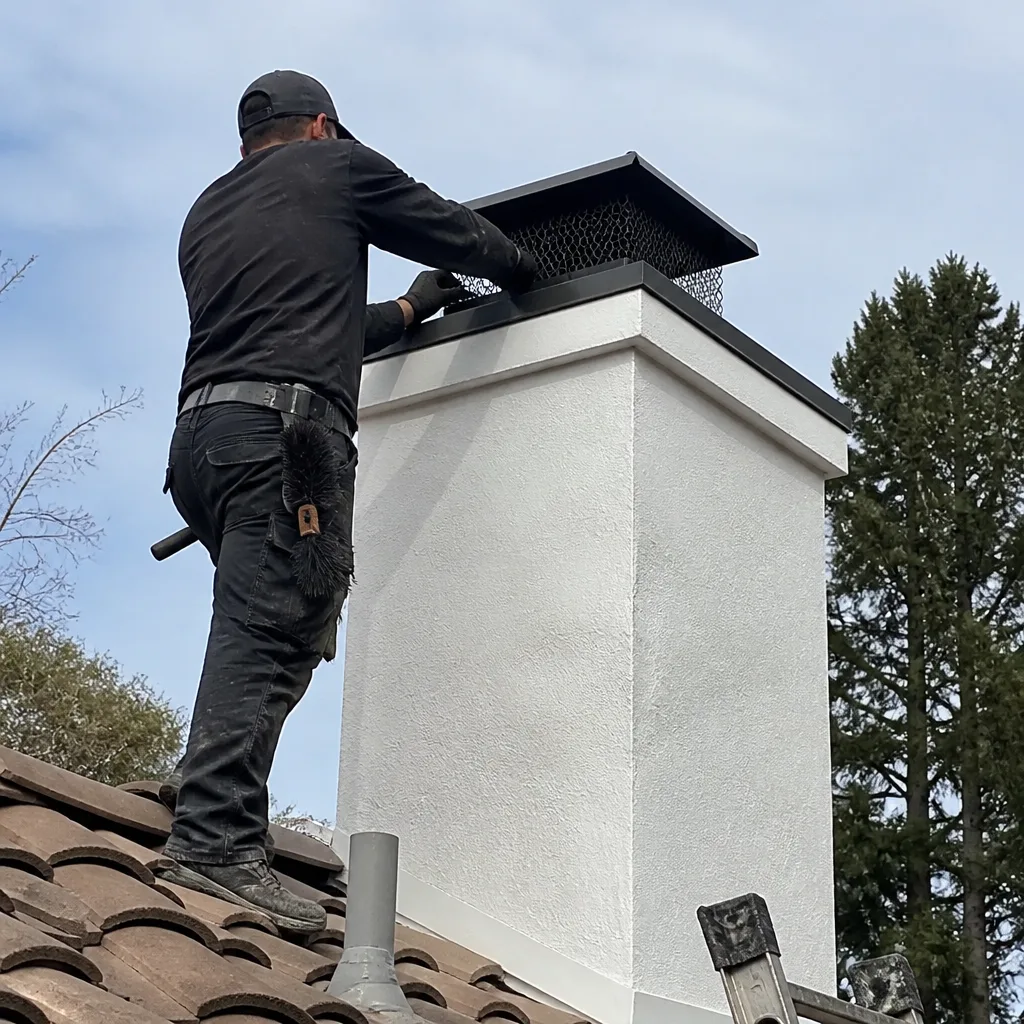 After
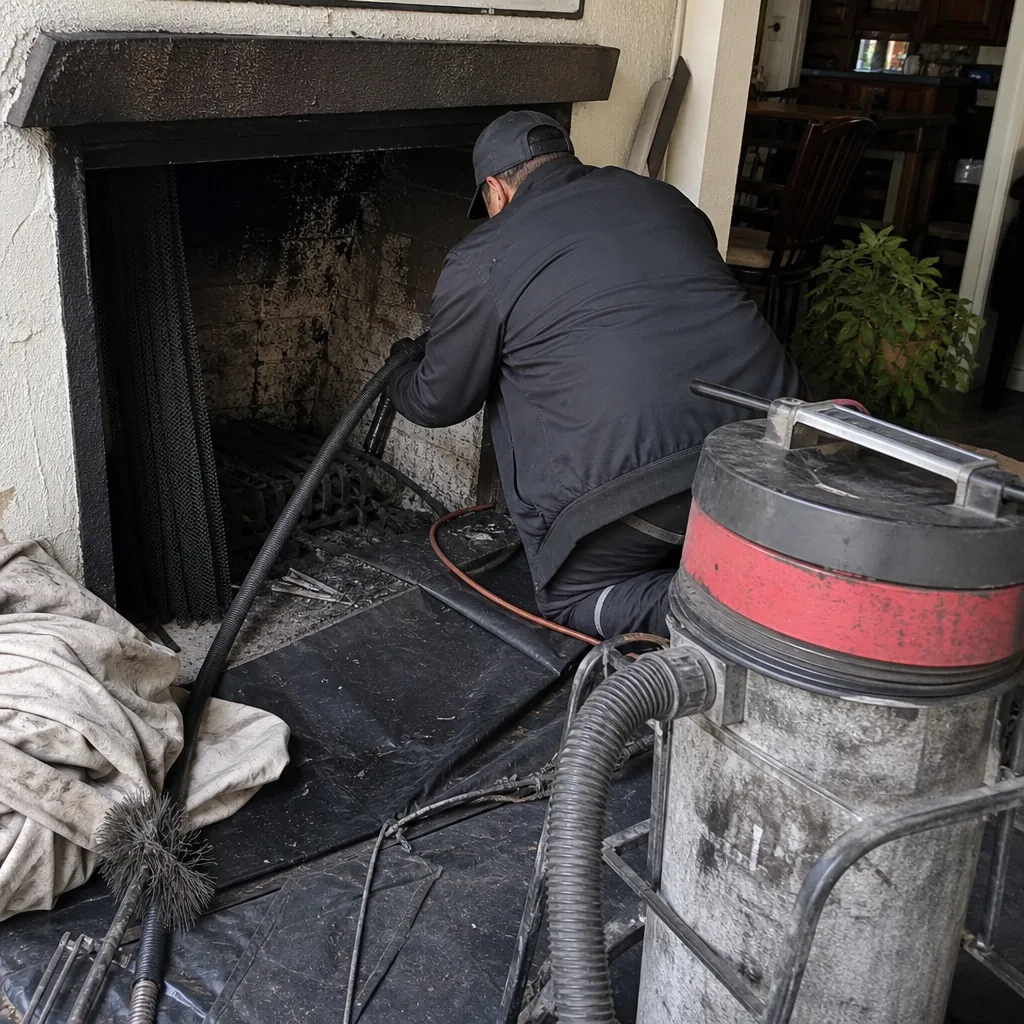 Before
 After
 Before
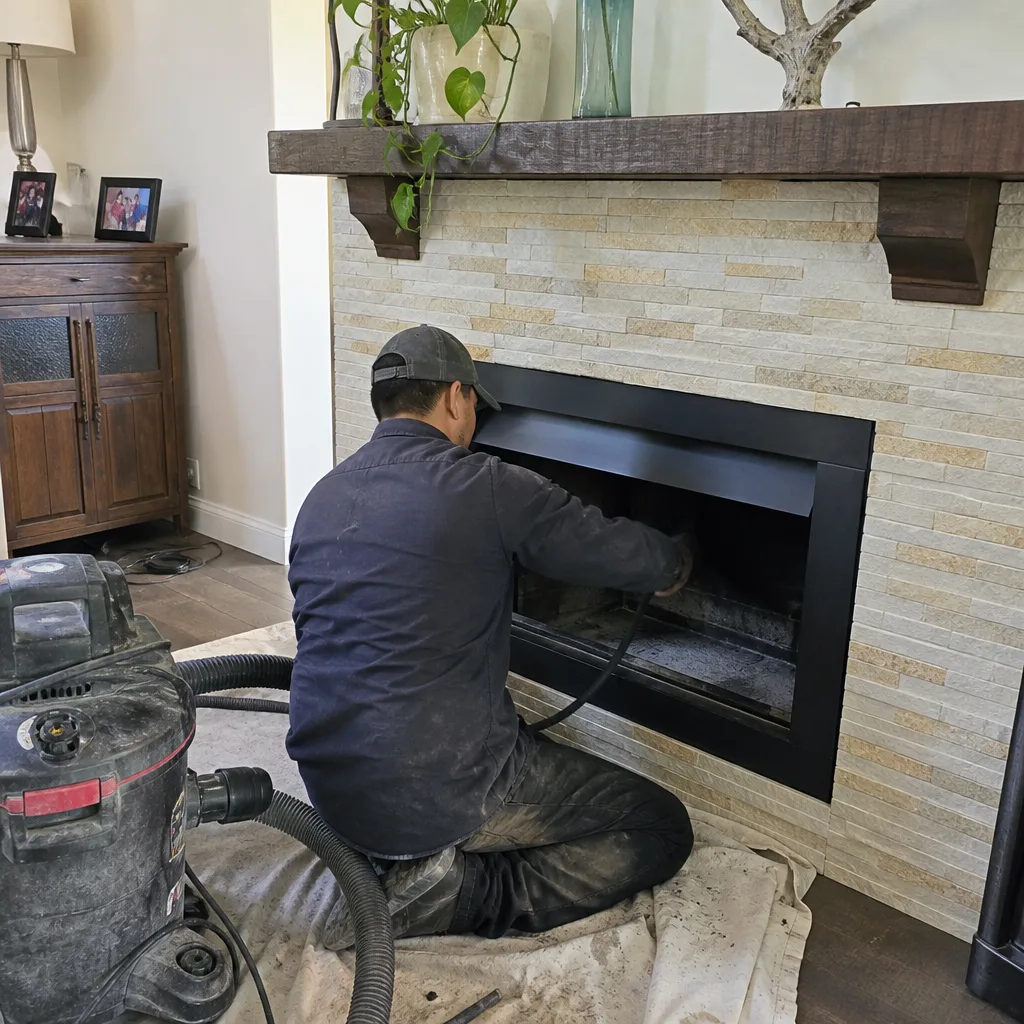 After
When to Call a Professional
Call a professional if smoke has ever entered your living space, if you see shiny black glaze inside the flue, if debris is falling into the firebox, if you smell chimney odors in the summer, or if you haven’t had the chimney inspected in over a year. A proper diagnosis starts with a camera inspection, not a brush. That’s how you avoid paying for cleanings that don’t fix the symptom. Chimney Sweep Almaden offers free estimates in Almaden – call (833) 593-6691 and we’ll look at what’s actually happening before recommending anything.
Frequently Asked Questions
Smoke comes back into the house when the chimney can’t maintain upward draft, and in most modern homes that’s a house pressure problem, not a chimney cleanliness problem. Running exhaust fans, a furnace, or a dryer during a fire can reverse the pressure gradient. The fix starts with identifying which mechanicals are fighting the fireplace.
Chimney sweep pricing in Almaden typically runs between $180 and $350 depending on the chimney’s condition, whether it’s a wood or gas fireplace, and what stage of creosote is present. A camera inspection should be part of the service so you know whether you need a standard cleaning or a more involved treatment. Call (833) 593-6691 for an exact quote.
The National Fire Protection Association recommends an annual inspection and cleaning as needed, and that standard applies whether you burn a cord a year or just use the fireplace on holidays. Even occasional fires deposit creosote. In Almaden’s variable climate, a yearly check catches moisture intrusion and liner damage before they become expensive repairs.
You need a new liner if the existing one is cracked, spalling, or too large for the firebox, and the only way to know for certain is a camera inspection. Many homeowners put off liner work because they’ve been told it’s urgent by someone who never showed them footage. At Chimney Sweep Almaden, we don’t recommend a liner replacement or HeatShield resurfacing without camera evidence you can see yourself.
Creosote builds from Stage 1 to Stage 2, at which point a standard cleaning no longer removes it. Left to Stage 3, it becomes a solid fuel layer that can ignite during a normal fire. A chimney fire can crack the liner and transfer enough heat to start a structural fire even if you never see flames above the roofline. The fix for a cracked liner is substantially more expensive than the sweep you skipped.
Your chimney smells in summer because the air conditioning cools the flue, reversing the chimney’s airflow so it pulls air down instead of venting up. That downward air carries the smell of accumulated creosote and soot into the house. It’s a pressure reversal, not a dirty chimney. A top-sealing damper or resurfaced flue stops the odor.
The Bottom Line
Smoke in the house, a slow-drawing fire, and a summer campfire smell are three different problems with three different root causes, and confusing them is why homeowners pay for repeated cleanings that never fix the symptom. A pressure problem needs an air source, a downdraft needs a cap, and a creosote problem needs a stage-appropriate treatment. The only way to know which one you have is a camera inspection before a brush gets picked up. Chimney Sweep Almaden handles all of it – cleaning, repair, and the dryer vent behind your laundry room wall – so the diagnosis and the fix come from the same professional. For more guides & resources, visit our blog. Call (833) 593-6691 for a free estimate, and don’t light another fire until you know what’s actually going on in that flue.
Written by the team at Chimney Sweep Almaden, serving Almaden since 2017.