
Last updated November 2, 2026
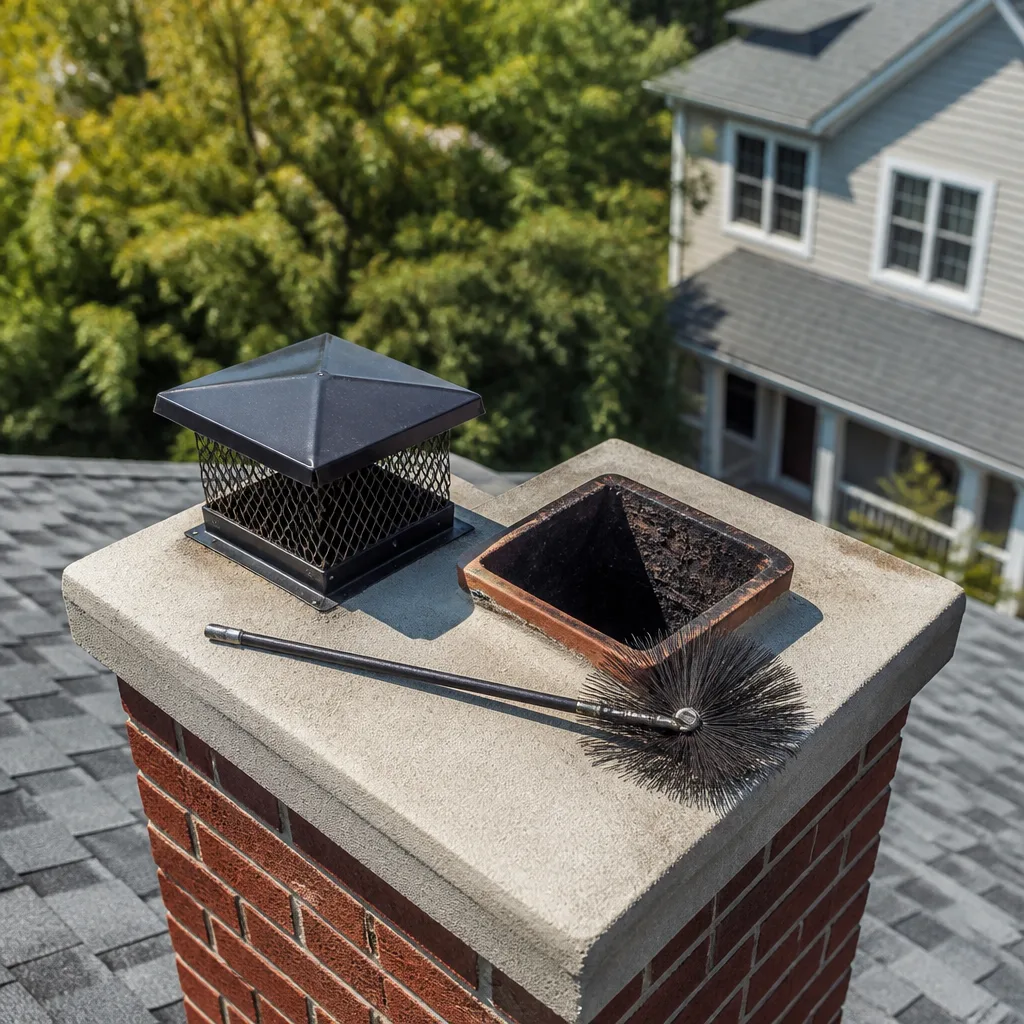 Sweep & inspection
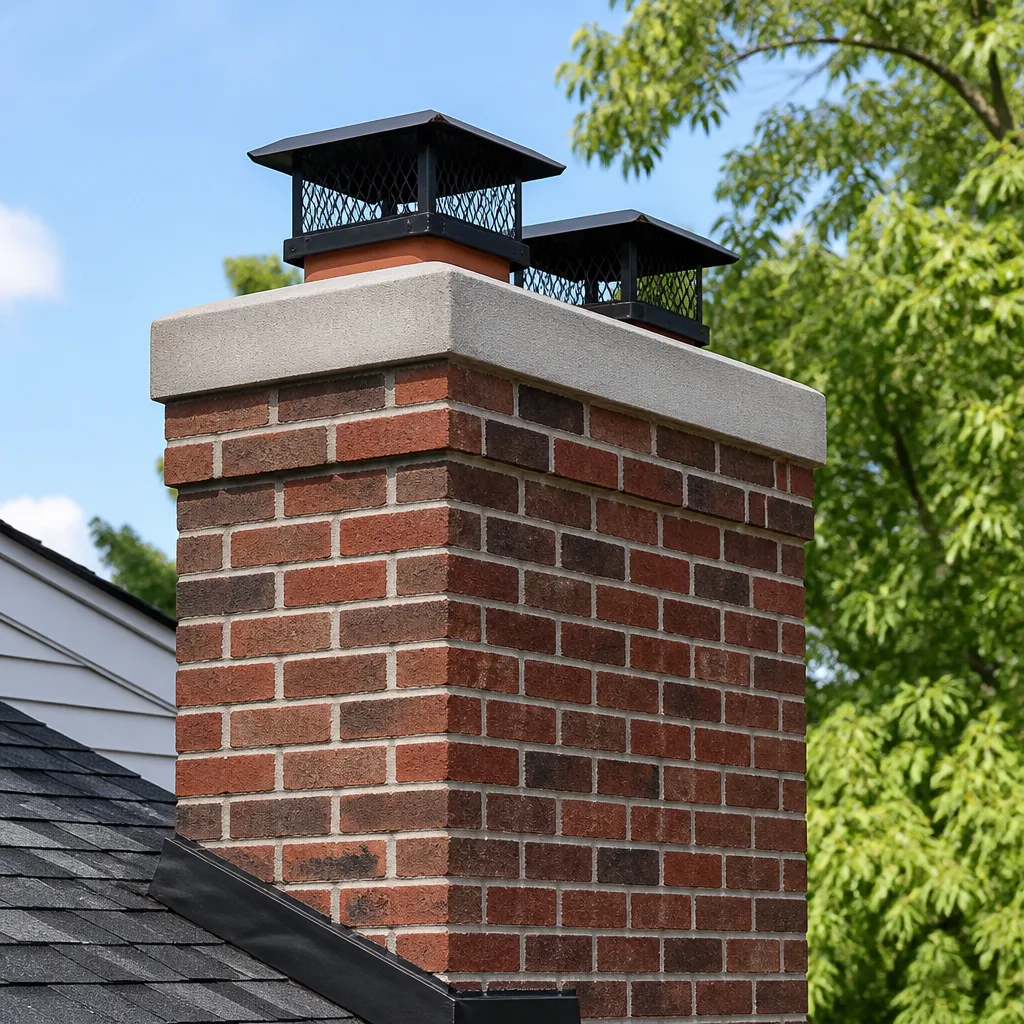 Caps & crowns
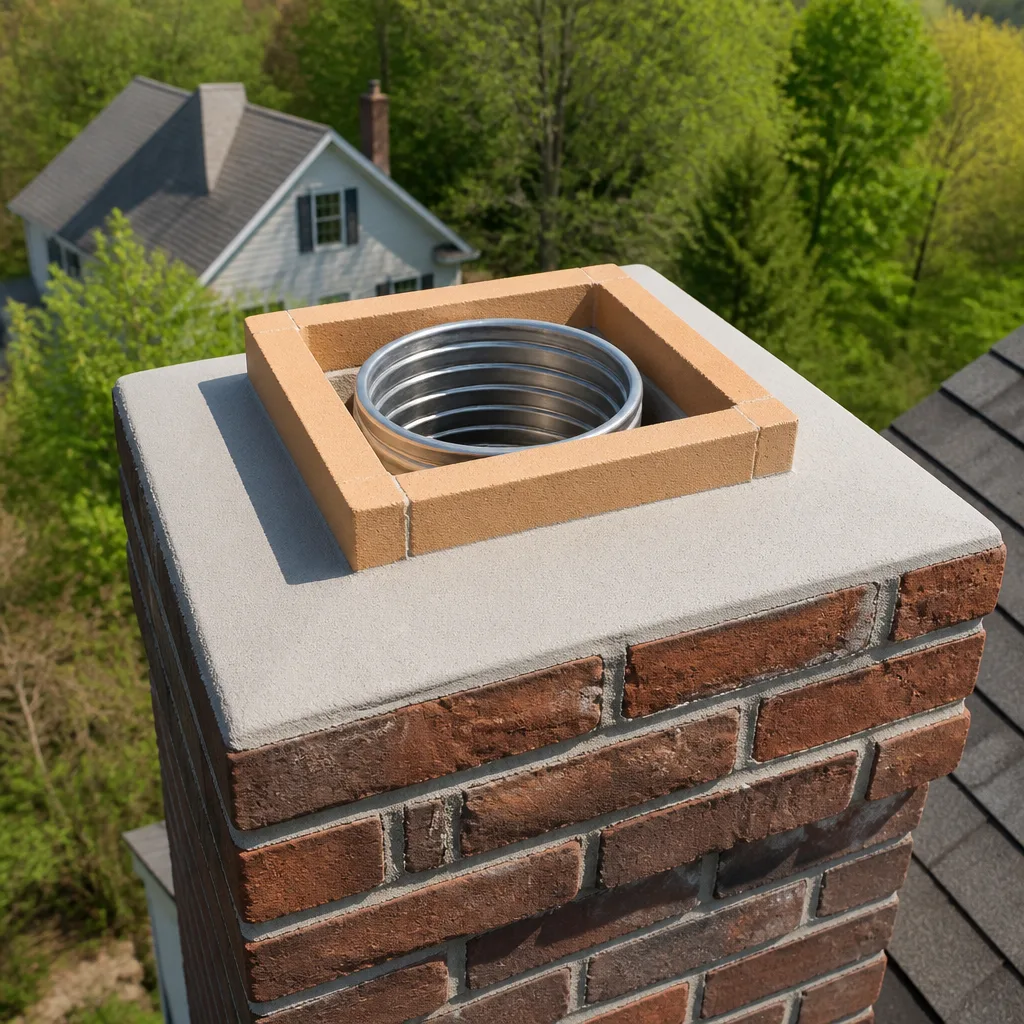 Flue relining
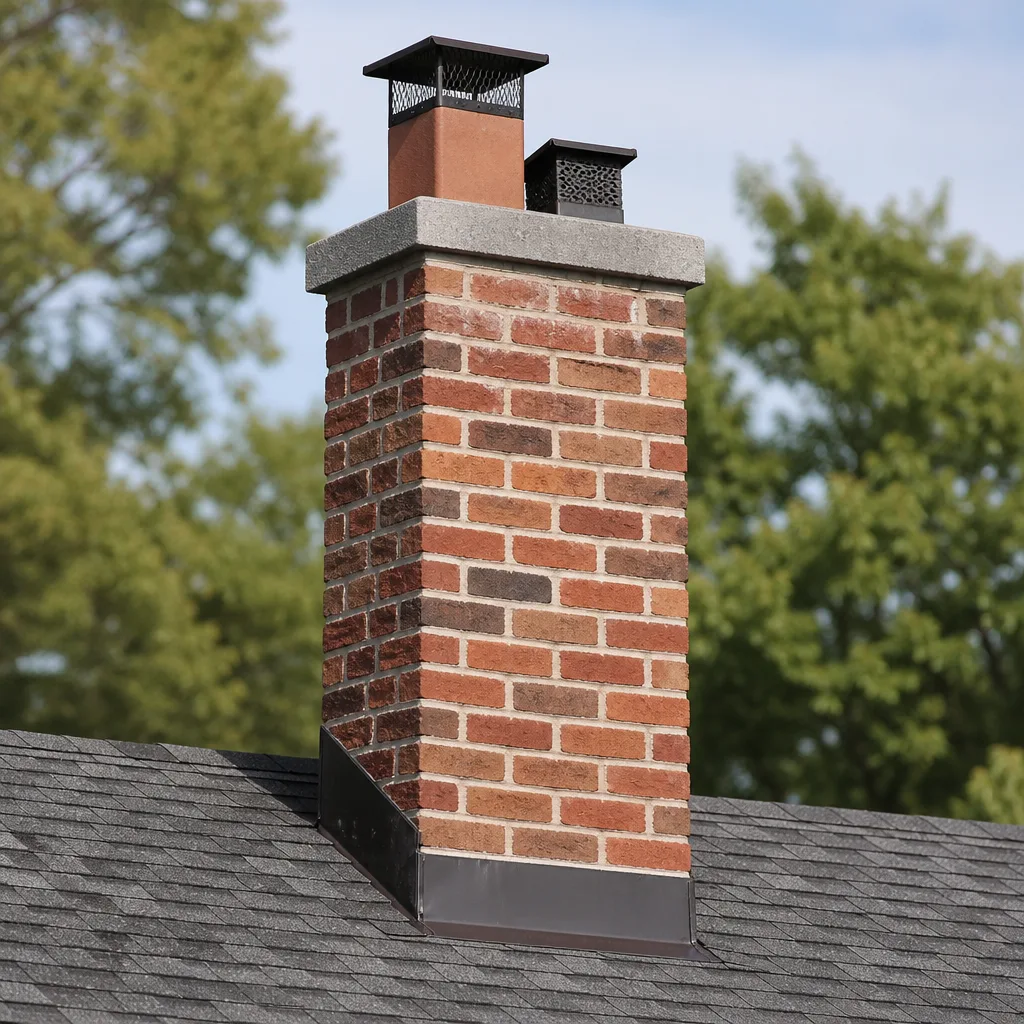 Masonry repair
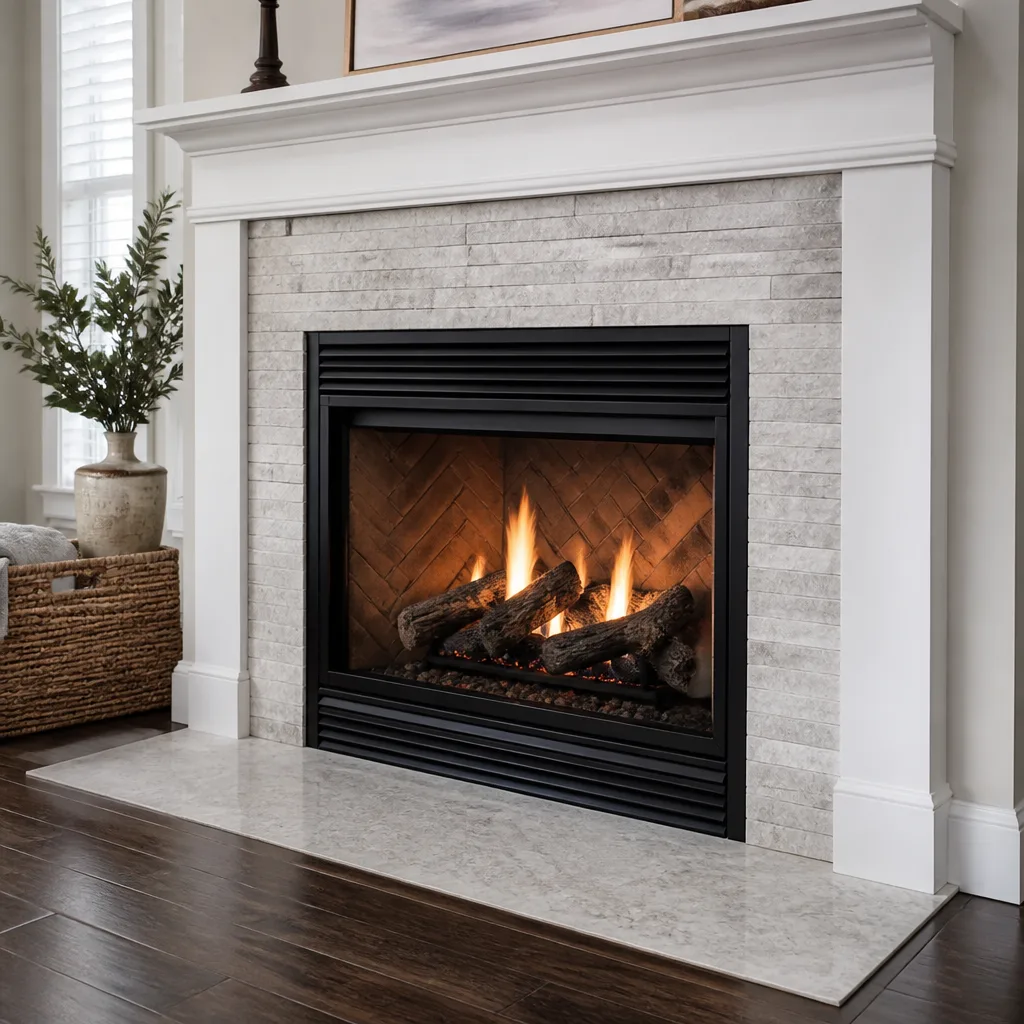 Gas fireplace service
Level 1 sweep and inspection to the NFPA 211 annual standard - flue, crown, cap, and flashing checked and photographed
Chimney sweep logs do not sweep chimneys. They loosen some creosote - which then falls where a brush and vacuum still have to collect it.
How to Hire a Chimney Cleaning Contractor in Almaden: A Step-by-Step Guide
Most homeowners in Almaden don’t get burned by a bad chimney sweep in an obvious way. They get a low quote, a crew shows up on time, the fireplace works fine for a season, and then a year later the same homeowner is staring at a cracked flue tile and a repair bill that costs four times what a proper inspection would have caught. The problem wasn’t dishonesty, usually. It was depth. This guide is about screening for competence, not just availability, and you can find more guides & resources on our blog. By the end, you’ll know exactly what questions to ask, what a legitimate estimate looks like, and which red flags mean you should send a contractor home before they ever set up a ladder in Almaden.
Styles & brands we work with
- Sweep & inspection
- Caps & crowns
- Flue relining
- Masonry repair
- Gas fireplace service
Quick Answer
To hire a chimney cleaning contractor in Almaden, verify who actually performs the work, confirm they carry chimney-specific insurance, request a written estimate with line-item scope, and insist on before-and-after documentation. The cheapest bid is rarely the safest choice, and the best contractors distinguish themselves through inspection thoroughness and material quality, not just speed. Expect to pay roughly $180 to $340 for a standard sweep and inspection in the San Jose area, with repairs quoted separately.
Table of Contents
- Why Almaden Chimneys Need More Than a Basic Sweep
- Step 1: Verify Who Actually Performs the Work
- Step 2: Check That Insurance Covers Chimney-Specific Work
- Step 3: Understand What a Legitimate Written Estimate Includes
- Step 4: Ask About Inspection Method and Reporting
- Step 5: Evaluate Materials and Repair Capability
- Step 6: Read the Warning Signs During the Visit
- Common Mistakes to Avoid
- When to Call a Professional
- Frequently Asked Questions
- The Bottom Line
Why Almaden Chimneys Need More Than a Basic Sweep
Almaden sits in a valley microclimate that produces more temperature swing and moisture exposure than homeowners typically expect. Chimney crowns and mortar joints absorb that moisture during the wet winter months, then expand when summer heat hits the San Jose basin hard, which is why seasonal chimney cleaning care for Almaden matters year-round. The result is accelerated spalling, cracked flue tiles, and deteriorated mortar that a basic brushing will never reveal. A sweep that only pushes a brush through the flue and collects the debris does nothing to assess the structural condition of the chimney itself. In Almaden, that assessment is the more valuable part of the visit.
This is why our approach at Chimney Sweep Almaden treats every cleaning as a full system inspection. The sweep removes creosote and soot, but the technician is also checking the flue liner, the damper assembly, the crown, the flashing, and the firebox for signs of wear that will be more expensive to address later. In Almaden’s specific climate, those checks are not optional add-ons. They are the point of the appointment. A chimney that functions safely through the burn season is built on what the technician finds when the creosote is cleared away, not just on how clean the flue looks afterward.
Wood-burning fireplaces remain common throughout Almaden’s older neighborhoods, and many of those homes were built before current liner standards became common practice. That means a significant portion of local chimneys are operating with terra cotta liners that predate modern safety expectations. If you’re hiring a sweep, you need one who can tell you whether that liner is still doing its job or whether it has become a liability. You can find more specifics on what a comprehensive service looks like on our Chimney Sweep Almaden home page, but the principle here is simple: in Almaden, a sweep without a structural assessment is half a job.
Step 1: Verify Who Actually Performs the Work
Here is a question most homeowners never ask: who is physically going on my roof, and what are their credentials? It’s a more important question than “are you certified?” because CSIA certification is attached to a person, not a company. A business can hold certification through its principal while sending uncertified subcontractors onto Almaden rooftops every day. Franchise operations and multi-crew companies are the most common places this happens. The person answering the phone may hold every credential in the book, but if the person on your chimney has no documentation of their own, you’ve paid for expertise that never arrived.
Ask directly. When you call a chimney cleaning contractor in Almaden, say this: “Are the technicians who will perform the work covered under the company’s CSIA certification, or is that held by an owner who won’t be present?” A legitimate operation will answer without hesitation. They’ll tell you the technician’s name, their certification status, and how long they’ve been with the company. If the answer sounds defensive or vague, that’s your signal to move on. Subcontracting isn’t always bad, but you have a right to know who is working on your home and what qualifies them to do it.
In our experience, the highest-quality work in Almaden comes from specialists who own the entire process. The person who inspects the chimney is the person who cleans it, and the person who cleans it is the same person who writes the report. That continuity matters. When a separate crew handles the actual work, the inspection findings get filtered through layers of communication, and what you receive on paper is often a simplified version of what the technician actually saw on the roof. You’re hiring a professional to give you information about your home’s safety. Make sure the person gathering that information is the one you’ve vetted.
This same principle applies to the specialty services. If you need chimney repair work in Almaden, the person evaluating the damage should be the same specialist who will perform the repair. You can see how this plays out across our service areas by visiting Downtown San Jose, where the same accountability structure applies. One specialist, one standard, one person responsible for the outcome.
Step 2: Check That Insurance Covers Chimney-Specific Work
General liability insurance is not enough. A contractor can present a certificate of insurance that covers a broad range of handyman work and still have no coverage for chimney-specific hazards. Chimney work involves roof access, specialized equipment, and potential property damage from falling debris or improper technique. If your contractor’s policy doesn’t explicitly cover chimney and venting services, you could be left holding the repair bill for damage caused during the job. In Almaden, where many homes sit on sloped lots with steep rooflines, that risk is amplified.
Ask for a certificate of insurance and read what the policy covers. Look for language that includes chimney cleaning, inspection, and repair as covered operations. Confirm that the policy is current and that the limits are adequate for residential work. A legitimate contractor will provide this document before you book. If a company is reluctant to show their insurance certificate, treat that as a hard stop. You are not being difficult by asking. You are protecting yourself in a scenario where the cost of being wrong can run into tens of thousands of dollars.
Also verify that workers’ compensation coverage is in place. Chimney work puts technicians on ladders, on roofs, and in awkward positions around masonry. If someone is injured on your Almaden property and the company lacks workers’ comp, you may be pulled into the liability. This is not hypothetical. It happens, and it happens more often with low-bid operators who cut insurance costs to keep their prices artificially attractive. The lowest quote often hides these savings. A contractor who carries proper coverage has priced that into the job, which means their number will be slightly higher, and that is exactly what you want.
Step 3: Understand What a Legitimate Written Estimate Includes
A real estimate is a document that defines scope. It is not a number sent in a text message. In Almaden, where chimney services range from a basic sweep to structural repair, the estimate should tell you exactly what is included, what is excluded, and what happens if the technician finds something unexpected. Here are the five components every legitimate written estimate should contain:
- A line-item breakdown of services. Each component, whether it’s a standard sweep, a Level 2 camera inspection, or a cap installation, should appear as a separate line with its own cost. If a contractor gives you a single lump sum with no breakdown, ask them to itemize it. If they can’t or won’t, that’s a red flag.
- A stated scope limit. What is the maximum work covered by this estimate? For example, does the sweep include cleaning the smoke chamber, or is that an additional charge? Does the estimate cover one flue or multiple? Vague scope language is how surprise charges get added later.
- Conditions that trigger additional charges. A legitimate estimate will say something like: “If the flue requires more than standard creosote removal due to glaze-stage buildup, additional labor at $X per hour will apply.” This should be written, not verbal. Any contractor who won’t put these conditions in writing is setting up a situation where the final bill is whatever they decide it is.
- Materials and parts, if applicable. If the work includes a new cap, a liner, or any other component, the estimate should name the product. We source components from Olympia Chimney and Copperfield, two of the trade’s most trusted supply networks, and we name those products in our estimates. A contractor who says “a new cap” without specifying the model and material is giving you a placeholder, not a quote.
- What happens if the technician recommends additional work. This is where many homeowners in Almaden get caught. The estimate should state clearly that any repair recommendations will come with documentation, including photos or camera footage, and that approval will be required before any additional work is performed. No legitimate contractor sets foot on your roof with permission to perform unquoted work. If an estimate does not include this safeguard, add it yourself in writing before you sign anything.
A vague quote is one of the most common complaints we hear from homeowners who come to us after a bad experience with another sweeper in Almaden. They received a number, booked the visit, and then got hit with additional charges for “extra creosote” or “unexpected repairs” that no one ever showed them evidence of. The estimate is your contract. It should be specific enough that a stranger reading it would know exactly what was done, what was charged, and why.
Step 4: Ask About Inspection Method and Reporting
You cannot inspect what you cannot see. That sounds obvious, but a surprising number of chimney sweeps in the Almaden and greater San Jose market still perform “inspections” with a flashlight and a mirror, then deliver a verbal summary that amounts to “looks fine to us.” That is not an inspection. That is a glance. A proper chimney evaluation requires a camera system that can document the flue interior from top to bottom, because the most serious problems, cracked flue tiles, separated liner joints, hidden creosote accumulation, live exactly where the human eye cannot reach.
Here is a numbered breakdown of what a legitimate inspection process looks like, and what you should expect to receive from any contractor you hire in Almaden:
- Camera inspection of the flue interior. The technician should run a camera through the entire length of the flue, documenting what they see. This is the only way to assess the condition of terra cotta tiles, identify gaps or cracks, and confirm that the flue is properly sized for the appliance it serves.
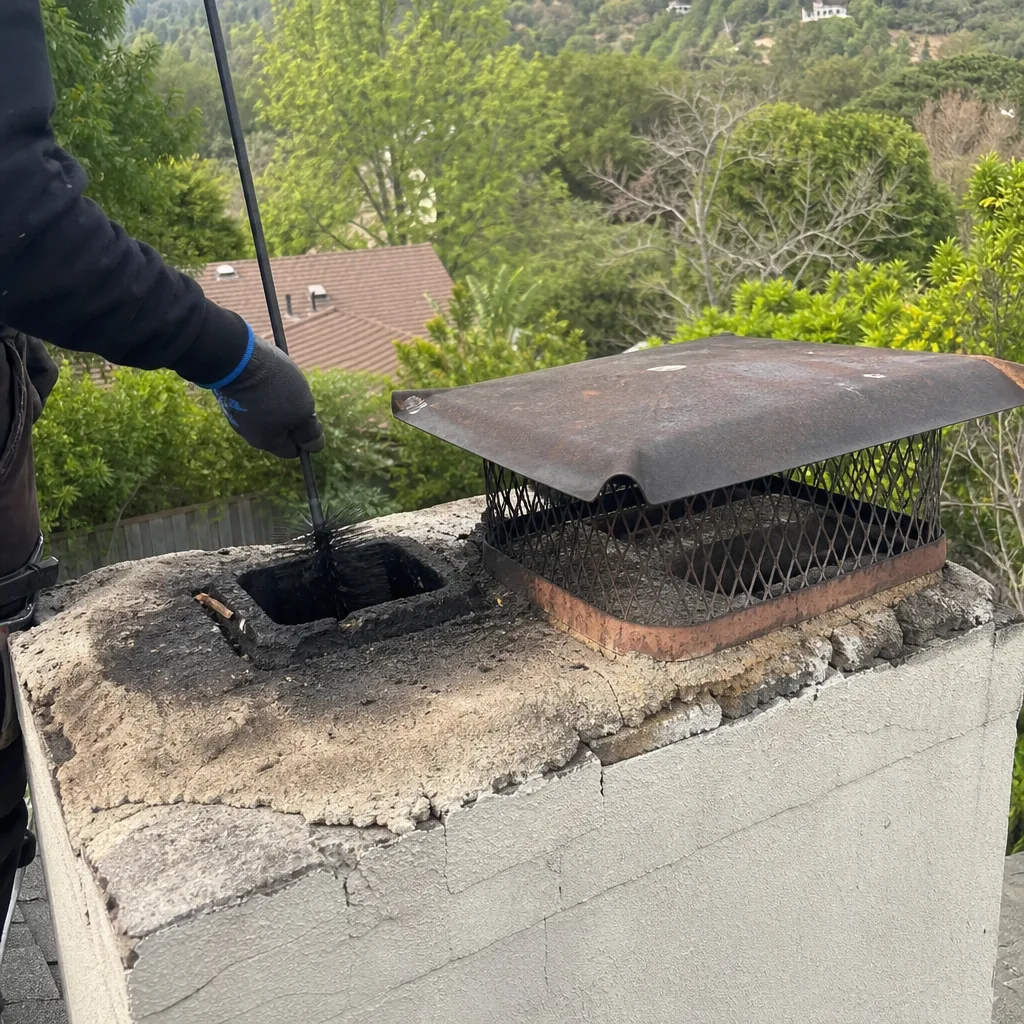
- Visual inspection of external components. The crown, the cap, the flashing, the masonry, and the chimney exterior all need a close look. In Almaden’s wet-winter, hot-summer climate, these components degrade faster than the flue interior in many cases.
- Damper and firebox evaluation. The technician should check that the damper opens and closes fully, seals properly when closed, and that the firebox shows no cracks or signs of heat damage to surrounding framing.
- Written findings, not just verbal. You should receive a report, either on paper or delivered digitally, that summarizes what was inspected and what was found. If everything is fine, the report should say that. If something needs attention, the report should say that too, with specifics.
- Photo or video documentation. Camera footage of your flue is the single strongest tool you have for verifying a contractor’s claims. A legitimate professional will show you what they saw. Any resistance to sharing this footage is a disqualifier, full stop.
Quick Answer: Before you hire, ask one question: “Will I receive camera footage and a written report from the inspection?” If the answer is anything other than yes, keep looking. A chimney cleaning in Almaden without documentation is a cleaning you cannot verify ever happened properly.
The report is also your record for insurance purposes and for future maintenance decisions. If a contractor tells you the flue needs a liner replacement, you should have footage you can look at yourself, right then, that shows the damage. We apply this standard on every job. When we recommend a repair, whether it’s a HeatShield resurfacing application or a full DuraFlex liner installation, the homeowner sees the camera footage first and the recommendation second. That order matters. The evidence comes before the ask. That’s how a professional operates, and you should accept nothing less in Almaden.
Step 5: Evaluate Materials and Repair Capability
Most chimney cleaning companies can sweep a flue. Far fewer can repair one. That distinction matters more than homeowners realize, because what happens when the sweep finds a problem? Many operations in the Almaden area will hand you a repair recommendation and then hand you off to a separate masonry contractor or a general contractor who may not specialize in chimney systems at all. You are then managing two different vendors, coordinating two schedules, and hoping the second contractor understands chimney dynamics as well as the first one did.
This is where the full-service model earns its premium. A specialist who handles both cleaning and structural repair eliminates the handoff entirely. The person who found the cracked flue tile is the same person who will fix it, using materials that are specified for chimney applications. When we repair a liner in Almaden, we use DuraFlex flexible liner systems, a professional-grade standard in the chimney trade. When a flue shows structural compromise that doesn’t require a full liner replacement, we can apply HeatShield resurfacing technology, a repair method most sweep-only services simply cannot offer. That capability means the homeowner gets a fix, not a referral.
Ask any contractor you’re considering what happens if the inspection finds damage. Do they perform repairs in-house, or do they refer? If they refer, ask who they refer to and whether that contractor specializes in chimneys or is a generalist. If they perform repairs in-house, ask what materials they use. The answers will tell you a great deal. Names like HeatShield and DuraFlex are not brand-dropping; they are indicators that the contractor sources materials the way a certified specialist does, which is to say, from suppliers the industry actually trusts. Gelco and Famco in a product lineup signal the same thing on the venting and cap side. These are not materials a lowest-bid handyman would even recognize.
The repair capability question also matters for gas fireplaces, which are prevalent throughout Almaden’s newer construction. Gas appliances vent differently than wood-burning systems, and the venting components have their own specifications and failure modes. A contractor who only knows wood systems may not recognize a compromised B-vent or a blocked direct-vent termination. Our team works with gas and wood systems equally, and the breadth of that experience means the inspection is thorough regardless of what fuel you burn. The same applies to dryer vent systems, which we treat as a core service, not an afterthought. Your fireplace and your dryer vent are both fire risks, and both deserve the same level of professional attention. You can learn more about that side of our work at Dryer Vent Cleaning in Downtown San Jose.
Step 6: Read the Warning Signs During the Visit
You have done the screening work. The contractor has answered your questions correctly, provided a detailed estimate, and confirmed their insurance coverage. Now the technician arrives at your door in Almaden. The visit itself is the final test, and there are specific behaviors that should trigger your skepticism. Here are the red flags to watch for:
- No before-and-after photos. The technician sweeps the chimney and leaves without documenting anything. You have no way to verify the work was done. A professional will take photos of the creosote buildup before the sweep and the clean flue after, and they’ll offer to show you both. If no one offers, ask. If they can’t produce them, you have learned something important.
- Verbal findings with no written report. The technician says something like “your crown looks rough” as an aside while packing up, but nothing appears in writing. Verbal findings are how small problems get lost and how big problems get exaggerated later during a sales call. Everything significant should be in the report, and the report should be in your hands before the technician leaves.
- Same-day pressure to approve repairs. This is the one that catches homeowners. The technician finds a “serious issue” and tells you that you need to approve a repair immediately, sometimes with a discount that only applies today. Legitimate chimney problems in Almaden are rarely so urgent that they cannot wait for you to review the documentation and get a second opinion. A professional will explain what they found, show you the evidence, recommend a course of action, and give you time to decide. Pressure is a sales tactic, not a safety protocol.
- No explanation of findings. The technician presents the bill and a written report with terms like “Stage 2 creosote” or “flue tile separation” without explaining what any of it means. A good sweep is an educator. They want you to understand what they found and why it matters. If your technician is too busy or too disinterested to explain, they are not treating your chimney like a safety system.
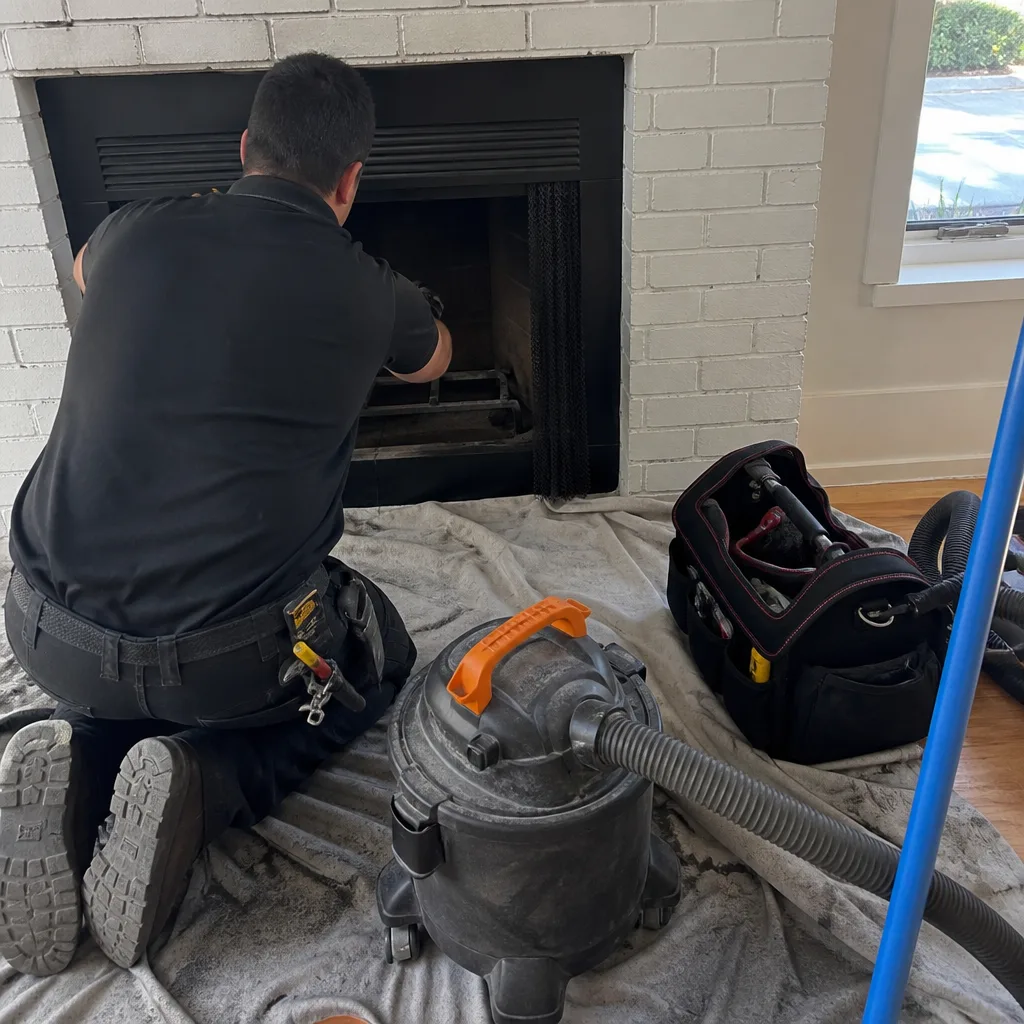
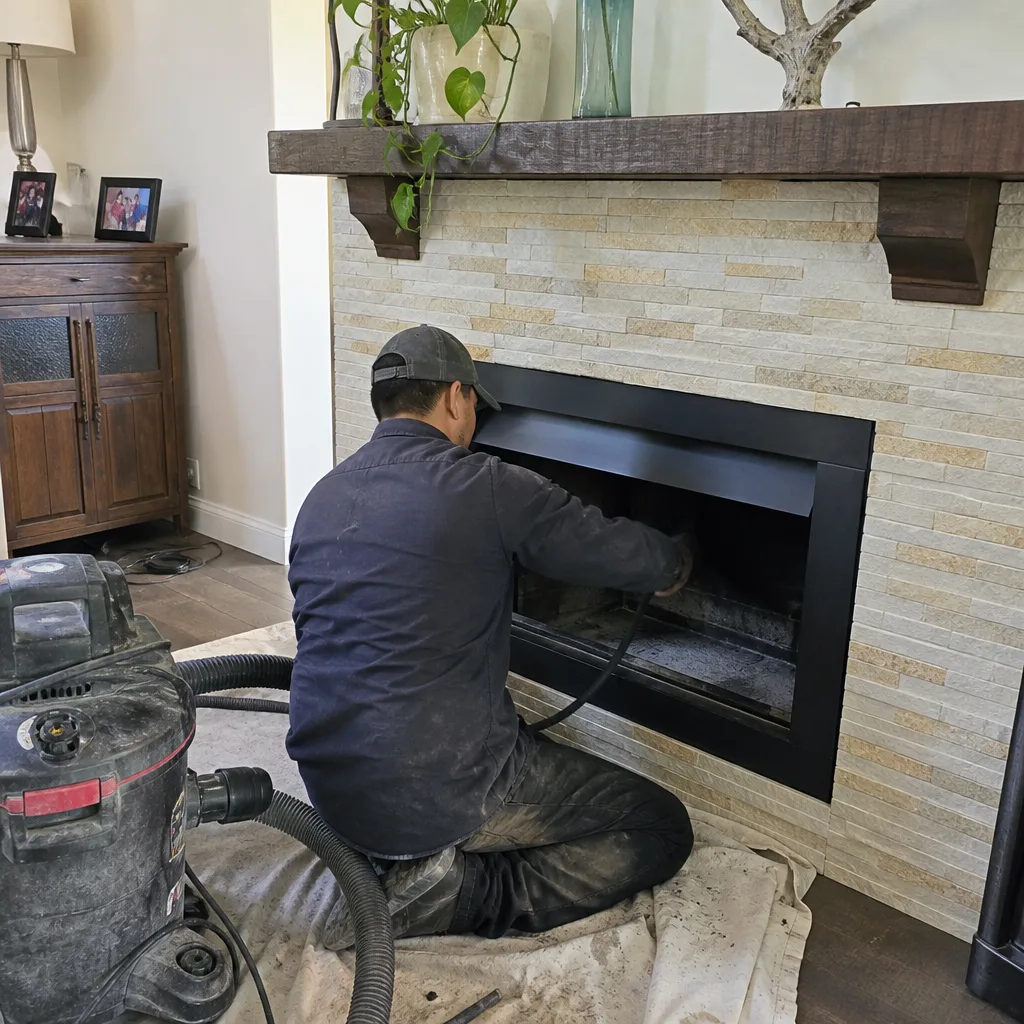
- Equipment that doesn’t match the price. You hired a specialist at a specialist’s rate, but the technician arrives with a drill-powered brush from a hardware store and a shop vac. Entry-level equipment produces entry-level results. Proper chimney sweeping uses rotary cleaning systems, professional-grade vacuums with HEPA filtration, and camera inspection gear. The equipment is part of what you’re paying for.
These warning signs are not about catching a contractor in a lie. They’re about distinguishing between professionals who will document their work and operators who hope you won’t look too closely. In Almaden, where the difference between a thorough inspection and a superficial one can be the difference between a safe burn season and a house fire, attention to these details is not paranoia. It’s basic due diligence. The cheapest bid in Almaden is often a regional price-leader using entry-level equipment and no follow-up documentation, because those are the costs they’ve cut to hit that number. You’ll pay either way. You can pay for the documentation and the camera gear and the comprehensive report, or you can pay later for the problems no one bothered to find.
For context on what full-service work looks like in other parts of the region, take a look at Chimney Sweep in Downtown San Jose to see how the same standards apply across the market.
Common Mistakes to Avoid
- Hiring on price alone. The chimney cleaning market in Almaden has a wide price spread, and the bottom of that spread exists for a reason. The lowest bids typically come from operators who don’t carry full insurance, don’t run camera inspections, and don’t provide written reports. You are not overpaying for a premium sweep; you are underpaying for a partial one.
- Assuming certification covers the whole company. CSIA certification belongs to individuals, not businesses. A certified owner can send uncertified crews to your roof. Before you book, confirm the certification status of the specific technician who will perform the work.
- Skipping the insurance check. Many homeowners in Almaden ask about price before they ask about insurance. That’s backwards. Roof work, masonry work, and potential property damage all flow through the contractor’s policy. If that policy doesn’t cover chimney-specific operations, you are the backup insurer.
- Waiting to schedule until the burn season starts. The best time to have your chimney cleaned in Almaden is late summer or early fall, before the first fire of the season. Companies book quickly as temperatures drop, and scheduling early gives you time to address any repairs found during the inspection without sacrificing your fireplace for the winter.
- Approving repair work without seeing evidence. No legitimate contractor in Almaden should expect you to approve a liner replacement or a crown repair without showing you camera footage of the problem. If you haven’t seen it, you haven’t been shown it. Do not approve work based on someone’s verbal description of a problem you cannot see.
- Treating the dryer vent as an afterthought. Many chimney-only companies ignore dryer vents entirely, but a clogged dryer vent is a leading cause of residential fires. If your contractor can’t or won’t handle it, consider one who will. The same care that goes into your chimney should extend to the exhaust system running through your walls.
- Accepting a verbal quote as a contract. A number spoken over the phone or sent in a text is not an estimate. Without a written document defining scope, exclusions, and conditions for additional charges, the final bill is whatever the contractor decides it is. Get it in writing, every time.
When to Call a Professional
Some situations are not optional. If you smell smoke in the house when the fireplace is not in use, if you see white staining on the exterior masonry, if the damper won’t close fully, or if it’s been more than two years since the last inspection, it’s time to call. These are specific indicators that your chimney system is not functioning the way it should. Gas fireplace owners should note that a lazy yellow flame or a smell of gas near the firebox after shutdown are both warning signs that require professional attention. Wood users should watch for excessive smoke during normal operation or creosote flakes falling into the firebox, both signs of buildup or draft problems. If you’re in Almaden and any of these apply, you need an inspection, not a guess. Chimney Sweep Almaden offers free estimates in Almaden – call (833) 593-6691 to schedule a full inspection with camera documentation.
Frequently Asked Questions
A standard chimney cleaning and inspection in Almaden typically costs between $180 and $340, depending on the type of chimney, the level of creosote buildup, and whether the home has one flue or multiple. For full details, see our Chimney Cleaning Cost Breakdown: The Almaden Homeowner’s Reference for 2026. That range includes a full sweep of the accessible flue and a standard visual inspection in most cases. Additional services like camera inspections, cap installation, or repair work are quoted separately. Call (833) 593-6691 for an exact quote – estimates are free.
The National Fire Protection Association recommends annual inspection for all chimneys, with sweeping performed whenever creosote buildup reaches a certain threshold or after every cord of wood burned. For most Almaden homeowners who use their fireplace regularly through the winter, a professional cleaning every one to two years is appropriate. Homes that burn unseasoned wood or use the fireplace daily may need more frequent service.
You need to see the evidence before you decide, because the answer depends entirely on the condition of the existing flue. A cracked terra cotta tile or a separated mortar joint is a legitimate reason for relining, and you should be shown camera footage of the damage before any recommendation is accepted. If the damage is limited, products like HeatShield can resurface the flue without a full liner replacement. If the damage is extensive, a DuraFlex liner may be the right call. Either way, the contractor should be able to show you exactly why.
Skipping maintenance allows creosote to accumulate inside the flue, which creates two distinct risks. The first is chimney fire, which occurs when built-up creosote ignites and burns at temperatures that can crack flue tiles and spread to surrounding framing. The second is obstruction, which forces smoke and carbon monoxide back into the living space. In Almaden’s older homes, where flue liners may already have decades of service behind them, the margin for deferral is narrower than it once was. Call (833) 593-6691 if you’re unsure when your chimney was last inspected.
Only if the company offers dryer vent cleaning as a dedicated service, and many chimney-only operations do not. Chimney Sweep Almaden treats dryer vent cleaning as a core service, not an add-on, because a clogged dryer vent is one of the leading causes of residential fires in the United States. The equipment and access methods are different from chimney work, so ask specifically whether the company you’re considering has the right tools and training for dryer exhaust systems.
A chimney cap should be sized to the flue, constructed from stainless steel or copper for longevity, and equipped with a spark arrestor to prevent embers from exiting the chimney. In Almaden’s variable climate, a quality cap also keeps rain and debris out of the flue during the wet season and prevents animals from nesting inside the chimney during the spring. We source caps through suppliers like Famco, which gives us access to properly specified components rather than generic hardware-store alternatives. The right part, sourced right, lasts years longer than a bargain cap.
The Bottom Line
Hiring a chimney cleaning contractor in Almaden is a process of verification, not just availability. Ask who will perform the work, confirm that insurance covers chimney-specific operations, require a written estimate with defined scope, insist on camera documentation, and understand what materials and repair capabilities the contractor brings to the table. The right contractor will welcome these questions because they signal that you take the work seriously. The wrong one will resist them. In Almaden’s specific climate, where moisture and temperature swings accelerate chimney wear, a thorough inspection is the foundation of safe operation. Don’t settle for a receipt where a report should be.
Written by the team at Chimney Sweep Almaden, serving Almaden since 2017.
See the difference
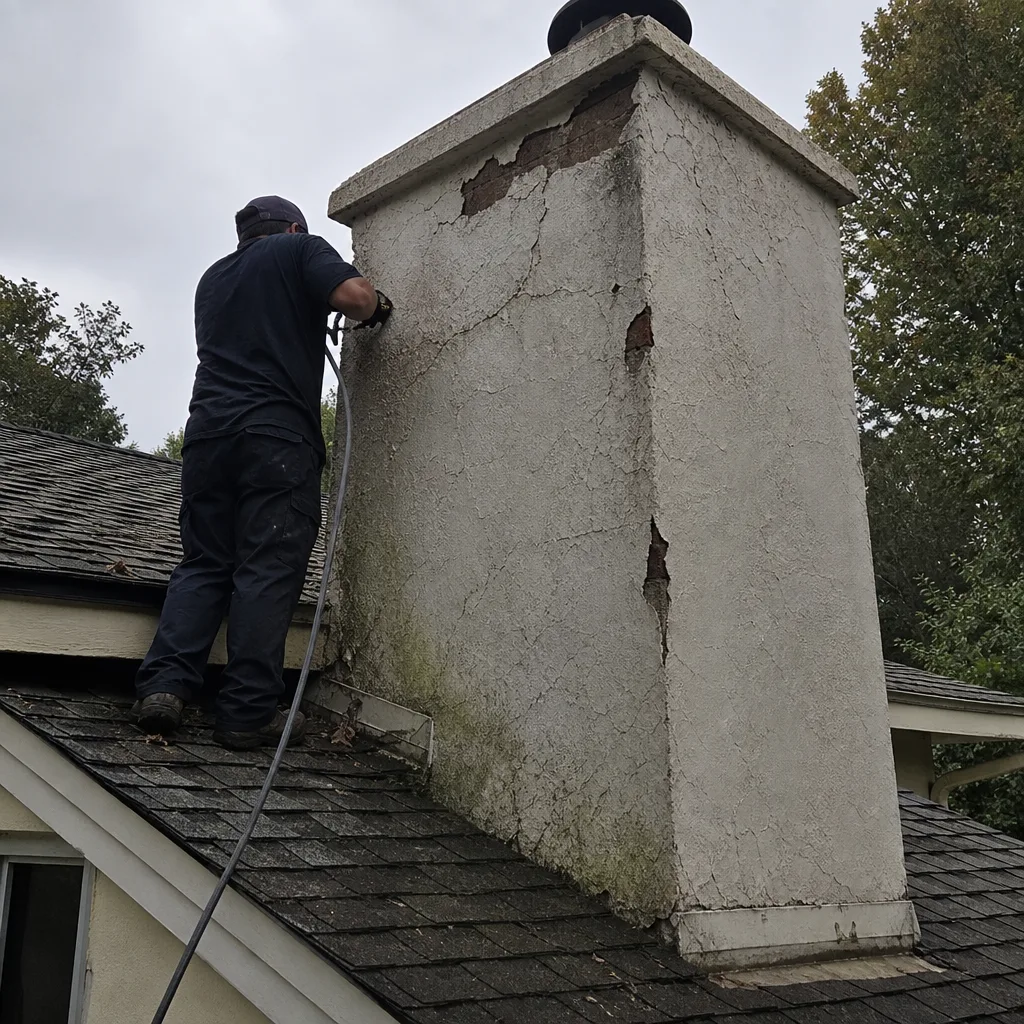 Before
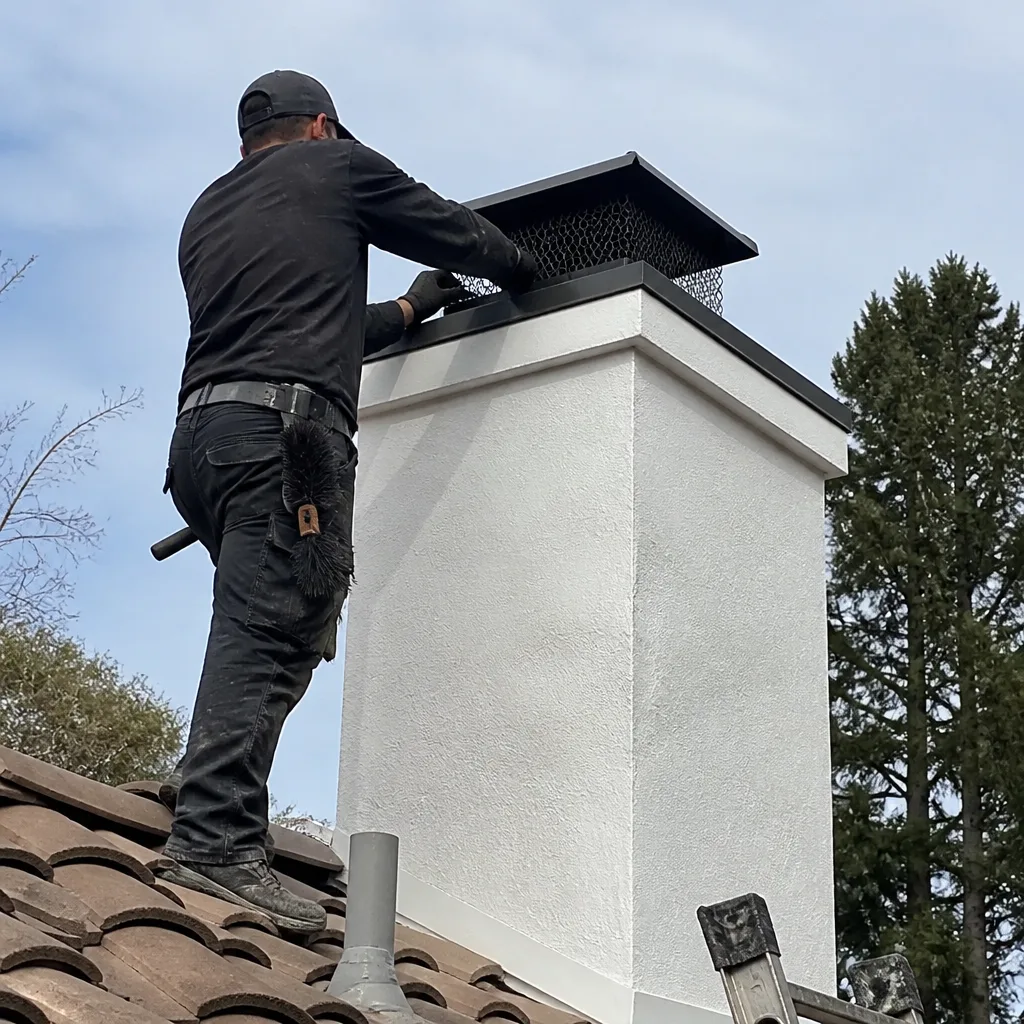 After
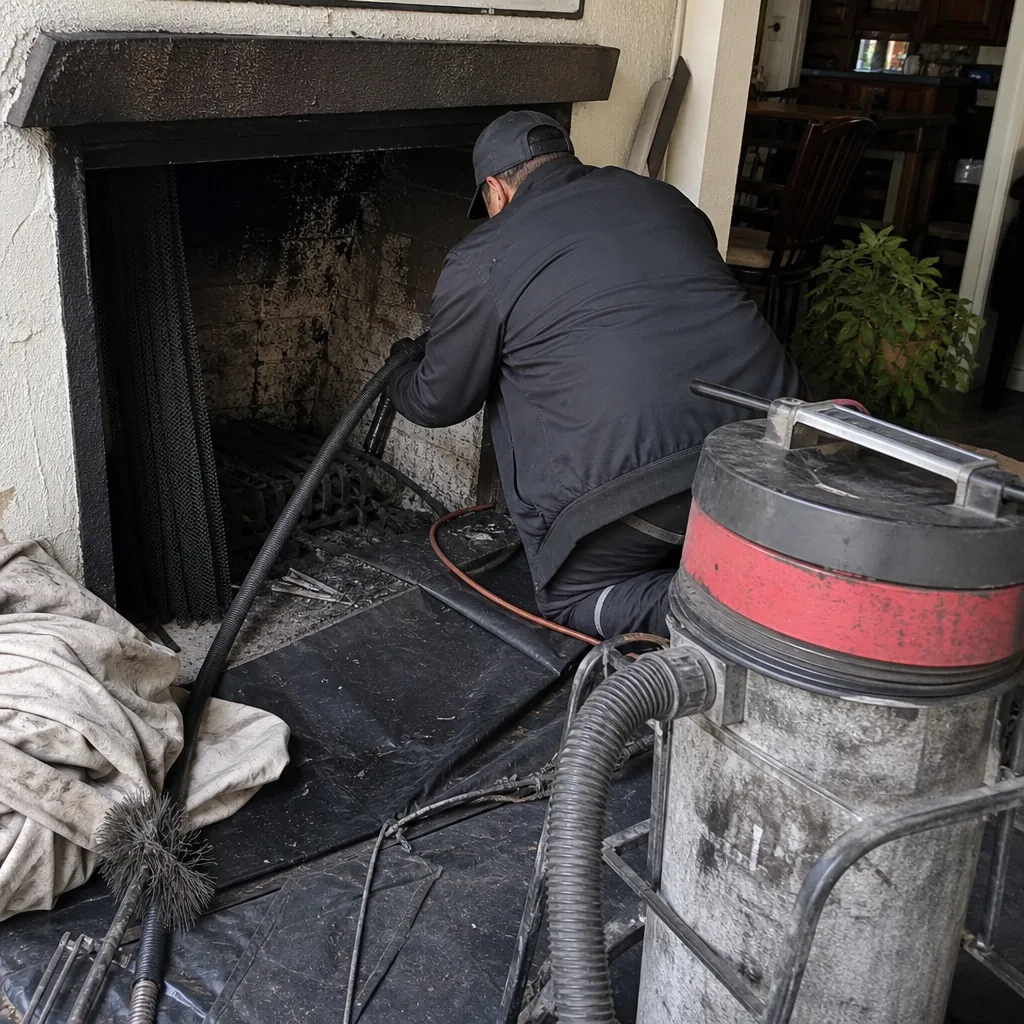 Before
 After
 Before
 After