
Last updated November 2, 2026
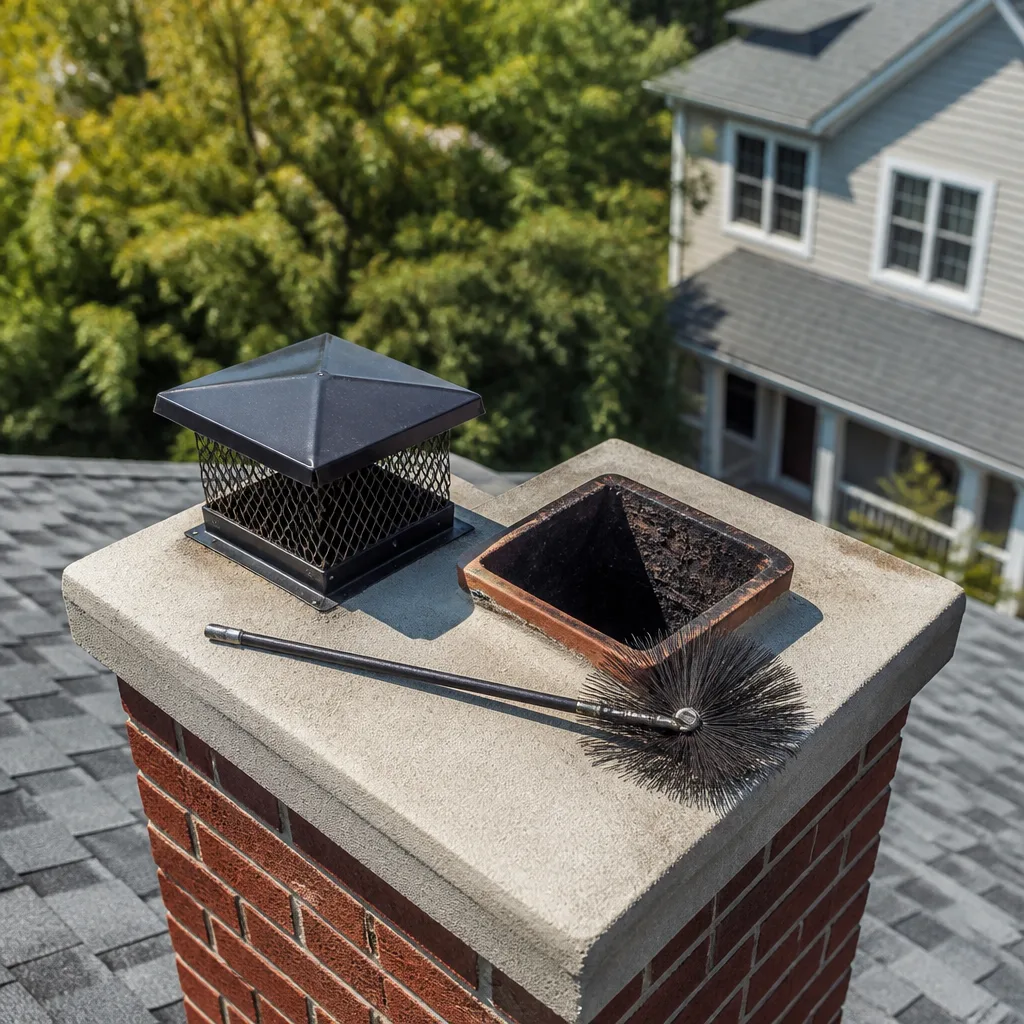 Sweep & inspection
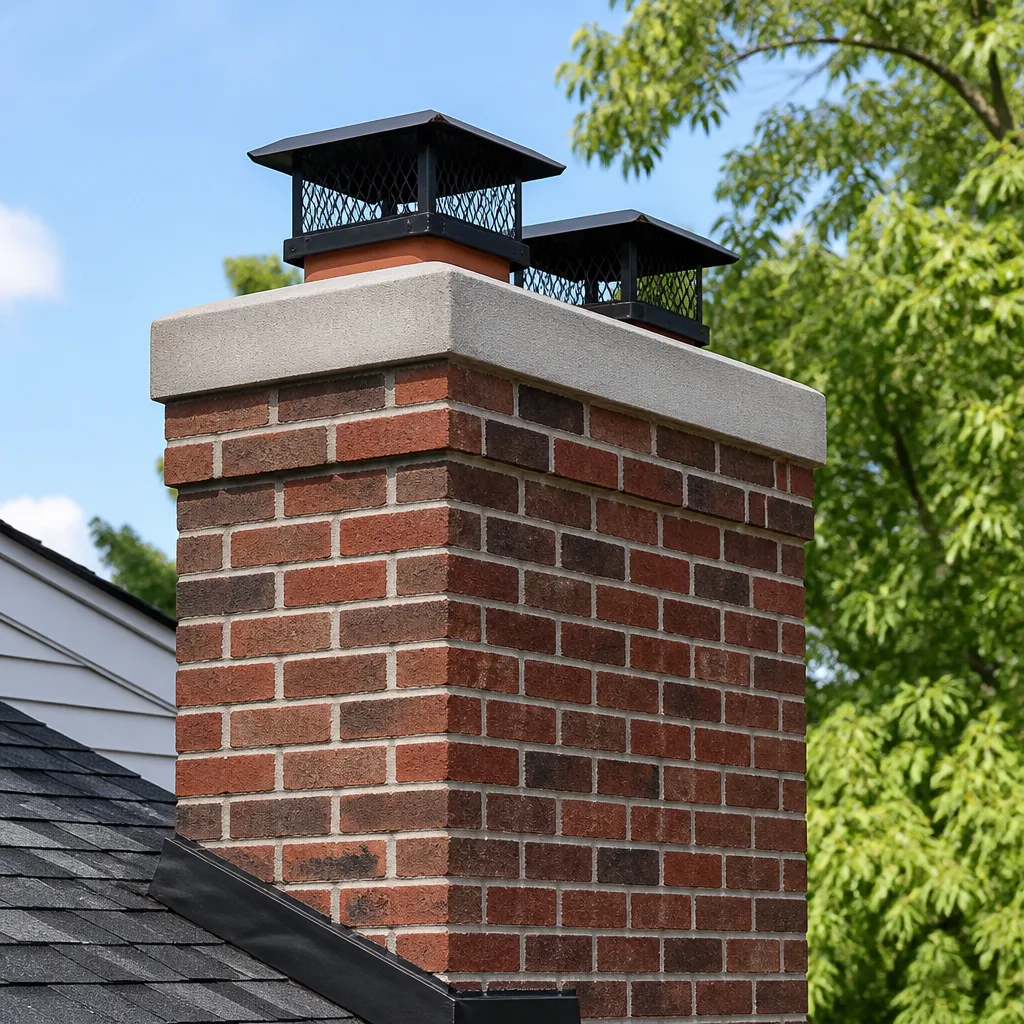 Caps & crowns
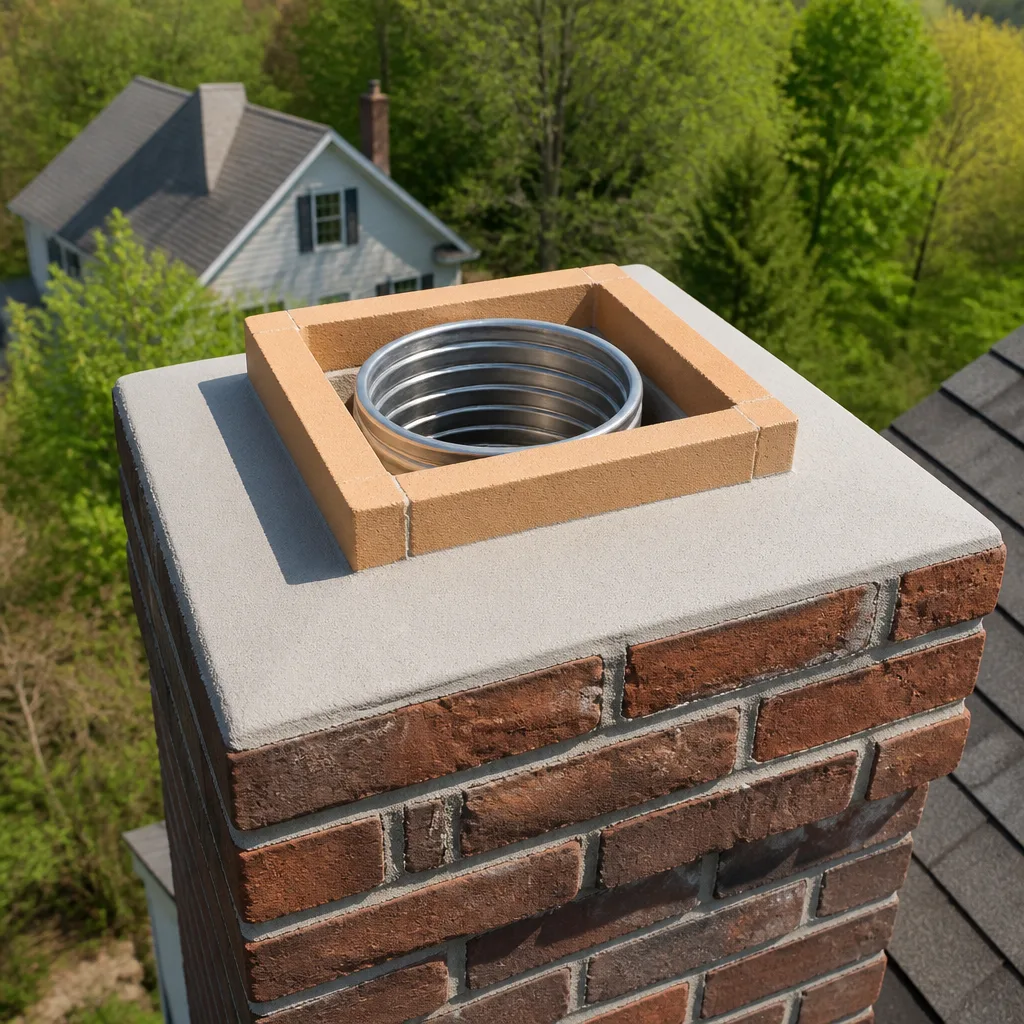 Flue relining
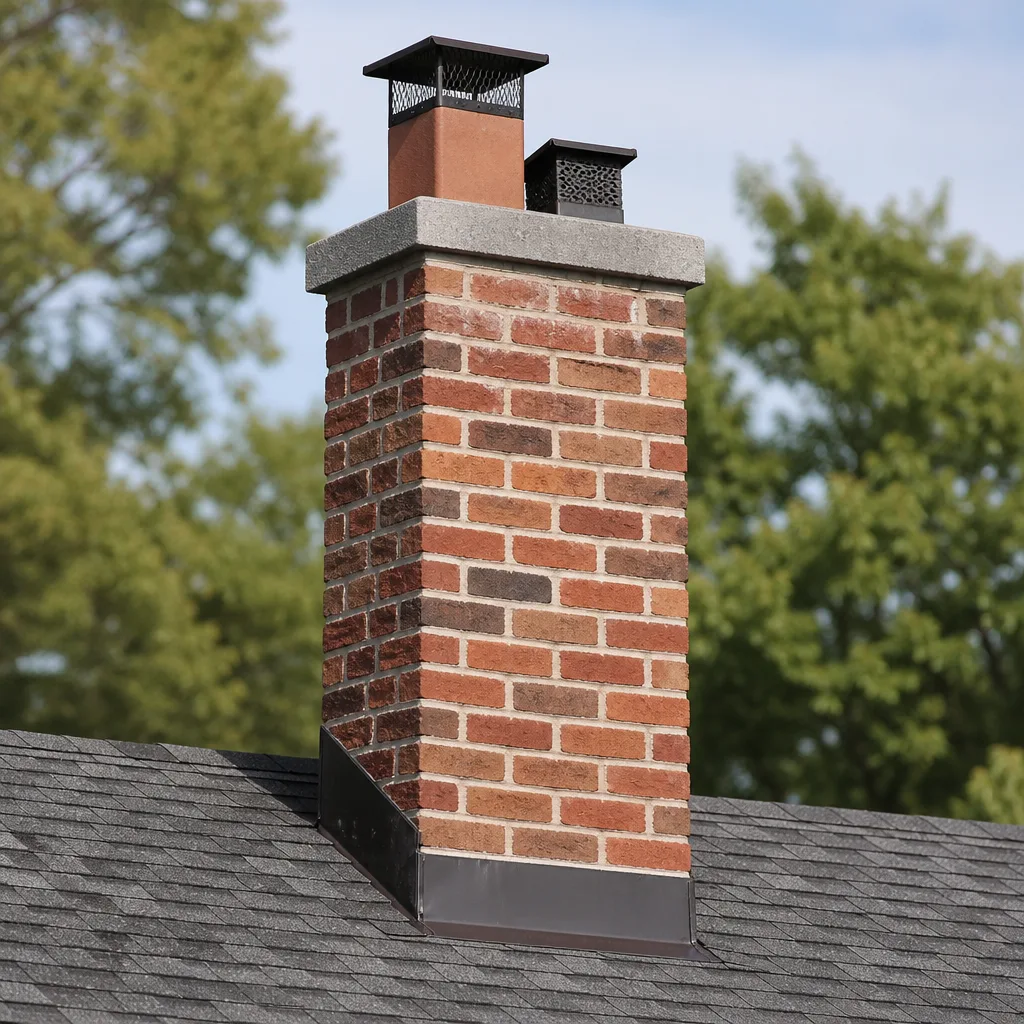 Masonry repair
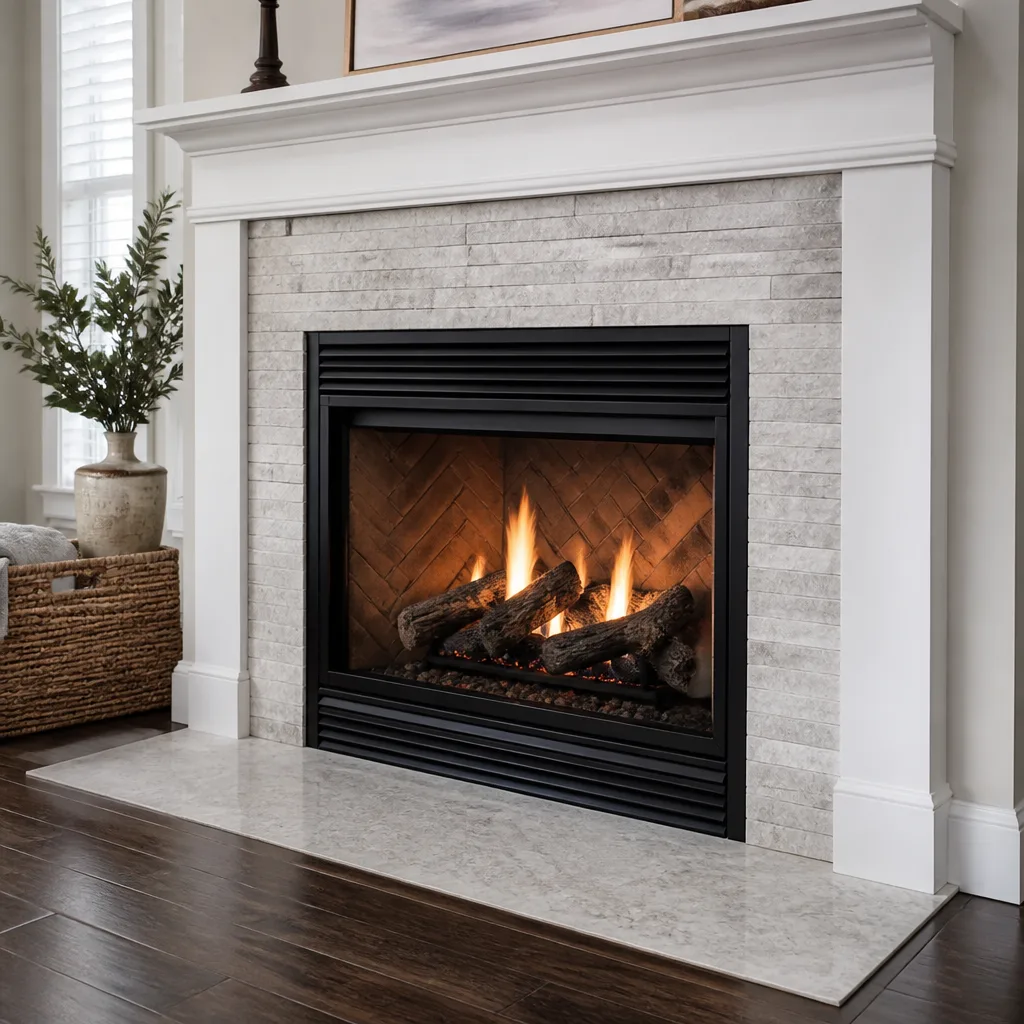 Gas fireplace service
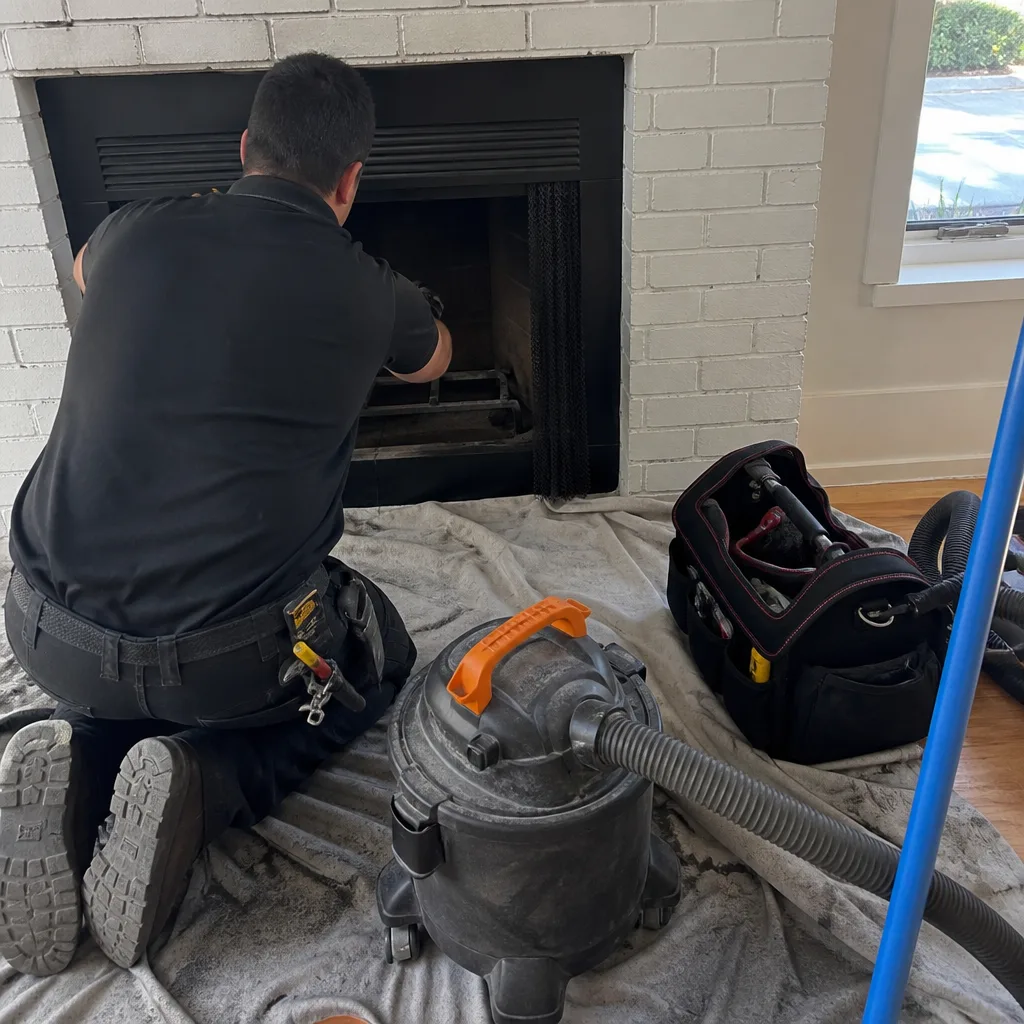
Level 1 sweep and inspection to the NFPA 211 annual standard - flue, crown, cap, and flashing checked and photographed
Chimney sweep logs do not sweep chimneys. They loosen some creosote - which then falls where a brush and vacuum still have to collect it.
Chimney Sweep Maintenance Checklist for Almaden Homeowners
The standard advice is “clean once a year.” But a homeowner who burns three cords of oak a season and one who lights five fires a year need completely different maintenance timelines, and treating them the same is how minor issues become expensive repairs. In Almaden, where wet winters meet wood-burning fireplaces and terracotta rooflines, the right checklist isn’t a calendar reminder. It’s a condition-based schedule that accounts for what you burn, how often you burn it, and what your chimney’s construction materials can tolerate over time. This guide gives you that schedule, the inspections you can do yourself, and the signs that tell you when it’s time to call a professional for our Chimney Sweep services.
Quick Answer
A chimney maintenance checklist for Almaden homeowners should be built around fuel type and burn volume, not just dates. Wood burners who go through more than one cord per season need a sweep after every two cords burned, while occasional users can safely stretch to 18-24 months. Gas fireplace owners should have venting inspected annually, and every Almaden homeowner needs an exterior masonry check after each wet season because freeze-thaw cycles are the leading cause of crown and flashing degradation in this part of the valley.
Styles & brands we work with
- Sweep & inspection
- Caps & crowns
- Flue relining
- Masonry repair
- Gas fireplace service
Table of Contents
- Burn Volume: The Real Trigger for Cleaning Frequency
- Fuel Type and What It Leaves Behind
- Exterior Masonry Checks for Almaden’s Wet-Season Freeze-Thaw
- Damper and Smoke Shelf: Safe Inspection Steps
- Cap, Crown, and Flashing: When Water Resets the Clock
- Logging Service History That Adds Home Value
- Why Your Dryer Vent Belongs on the Same Checklist
- Common Mistakes to Avoid
- When to Call a Professional
- Frequently Asked Questions
Burn Volume: The Real Trigger for Cleaning Frequency
Most chimney service companies repeat the one-year rule because it’s simple to remember and keeps their schedule full. But creosote doesn’t build up on a calendar. It builds up based on how much wood moves through your firebox, how hot it burns, and whether the wood was seasoned properly before you lit it. In Almaden, where winter evenings reliably dip into the 40s and many homes rely on fireplaces as secondary heat from November through February, burn volumes vary widely from house to house.
The metric that actually matters is cord volume. A full cord is 128 cubic feet of stacked firewood, roughly a stack four feet high, four feet wide, and eight feet long. Here’s what we’ve observed across hundreds of Almaden chimneys:
- Under half a cord per season: One sweep every 18 to 24 months is generally sufficient, assuming you’re burning properly seasoned hardwood and your fires run hot rather than smoldering.
- Half a cord to one cord per season: Schedule a sweep once per year, ideally in late summer or early fall before burn season starts.
- One to two cords per season: Sweep twice per year. Once mid-season if you’re burning regularly, and once after you’ve stopped for spring.
- Over two cords per season: You are a heavy burner. Sweep every two cords or every three months, whichever comes first. At this volume, creosote accumulates fast enough to be a genuine fire hazard if ignored.
Fire duration matters too. A long, slow burn at low temperature produces far more creosote than a hot, bright fire that runs two hours and burns clean. If you regularly load the firebox at night and damp it down to keep coals until morning, you’re creating ideal conditions for creosote condensation, even if your total cord count is modest. In our experience, Almaden homes with older masonry fireplaces and no insert tend to have this pattern. The smoke path is long and cools before it exits, which is precisely where the sticky stage-one creosote forms.
Our Chimney Sweep Almaden home guide covers what a professional sweep includes, but the takeaway here is simple: if you’re not tracking your cord volume, start now. A cheap firewood moisture meter, available at any Almaden hardware store, tells you in seconds whether your wood is below 20 percent moisture content. Above that, you’re wasting heat and doubling your creosote production.
Fuel Type and What It Leaves Behind
Not all fires leave the same residue. Oak, almond, and other hardwoods common in Almaden burn hotter and cleaner than softwoods like pine or fir, but they still produce creosote. Softwoods produce more resinous soot that can accumulate faster and catch fire at lower temperatures. If you’ve ever burned a load of pine and noticed that spicy, smoky smell lingering for days, that’s resin. It’s also what deposits on your flue walls.
Manufactured logs, the kind sold at Almaden grocery stores during the holidays, are convenient but deceive many homeowners. They burn hot and fast, which feels efficient, but they don’t burn long enough to heat the flue properly. The result is an accelerated buildup of the same creosote, and in some cases, a wax-like coating that professional brushes struggle to remove. If you burn these regularly, treat them like softwood: schedule sweeps more often, and mention the log brand to your sweep so they know what to expect – see Choosing the Right Chimney Cleaning Brand: A Buyer’s Guide for Almaden for details.
Gas fireplaces need a different conversation entirely. They don’t produce creosote, but they produce acidic condensation that corrodes metal flues, and their venting systems can become blocked by nests, debris, or shifting components. Have the venting inspected every year, even if you only use the fireplace occasionally. A blocked gas vent is a carbon monoxide hazard that operates silently. If your Almaden home has a gas log set in a masonry chimney, the original clay tile liner may be deteriorating from that acidic exhaust. Products like HeatShield resurfacing can restore a clay flue without a full rebuild, and it’s a repair method most sweep-only companies can’t offer because it requires specific training and material access. That’s one reason we carry it. The alternative, a full reline with a DuraFlex stainless system, is the more durable solution for severely compromised flues. The right choice depends on the flue’s condition, not the price tag. A camera inspection settles it conclusively.
Exterior Masonry Checks for Almaden’s Wet-Season Freeze-Thaw
Almaden’s climate is the quiet enemy of chimney masonry. The valley floor gets just enough winter rain and overnight cold to cycle through freeze-thaw conditions multiple times each season. Water soaks into hairline cracks in your chimney crown or the mortar joints of the stack. When the temperature drops at night, that water expands. The crack widens. The cycle repeats, and over three or four winters, what began as a cosmetic gap becomes a structural problem that lets water into your chimney chase, your attic, and eventually your ceiling.
Terracotta tile rooflines, common in older Almaden neighborhoods, make this worse. The tiles don’t fail, but their curved profile funnels water into concentrated channels. If your chimney crown has even a minor crack, water follows that path directly down the flue. The result is staining on your interior masonry, spalling brick faces that flake off in chunks, and rusted damper assemblies.
Here’s the exterior checklist we recommend every Almaden homeowner perform twice a year, once in November before the rain starts and once in March after it ends:
- Inspect the crown from the ground first. Look for visible cracks, missing chunks, or sections that look darker than the rest. Dark areas mean water is pooling and soaking in.
- Walk the roofline for flashing gaps if you can safely do so. The flashing is the metal strip where chimney meets roof. Bent, rusted, or lifted flashing introduces water into the roof deck. Do not climb if you’re not comfortable on a ladder.
- Check your attic after the first heavy rain. Run your hand along the chimney chase interior. Any moisture here means the exterior seal has failed.
- Look for efflorescence. That white, powdery residue on brick faces is salt deposit left when water evaporates from masonry. Efflorescence isn’t dangerous by itself, but it tells you water is moving through the brick, and that movement is what causes spalling.
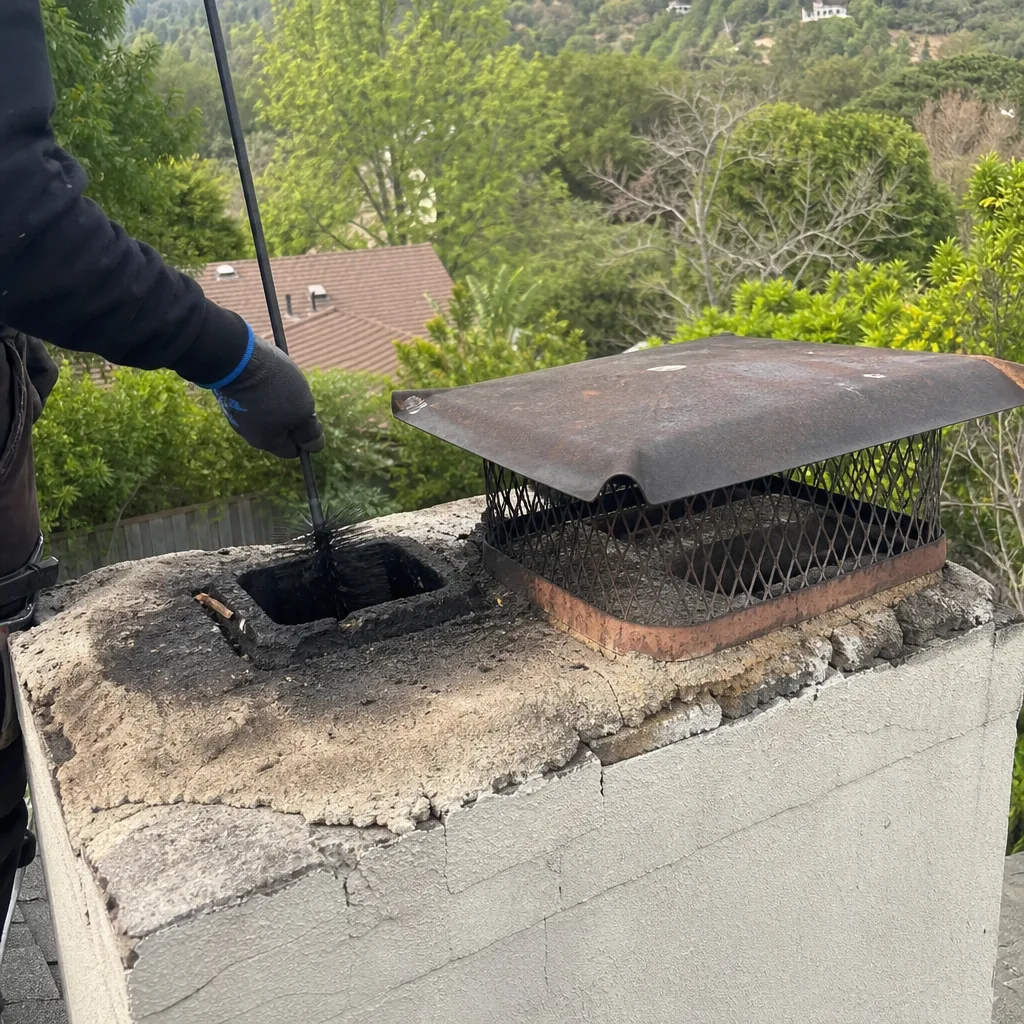
- Note any missing or damaged chimney cap. An uncapped flue in Almaden invites rain, nesting birds, and embers. Caps are simple, but the material matters. A properly sourced cap fits tight and lasts. We source ours through Copperfield and Famco, which gives us access to exact-fit caps rather than the universal hardware-store version that rusts in two winters.
Water damage doesn’t just look bad. It resets your maintenance clock. If water has been entering your chimney for even part of a season, the interior mortar and liner condition from your last sweep’s report is no longer valid. The next step is a camera inspection to see what’s changed inside, followed by whatever repair the evidence supports. Guessing here is how small repairs become five-figure rebuilds.
Damper and Smoke Shelf: Safe Inspection Steps
You don’t need to climb on your roof to check two of the most common culprits in chimney performance problems; for Chimney Sweep Troubleshooting: Common Problems and How to Fix Them, start here. The damper and smoke shelf sit just above your firebox, accessible from inside the home. With a flashlight, a mirror, and normal caution, you can inspect both for obvious issues between professional sweeps. The key word is obvious. You’re looking for changes, not performing maintenance. High-tension springs and throat assemblies can bite. If you see something that doesn’t look right, stop and call a professional.
Here’s how to do it safely:
- Open the damper fully and put on a dust mask. Creosote dust is an irritant. Don’t stir it up unnecessarily.
- Shine the flashlight up through the firebox and angle it toward the throat. You should see the damper plate clearly. If it’s rusted in place, warped, or covered in thick, flaky buildup, that’s a sign of water intrusion or long-overdue cleaning.
- Use a small hand mirror to see the smoke shelf. The shelf sits just above the damper, a flat ledge designed to catch rain and debris. If it’s piled high with creosote flakes, bird droppings, or leaves, it’s time for a sweep regardless of your burn volume.
- Test the damper operation gently. It should move smoothly through its full range. If it sticks, grinds, or won’t seal, don’t force it. Broken damper rods are a common Almaden repair, often caused by years of heat cycling and a little rust.
- Close the damper and leave it closed. A closed damper keeps conditioned air in and rain and animals out. Open it only when you’re ready to burn.
The smoke shelf is also where you’ll see the first visual clue that your chimney needs a deeper look. If you notice a dark, shiny, tar-like residue rather than dry black powder, that’s stage-three creosote. It’s the hardest to remove and the most likely to ignite. At that point, continuing to burn is a risk you shouldn’t take. A professional sweep with the right brushes and chemical treatments can handle it, and in our experience, this is where a full-service company pays off. If that stage-three creosote has also compromised your flue liner, the same team that finds it can repair it, whether that means resurfacing with HeatShield or a full liner replacement. You don’t have to start over with a second contractor.
Cap, Crown, and Flashing: When Water Resets the Clock
Water is the single most destructive force your chimney faces, and in Almaden, it’s a year-round battle. The cap, crown, and flashing are your chimney’s armor against it. When any of those three fails, everything inside degrades faster, including the components that were perfectly clean and intact after your last sweep.
Here’s what to look for on each:
- Chimney cap: The cap sits on top of the flue tile and keeps rain, birds, and debris out. A missing or rusted cap is the most common route for water into the chimney. If you can see through the cap from the ground, or it covers only part of the flue, replace it. A well-fitted cap sourced from Famco or Copperfield will outlast the universal ones that come with a home warranty or a previous owner’s quick fix. In Almaden, where summer temps can top 100 degrees, galvanized steel caps weather fast. Stainless or copper is the better investment.
- Chimney crown: The crown is the concrete slab that caps the masonry stack, not the flue itself. It should slope away from the flue on all sides so water runs off. Most original crowns in Almaden homes built before 1990 were flat, and flat crowns hold water. Cracks, pitting, or missing edges are repair triggers. A crown that’s failing lets water run down the outside of the flue tile, inside the masonry stack, and into the smoke shelf area. Every rain makes it worse.
- Flashing: The flashing is layered sheet metal that bridges the seam between roof and chimney. It’s often the first of the three to fail because it works constantly: expanding in summer heat, contracting in winter cold. When the sealant between layers cracks, water follows the chimney down through the roof deck. Many Almaden homeowners mistake this leak for a roof problem and call a roofer. The roofer patches it. The leak returns. The chimney is the actual route.
The hard truth is this: if water has been entering your chimney for any portion of the year between sweeps, the interior condition recorded at your last visit is no longer accurate. Water accelerates creosote corrosion, breaks down the mortar between flue tiles, and rusts dampers and assemblies. The maintenance clock resets when water gets in. The only way to know where you stand is a camera inspection of the flue interior. That inspection shows exactly what’s going on, and you can see the footage yourself. If the flue is compromised, repairs like a DuraFlex stainless liner or HeatShield resurfacing are visible, verifiable fixes. Nothing gets recommended without the pictures to prove it.
Logging Service History That Adds Home Value
Almaden real estate moves fast. Homes in this area hold value exceptionally well, and buyers are increasingly asking for service records on major systems like furnaces, roofs, and yes, chimneys. A disorganized pile of receipts tells a buyer very little. A simple, consistent log tells them you maintained the home with intention, and that’s worth money.
Here’s the format to use:
- Create a single page per system. One page for the fireplace and chimney, one for the dryer vent, one for anything else you maintain. Keep them in a folder or a cloud document.
- Record the date, the service performed, and the company name. For each sweep, note whether it was a wood-burning or gas system, the cord volume since the last service, and any recommendations the sweep made.
- Attach the invoice, the camera inspection report, and photos. If your flue was resurfaced or relined, note the product used. “Relined with DuraFlex stainless, installed by Chimney Sweep Almaden, date” tells a buyer far more than “chimney fixed.”
- Log every repair, even small ones. A replaced damper, a new cap, a crown repair. Buyers care about the trend, not just the last visit.
- Keep the log with the house at sale. Promote it as a maintenance record in the listing. It’s a quiet signal that the home was cared for, and in Almaden’s competitive market, that matters.
When the time comes to sell, this log answers the two questions buyers always ask: “What’s been done?” and “Who did it?” You’ll have both answers in writing. If the buyer’s inspector flags something, your record shows the repair history and often prevents a renegotiation. That’s real value from a simple habit.
Why Your Dryer Vent Belongs on the Same Checklist
The fire risk in your laundry room is statistically more likely than the one in your fireplace. The NFPA documents dryer vent blockages as a leading cause of residential fires in the United States. Lint, heat, and restricted airflow create a combination that needs only one additional variable, usually a kinked flex hose or a completely clogged vent run, to become a fire. Unlike a chimney fire, which gives some warning signs, a dryer vent fire often starts behind the wall where you can’t see the smoke until it’s already through the drywall.
Almaden homes with laundry rooms located on interior walls face a particular version of this problem. The vent run from dryer to exterior is long, often 15 to 20 feet with multiple elbows, and every foot and bend is a place where lint accumulates. Exterior vents that terminate under eaves or through a tile roof are also more likely to collect nesting material from birds who find the warm, sheltered opening attractive. Add the occasional use of flexible foil duct, which Almaden builders commonly installed in the 1980s and 1990s, and you have a recipe for restricted flow.
Here’s the condition-based rule for dryer vents: if your dryer takes two cycles to dry a load that used to take one, the vent is already restricted. Lint buildup doesn’t announce itself any other way. The solution is a professional cleaning with rotary brushes sized to your vent diameter, followed by an airflow check. This is a dedicated service, not an afterthought add-on, and it belongs on the same maintenance checklist as your chimney sweep. We routinely find homes in Almaden where the fireplace has been maintained regularly but the dryer vent hasn’t been touched in a decade. Your fireplace and your dryer vent, both fire risks, both covered.
For a deeper look at vent safety, see our Dryer Vent Cleaning in Downtown San Jose page, which covers the same approach for homes in the city core.
Common Mistakes to Avoid
- Waiting for a visible problem before calling. By the time you see smoke backing into the room, smell a campfire odor all summer, or notice water stains on the ceiling, the chimney has already sustained damage that costs more to fix than all the missed sweeps combined.
- Burning unseasoned wood from a big-box store. Kiln-dried doesn’t always mean properly seasoned. Check moisture content with a meter. Anything above 20 percent is a creosote factory.
- Using a universal hardware-store chimney cap. These caps rust, warp, and rarely fit Almaden’s terracotta flue tiles correctly. A proper cap sourced through a trade supplier costs modestly more and lasts years longer.
- Skipping the exterior check because the interior scan came back clean. They inspect different things. The interior scan sees the flue; the exterior check sees water entry, flashing gaps, and crown deterioration. Both matter.
- Ignoring a small water stain on the ceiling near the chimney. In Almaden’s wet season, that stain is rarely coincidence. It means water is entering somewhere, and by the time it shows inside, it’s already traveled through the chimney chase.
- Treating a gas fireplace as maintenance-free. Gas systems need vent inspections for blockages and corrosion. Carbon monoxide accumulates quietly. The annual cost of an inspection is negligible compared to the risk.
- Cleaning out the firebox and calling it done. The firebox is where the fire happens, but the flue is where the creosote accumulates. Cleaning visible surfaces while ignoring the flue interior is cosmetic maintenance on a system that needs structural attention.
When to Call a Professional
Some chimney work is genuinely dangerous. High-tension damper springs can injure hands. Creosote removal on stage-three buildup requires chemical treatments and professional rotary brushes. Flue repairs and relining involve heights, specialized materials, and building code knowledge that simply aren’t DIY territory. If your inspection turns up thick, shiny creosote, a rusted damper, visible crown cracks, water staining, or a missing cap, stop there. Book a professional inspection. The cost of a camera scan is a fraction of what waiting will eventually cost.
Chimney Sweep Almaden offers free estimates in Almaden. We handle the sweep, the camera inspection, and the repair under one roof, from Downtown San Jose to the Almaden foothills. If you’re inside the city limits and dealing with masonry issues, our Chimney Repair in Downtown San Jose page covers what full-service repair looks like. Call (833) 593-6691 to schedule, and ask for the camera inspection. You should see what we see.
Frequently Asked Questions
For wood-burning fireplaces, sweep after every one to two cords of wood burned, which for most Almaden homeowners works out to once per year. Heavy burners who go through two cords or more in a season should sweep twice annually. Gas fireplaces need a venting inspection every year regardless of how often you use them.
A standard chimney sweep in Almaden typically runs between $180 and $340, depending on the level of buildup, the height of the roof, and whether a camera inspection is included. Wood burning with heavy creosote may require additional chemical treatment. Exact pricing depends on what the camera shows, and you should ask for the inspection footage before approving any repair recommendation. Call (833) 593-6691 for a free estimate, and expect to see the evidence yourself.
Brick condition on the exterior tells you nothing about flue condition on the interior. Cracked or missing mortar between clay flue tiles can exist behind a perfectly intact masonry stack. The only way to know is a camera scan. HeatShield resurfacing can restore a compromised clay liner, and DuraFlex stainless relining is the durable option for structurally failed flues. Both require a camera image to justify.
Creosote accumulates faster than most people expect, and water entry compounds the damage from the outside. Within two to three unmaintained winters in Almaden, a chimney can develop cracked crowns, spalling brick faces, and stage-three creosote that is both a fire hazard and a removal challenge. The repair cost at that point is far higher than the cost of regular sweeps. If you’ve deferred maintenance, start with a camera inspection to see exactly where you stand.
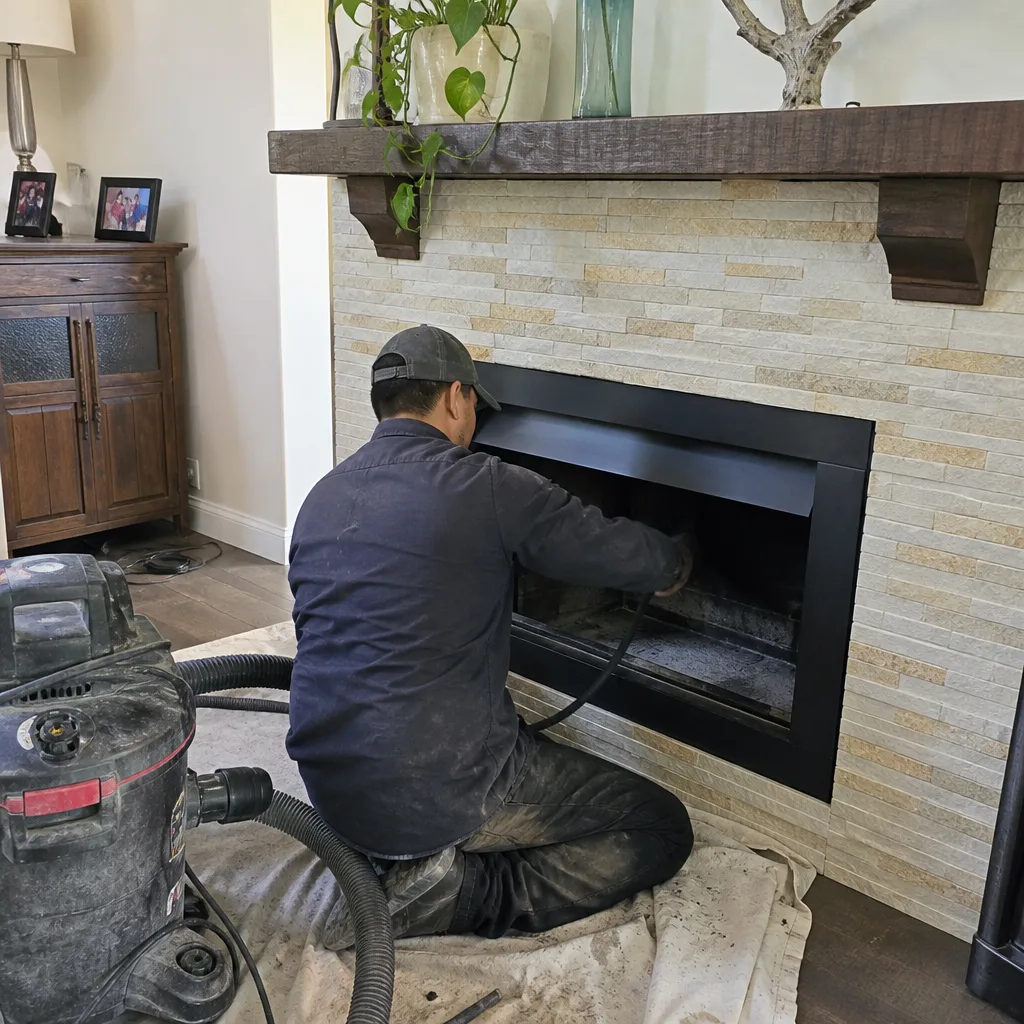
You can handle firebox cleaning with a hearth vacuum and brush, but flue sweeping from the roof involves heights, ladder safety, and professional rotary equipment. If you attempt it, use a proper chimney brush sized to your flue, never a wire brush on a drill, and never try to remove stage-three creosote yourself. The risk isn’t just the fall. It’s turning a contained buildup into an airborne dust problem that coats your entire home. For most homeowners, the cost of a professional sweep is cheaper than the equipment, the time, and the risk combined.
Vacuuming the first few feet of the vent run helps, but the lint that causes fires accumulates at the far end and in the elbows, where a household vacuum can’t reach. Professional rotary brushes run the full length of the vent and remove the compacted lint. If your dryer takes two cycles to dry a load, your vent is already restricted. Up to 80 percent of dryer fires are preventable with regular professional vent cleaning, according to NFPA documentation.
The Bottom Line
A chimney maintenance checklist that works for Almaden homeowners is built on conditions, not dates. Track your cord volume. Watch your fuel type. Inspect your exterior masonry after every wet season. Check your damper and smoke shelf between professional visits. And if water has gotten in, treat your last sweep’s report as expired. The pattern is simple: maintenance that follows actual use costs less than maintenance that follows a calendar, and the homeowners who keep good records are the ones who pay for small fixes instead of major rebuilds. Find more guides & resources on our blog. If you’re in Almaden and ready for a real assessment, call Chimney Sweep Almaden at (833) 593-6691. We’ll show you the camera footage, and you can decide with evidence, not guesswork.
Written by the team at Chimney Sweep Almaden, serving Almaden since 2017.
See the difference
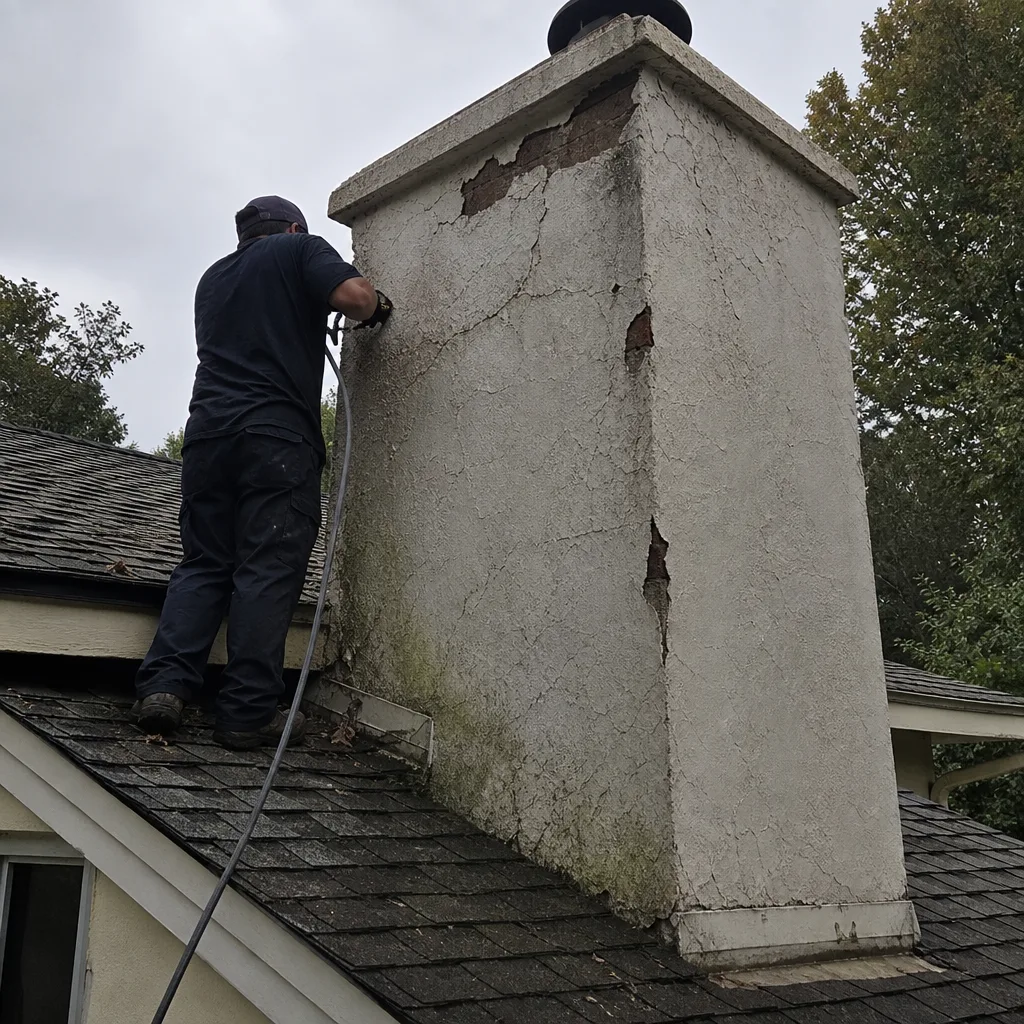 Before
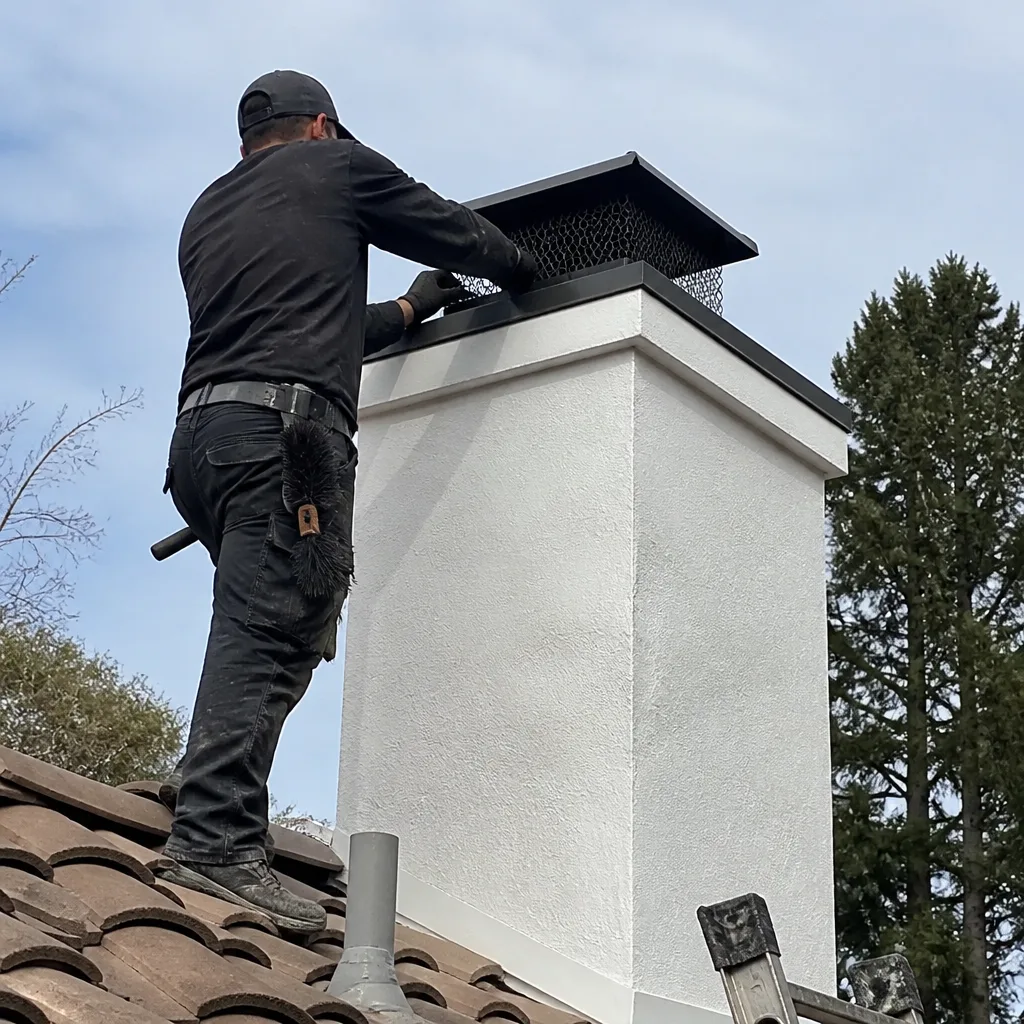 After
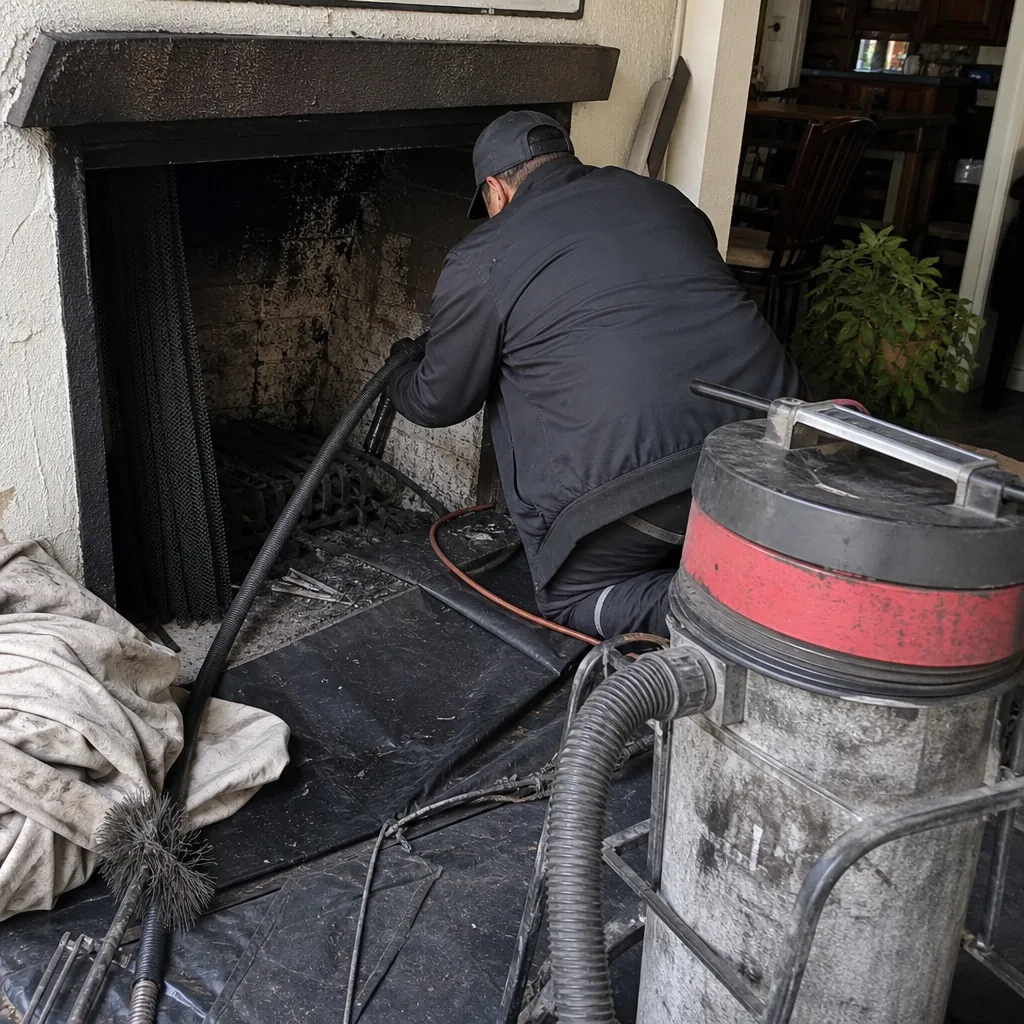 Before
 After
 Before
 After