
Last updated November 2, 2026
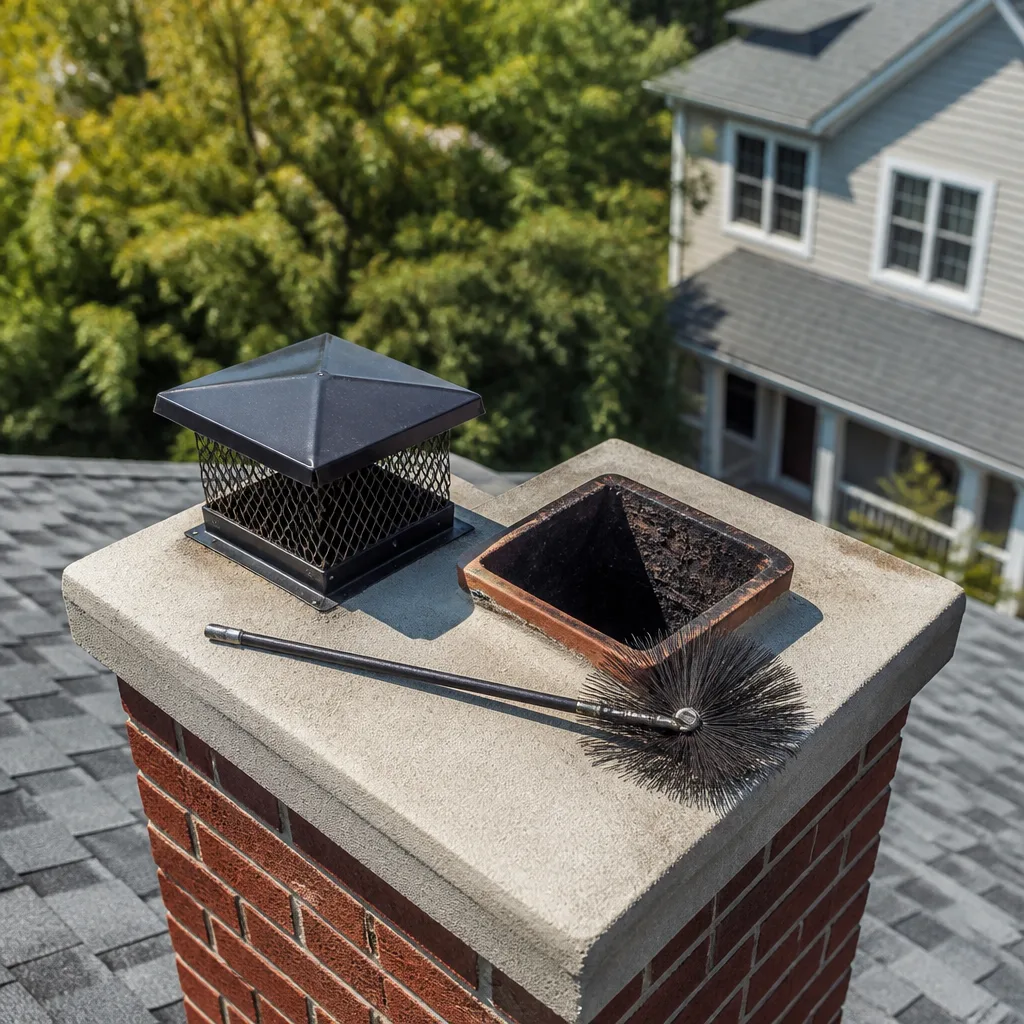 Sweep & inspection
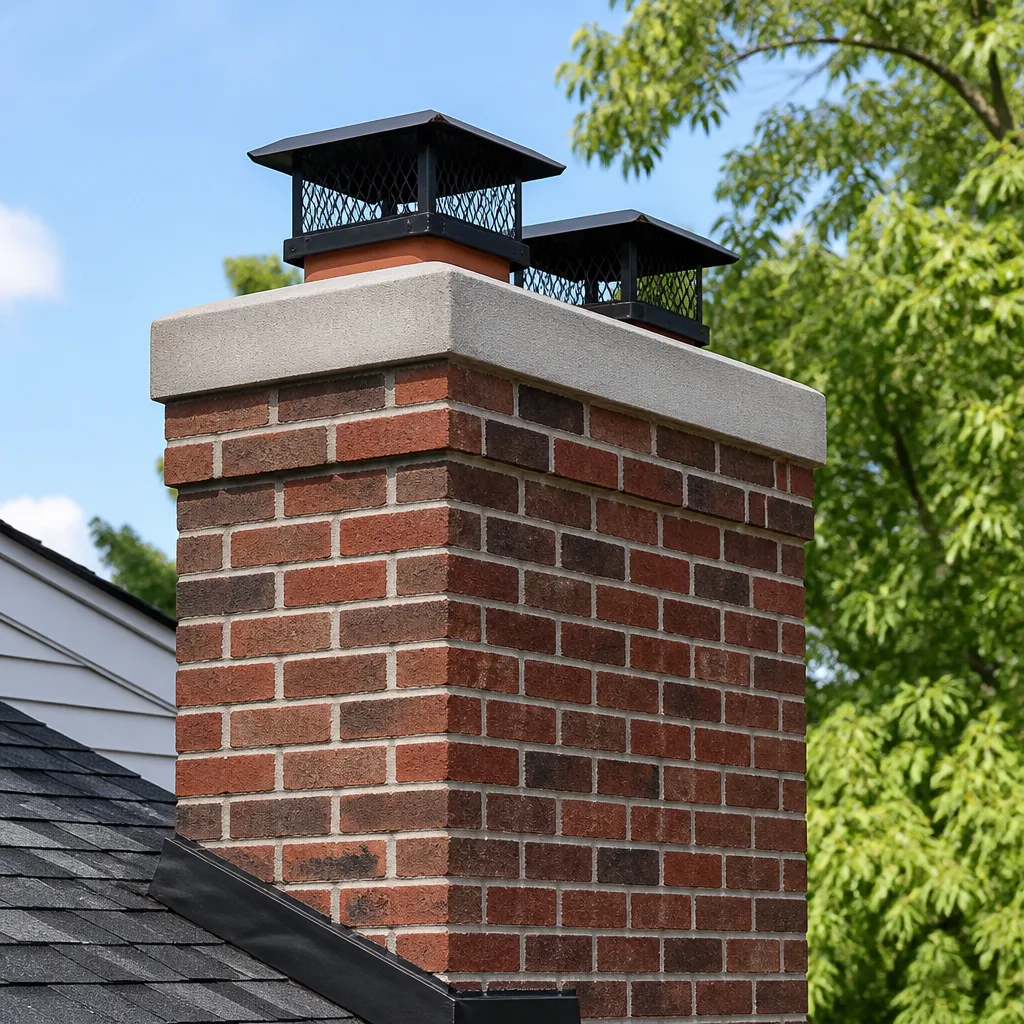 Caps & crowns
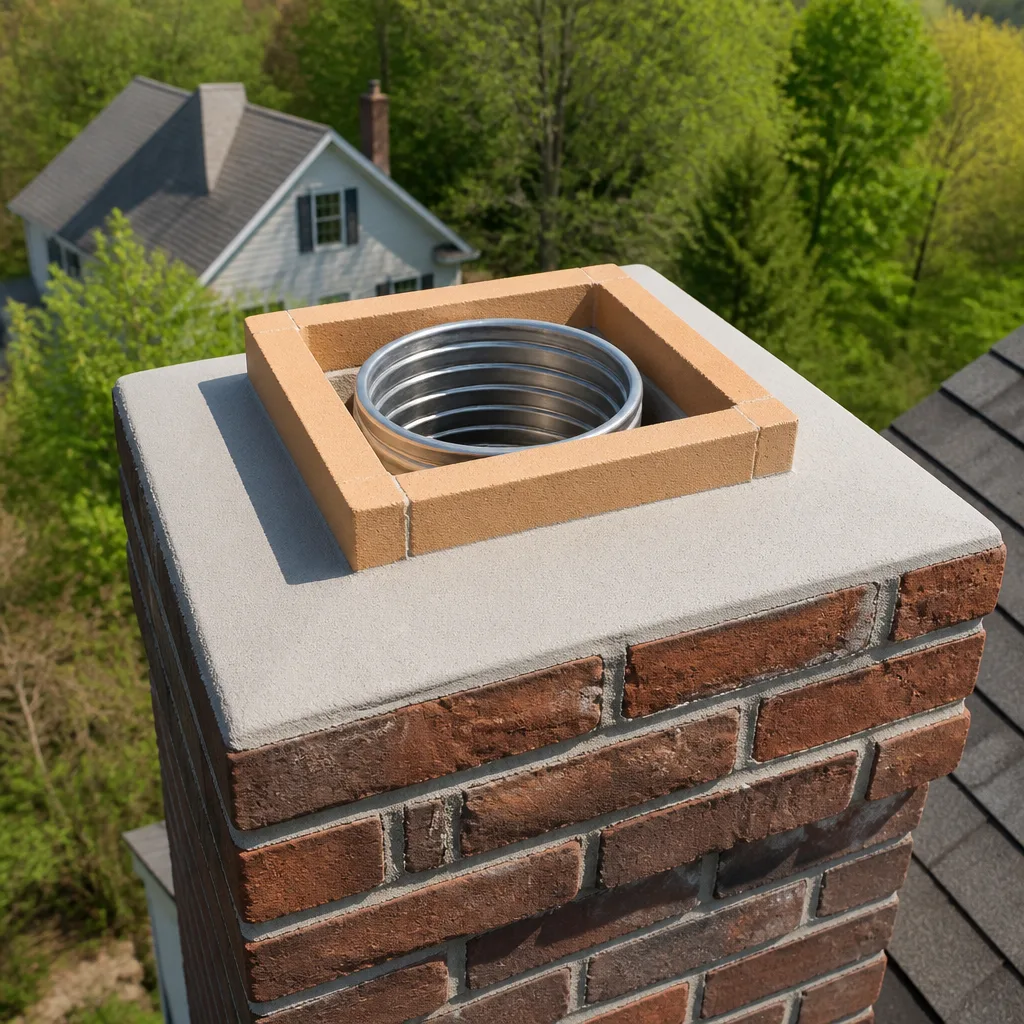 Flue relining
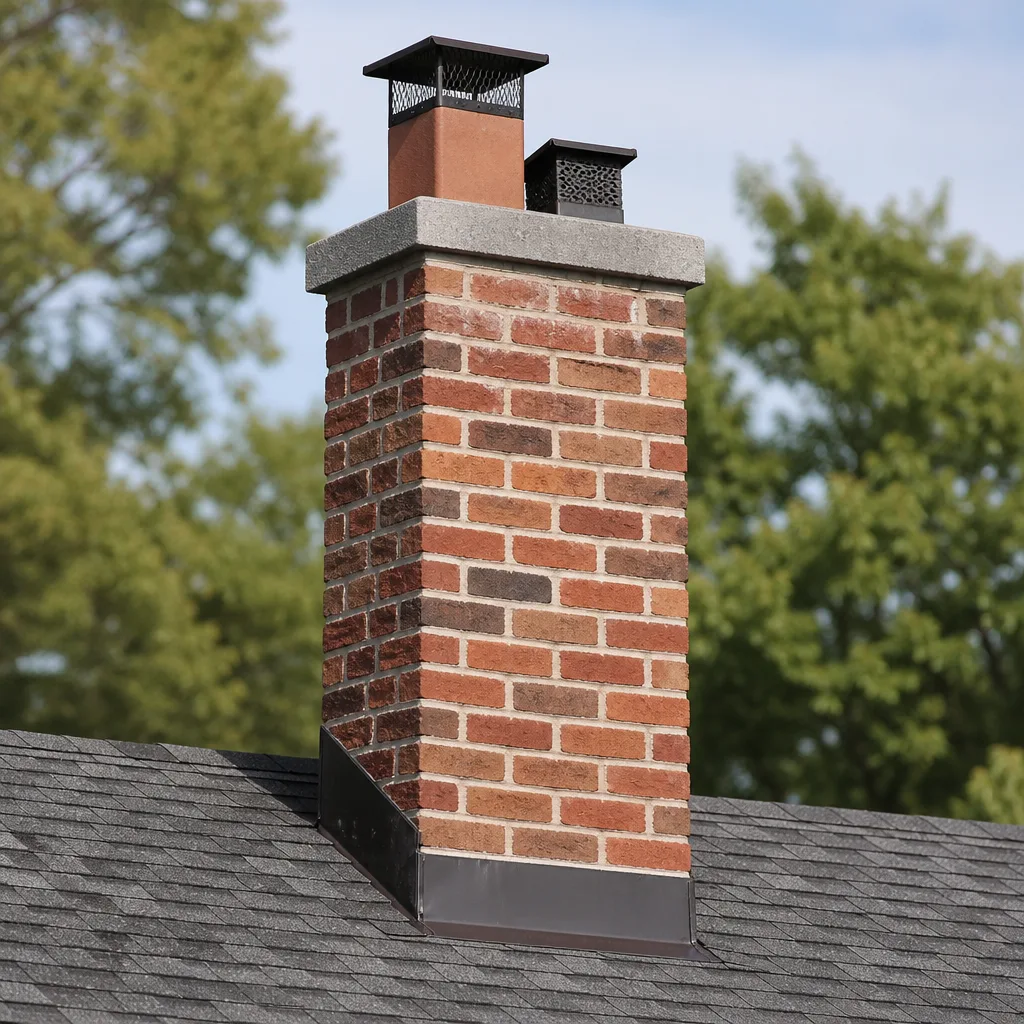 Masonry repair
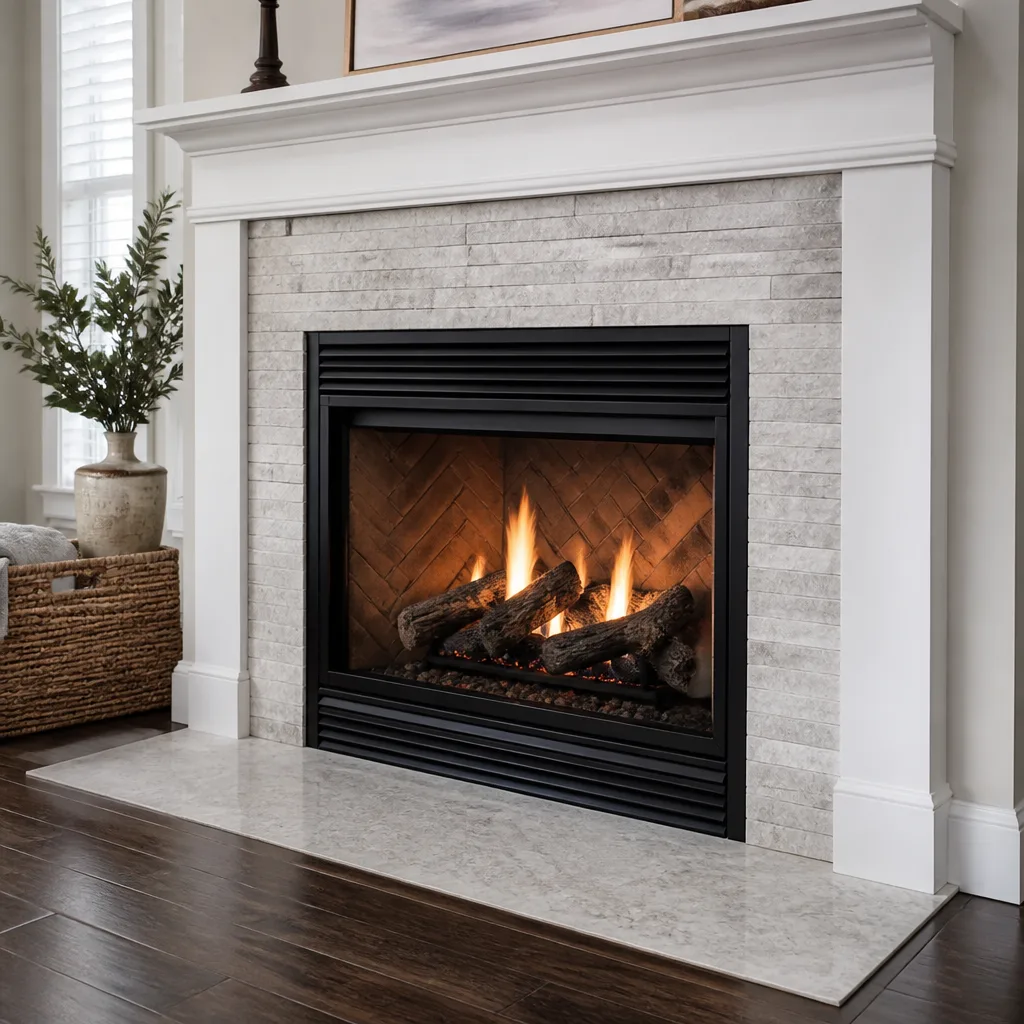 Gas fireplace service
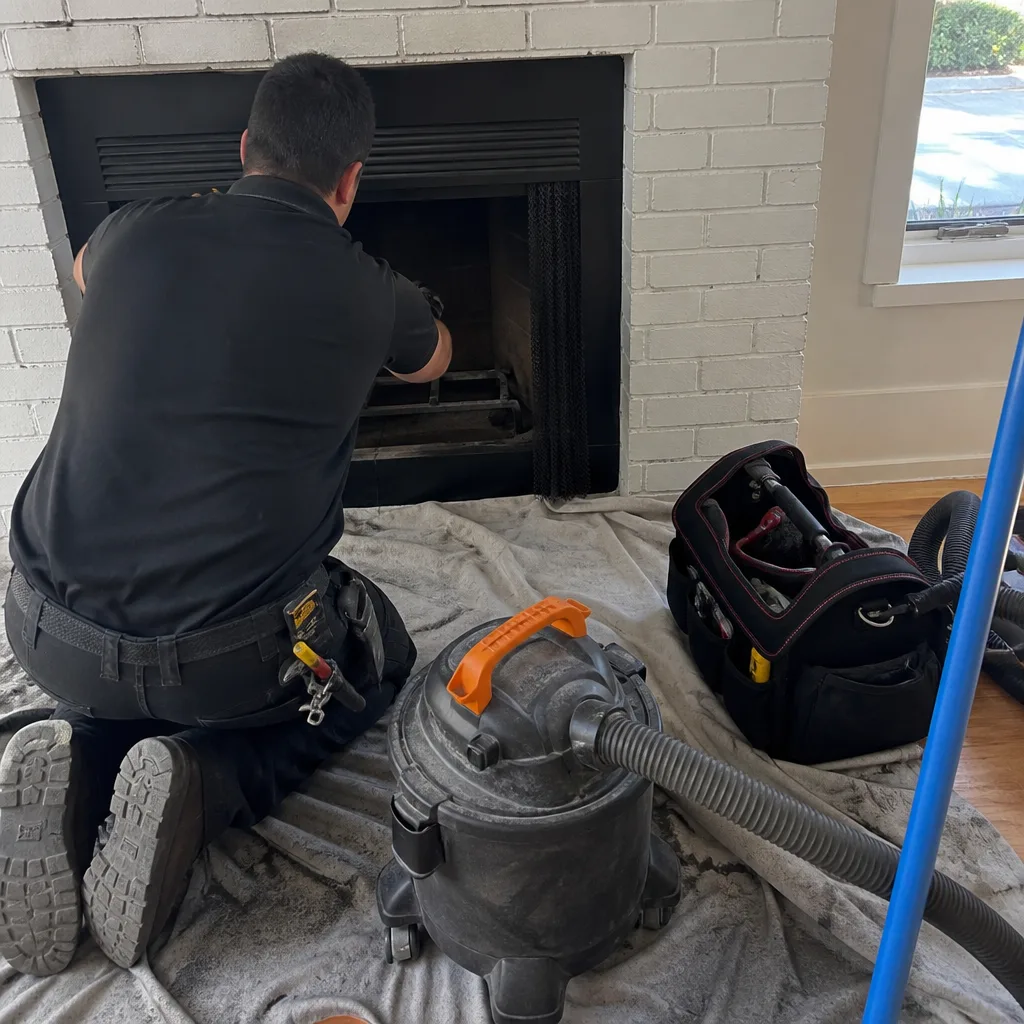
Level 1 sweep and inspection to the NFPA 211 annual standard - flue, crown, cap, and flashing checked and photographed
Chimney sweep logs do not sweep chimneys. They loosen some creosote - which then falls where a brush and vacuum still have to collect it.
Chimney Cleaning Warning Signs: An Almaden Homeowner’s Reference Guide
A campfire smell in your living room on a warm Almaden afternoon when the fireplace hasn’t been used in weeks isn’t nostalgia. It’s negative air pressure pulling draft down through a creosote-coated flue, and it means your chimney needs attention before you light another fire. What makes chimney deterioration so deceptive is that the early warning signs are subtle sensory shifts: a faint odor, a whisper of draft, a discoloration you almost didn’t notice. By the time the problem announces itself, it’s usually been developing for more than one season. This guide walks you through what to look for, what to smell for, what to listen for, and most importantly, what’s urgent versus what can wait a few weeks. For more guides & resources, see our blog. If you own a home anywhere from the Almaden Valley foothills to the neighborhoods flanking Almaden Expressway, this reference will help you separate real warning signs from normal fireplace behavior.
Quick Answer
Chimney cleaning warning signs in Almaden homes fall into four categories: persistent odors (especially campfire or musty smells when the fireplace is cold), visible creosote buildup or staining, draft problems that worsen over time, and water intrusion marks on ceilings, walls, or exterior masonry. Any one of these warrants a professional inspection. If you notice a strong acrid or sulfuric smell, hear animals in the flue, or see staining spreading after rain, stop using the fireplace immediately and call a chimney specialist.
Styles & brands we work with
- Sweep & inspection
- Caps & crowns
- Flue relining
- Masonry repair
- Gas fireplace service
Table of Contents
- The Odor Profiles: What Different Smells Actually Mean
- Visual Signs: Firebox Interior vs. Exterior Masonry
- Why a Weaker Draft Is a Measurable Problem, Not Your Imagination
- Staining Patterns That Point to Specific Leak Sources
- Severity Framework: Monitor, Schedule, or Stop Using Now
- How Almaden’s Climate Accelerates Chimney Wear
- Gas Fireplace Warning Signs Most Homeowners Miss
- The Dryer Vent Connection Most Chimney Guides Skip
- Common Mistakes to Avoid
- When to Call a Professional
- Frequently Asked Questions
The Odor Profiles: What Different Smells Actually Mean
Your nose is the most underrated diagnostic tool in chimney maintenance. Different odor profiles correspond to different failure modes, and learning to distinguish them can tell you whether you’re dealing with a routine cleaning issue or a structural problem that needs immediate attention.
Smoky-cold: The most common warning sign
A cold campfire smell that lingers when the fireplace hasn’t been used is the classic signature of creosote accumulation. Creosote is a byproduct of wood combustion that condenses on flue walls as smoke cools during its rise. In Almaden homes, where many fireplaces were built in the 1960s through 1980s alongside the valley’s residential expansion, flue dimensions and construction vary widely. Older masonry chimneys often have rougher interior surfaces that trap creosote more readily than modern stainless liners. When humidity rises, particularly during Almaden’s foggy winter mornings or after rain, creosote absorbs moisture and releases that smoky scent into the living space. The fix is usually straightforward: a thorough chimney sweep. But if the smell persists after cleaning, the creosote may have penetrated the flue liner itself, which points toward resurfacing rather than simple brushing.
Musty or earthy: Moisture, not smoke
A musty, basement-like odor from the fireplace area almost always signals water intrusion. The source could be a cracked chimney crown, failed flashing at the roofline, or a missing or damaged chimney cap. In Almaden, where winter rains arrive in concentrated bursts between extended dry spells, the expansion and contraction cycle on masonry is particularly punishing. Small cracks that open during dry summer months become water channels when the first atmospheric river moves through. That musty smell is mold or mildew growing inside the flue or in the throat of the fireplace, fed by moisture that has nowhere to evaporate. This is not a cleaning-only problem; the water entry point must be identified and sealed, otherwise you’ll be sweeping and re-sweeping a chimney that keeps getting wet.
Acrid or chemical: A combustion problem
An acrid, sharp smell that burns your nostrils is different from the soft smokiness of creosote. It often indicates that combustion byproducts are not fully venting and are instead backing up into the living space. This can happen when a flue is partially obstructed by creosote, a bird or squirrel nest, or even a failed liner section that has collapsed inward. In gas fireplaces, an acrid or sulfur-like odor can point to incomplete combustion from clogged burner ports or insufficient draft. Treat any acrid smell as urgent: carbon monoxide is odorless, but the compounds that accompany incomplete combustion are not, and their presence means venting is compromised. Stop using the fireplace and schedule an inspection before the next use.
Sulfuric or rotten-egg: A gas-specific warning
Natural gas is odorized with mercaptan, which gives it that distinctive rotten-egg smell. If you detect this around a gas fireplace or gas log set, you may have a gas leak at a fitting, valve, or connection point. Shut off the gas supply to the fireplace if you can do so safely, ventilate the room, and call both your utility provider and a chimney professional who works on gas venting systems. At Chimney Sweep Almaden, we treat gas leak indicators as the highest-priority service calls because the risk profile is fundamentally different from routine creosote buildup.
In our experience serving Almaden homeowners, the smoky-cold smell is what most people call about, but the musty smell is what most people should call about sooner. Water damage compounds quickly in masonry, and a $200 repair in November becomes a $2,000 relining project by March if ignored.
Visual Signs: Firebox Interior vs. Exterior Masonry
Visual inspection splits into two distinct zones, each telling a different story about your chimney’s health. The firebox interior reveals what’s happening with combustion and draft. The exterior masonry reveals what’s happening with water and structural integrity. Almaden homes, particularly those in the older neighborhoods south of Camden Avenue and east of Almaden Lake, often have chimneys that have weathered decades of valley temperature swings, and each zone shows its own signature wear patterns.
Inside the firebox: What to look for
- Shiny, tar-like deposits: Third-degree creosote presents as a glossy, hardened glaze on flue walls. This is the most dangerous form because it’s highly combustible and resistant to standard brushing. It typically requires chemical treatment or professional-grade rotary cleaning methods.
- Flaking or spalling firebrick: When firebrick surfaces start shedding thin layers or crumbling at the edges, the refractory material is failing. This exposes the masonry behind it to direct flame and heat stress.
- White efflorescence on interior surfaces: White, powdery deposits indicate water has been moving through the masonry. Efflorescence inside the firebox means the chimney is wet from inside, not just on the surface.
- Rust on the damper or firebox components: Metal parts should not rust inside a properly functioning chimney. Rust means moisture is present regularly, either from water intrusion or from condensation caused by poor draft.
- Soot accumulation beyond normal use: A thin layer of soot after a season of burning is normal. Thick, fluffy soot depositsthat build up after just a few fires suggest incomplete combustion, often from burning unseasoned wood or from a flue that’s undersized for the fireplace opening.
Outside the chimney: Exterior masonry signs
- Spalling brick faces: When brick surfaces pop, flake, or lose their outer layer, freeze-thaw cycling is usually the culprit. Water penetrates the brick, expands and contracts with temperature changes, and the face eventually shears off.
- Stair-step cracks in mortar joints: Cracks that follow the mortar joints in a staircase pattern indicate foundation movement or chimney settlement. These are structural, not cosmetic, and should be evaluated before water makes them worse.
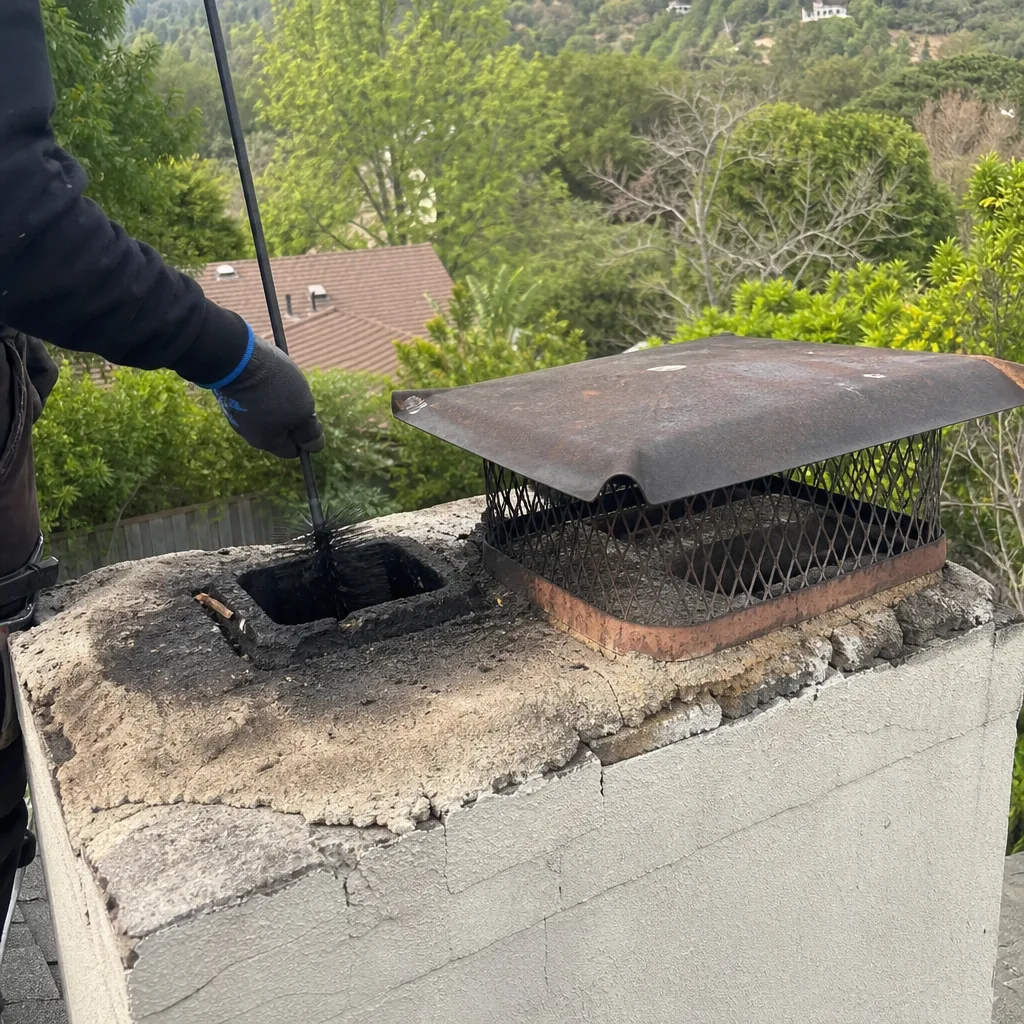
- Deteriorating crown surface: The concrete crown at the top of the chimney is your first line of defense against rain. If it’s cracked, pitted, or missing pieces, water getsdirectly into the chimney structure. In Almaden’s climate, where a few inches of rain can fall in 48 hours, a failed crown is a fast path to interior damage.
- Missing or damaged chimney cap: A cap without a proper spark arrestor screen lets rain, birds, squirrels, and debris enter the flue. Olympia Chimney and Copperfield both manufacture caps we regularly install, and the difference between a properly fitted cap and a hardware-store universal cap is measurable in how well it holds up to Almaden’s wind patterns.
The key difference between interior and exterior signs is this: interior signs tell you what’s already happening inside the system, while exterior signs tell you what’s about to happen. Catching exterior degradation early prevents interior damage entirely. That’s why we always recommend homeowners glance at their chimney crown and cap a few times a year, especially after heavy storms.
Why a Weaker Draft Is a Measurable Problem, Not Your Imagination
“The fireplace just doesn’t draw like it used to” is one of the most common comments we hear from Almaden homeowners, and they often say it apologetically, as if they’re describing a feeling rather than a condition. But draft is physics, not perception. It’s governed by temperature differential, flue dimensions, air pressure, and obstructions. When draft weakens, something measurable changed.
- Creosote narrowing the flue diameter: As creosote builds up, it reduces the effective cross-section of the flue. A six-inch flue with a half-inch of creosote buildup has lost about 15% of its diameter and roughly 30% of its cross-sectional area. The draft weakens correspondingly.
- Negative pressure from modern home sealing: Almaden homeowners who’ve upgraded windows, added insulation, or sealed ducts have changed the air pressure dynamics of their homes. Tighter homes create stronger negative pressure when exhaust fans, dryers, or furnace blowers run, which can overpower the chimney’s natural draft and pull smoke into the room instead of up the flue.
- Partial obstructions: A partially collapsed flue tile, a bird’s nest, or a collection of leaves and debris can restrict airflow without fully blocking it. The fireplace still works, but it works worse, and the smoke that lingers in the firebox exits more slowly, depositing more creosote on the way out.
- Competing exhaust demands: Running a kitchen exhaust hood, a bathroom fan, and the fireplace simultaneously creates a tug-of-war for air. In multi-story Almaden homes, the stack effect can also work against the chimney when the upper level is warmer than the lower level.
- Flue height or cap changes: If a contractor modified your roofline, added a second story, or installed a different cap, the chimney’s relation to the roof peak and surrounding structures may have changed. Wind patterns around the chimney affect draft more than most people realize.
Here’s what matters: if your draft feels weaker than it used to be, it is. The combustion system is telling you something about restriction, pressure, or geometry, and a skilled chimney technician can measure and diagnose exactly what changed. This is also where a Chimney Repair in Downtown San Jose inspection becomes valuable: draft problems are often early indicators of damage that’s still repairable without a full relining.
Staining Patterns That Point to Specific Leak Sources
Water leaves evidence. The pattern of staining on ceilings, walls, or exterior surfaces tells you where the chimney is leaking, and different patterns point to different failure points. In Almaden, where homes range from 1950s ranches to 1990s stucco two-stories, the leak location often correlates with the home’s era and construction style.
Ceiling stains adjacent to the chimney chase
A brown or yellowish stain on the ceiling where it meets the chimney chase, especially one that darkens after rain, nearly alwaysindicates flashing failure. Flashing is the metal barrier where the chimney penetrates the roofline, and it’s the most common leak point in any chimney system. What starts as a pinhole in aging flashing becomes a visible stain within one rainy season. The fix requires removing the old flashing and installing new material properly cut and sealed for your specific roof pitch and chimney geometry.
Stains on the wall directly above the fireplace opening
When staining appears on the wall face above the mantel or fireplace opening, inside the living space, the leak is typically entering through the chimney crown and traveling down through the masonry before escaping into the wall cavity. This is a more serious condition because the water has been moving through the chimney structure itself, potentially deteriorating mortar joints and firebrick along the way. By the time you see the stain, the chimney may already have significant internal moisture damage.
Exterior roofline staining below the chimney
Dark streaking or moss growth on the roof surface below the chimney line suggests water is washing over the chimney exterior and depositing soot, creosote residue, or masonry minerals onto the shingles. This often indicates a cap problem: rainwater hits the crown, mixes with creosote deposits, and runs down the exterior instead of being directed away from the structure.
White chalky streaks on exterior brick
Efflorescence, that white mineral deposit on brick faces, means water is entering the masonry and carrying dissolved salts to the surface as it evaporates. It’s not just unsightly; it’s proof that the brick’s water resistance is compromised. In Almaden’s wet-dry cycling, unprotected brick absorbs and releases water repeatedly, and each cycle weakens the masonry slightly.
What all these staining patterns share is that they worsen with each passing rain season. A faint stain noted in February becomesa spreading water mark by the following December, and the underlying structural damage compounds along the way. When we assess water-related chimney issues, we prioritize finding the entry point first, because cleaning or repointing without addressing the source is just temporary window dressing.
Severity Framework: Monitor, Schedule, or Stop Using Now
Not every warning sign demands immediate action. But some do. Here’s how we classify chimney warning signs for Almaden homeowners, based on risk and urgency:
Monitor and schedule within 8-12 weeks
- Faint smoky-cold smell that appears only occasionally, typically after rain or high humidity
- Thin, flaky creosote buildup visible on the firebox walls (first-degree creosote)
- Minor efflorescence on exterior brick with no associated staining inside the home
- Slight draft reduction that’s noticeable only when the fire is first lit
- Small cracks in the chimney crown that haven’t yet widened
These signs suggest your chimney needs attention, but the system isn’t in imminent failure. Schedule a sweep and inspection at your convenience, ideally before the first fire of the season. In Almaden, the shoulder seasons of late September through early November and February through April are good times to book, since the weather is mild and you’ll beat both the holiday rush and the post-winter repair backlog.
Schedule within 2-4 weeks
- Persistent smoky odor that’s present even when the fireplace has been cold for weeks
- Second-degree creosote: thicker, crustier deposits that are clearly reducing flue diameter
- Visible water staining on the ceiling or walls near the chimney
- Draft that’s noticeably weaker across multiple fires, not just on windy days
- Rust on the damper, firebox, or gas components
- Evidence of animal activity: scratching sounds, nesting material, droppings
These conditions will not resolve on their own and are likely to worsen with continued use or exposure. The safety margin is narrowing. In our experience, most Almaden homeowners who call us with these signs are still in the repair-not-relining range, which means less expensive fixes and shorter service windows.
Stop using immediately and call
- Strong acrid or chemical smell during or after fireplace use
- Sulfuric or rotten-egg odor around a gas fireplace
- Smoke entering the living space during normal operation
- Visible flames or glow in the chimney structure above the firebox (a chimney fire in progress)
- Sudden loud cracking or popping sounds from the chimney during a fire
- Spalling brick or falling debris inside the firebox
- Staining on the ceiling that expands visibly after a single rain event
If you experience any of these, stop using the fireplace, close the damper if it’s safe to do so, and call a professional immediately. Chimney fires, gas leaks, and active water intrusion are the three conditions where the cost of delay is measured in structural damage or safety risk, not just dollars.
How Almaden’s Climate Accelerates Chimney Wear
Almaden sits in a microclimate distinct from much of San Jose. The valley floor location, proximity to the coastal range foothills, and exposure to marine airflow create specific conditions that affect chimney health. Understanding these helps you anticipate problems before they show up as visible warning signs.
The most aggressive factor is the wet-dry cycling. Almaden gets its rain in concentrated winter bursts, often separated by weeks of dry, sunny weather. Masonry absorbs water during storms, then dries and contracts during dry spells. Each cycle stresses the mortar and brick. Over a decade, this cycling opens hairline cracks that become water channels. Homes in the Almaden Valley foothills, with greater wind exposure, experience even more rapid drying and more pronounced cycling.
Temperature swings add a second layer of stress. While Almaden doesn’t freeze like mountain communities, the difference between summer afternoon highs and winter nighttime lows can span 50 degrees or more. Chimney materials expand and contract with every swing, and older masonry chimneys without proper expansion joints develop stress fractures over time.
Wind exposure is the third factor. Homes on exposed lots in the Almaden Valley, or those with chimneys rising above surrounding trees, face consistent wind loading on the chimney structure. Wind-driven rain penetrates cracks more effectively than vertical rainfall, and wind pressure around the chimney cap can interfere with draft, pushing smoke back down the flue on gusty days.
The practical takeaway is this: a chimney in Almaden ages faster than a chimney in a more temperate, stable climate. Annual inspections are genuinely warranted here, not as an upsell but as a reflection of the environmental load your chimney endures. If you’re in a foothill neighborhood or on an exposed lot, the case for regular maintenance is even stronger.
Gas Fireplace Warning Signs Most Homeowners Miss
Gas fireplaces get less attention than wood-burning systems, largely because they seem cleaner and lower-maintenance. But gas appliances produce combustion byproducts too, and their venting systems have their own failure modes. Here’s what Almaden homeowners with gas fireplaces should watch for:
Unusual flame appearance
A properly adjusted gas fireplace burns with a consistent blue flame at the base and a yellow-orange flame above. If the flame becomes mostly yellow, flickers irregularly, or separates from the burner, combustion is incomplete, and the appliance is producing elevated carbon monoxide. This demands immediate attention.
Soot on the glass or firebox interior
Soot in a gas fireplace is never normal. It means the fuel-to-air ratio is off, the burner ports are partially clogged, or the venting is restricted. What starts as mild soot buildup becomes a more serious combustion problem if left unaddressed.
Condensation or moisture inside the glass
Moisture fogging the glass on a gas fireplace can indicate a venting problem where combustion gases are cooling too quickly and condensing inside the firebox. The condensate is mildly acidic and will corrode internal components over time.
Corrosion on the vent termination
Check the exterior vent cap. Rust, pitting, or white deposits on the vent termination suggest moisture is mixing with combustion gases, either from rain intrusion or from condensation inside the vent run. Damaged venting on a gas fireplace is a carbon monoxide risk and needs professional evaluation.
Gas fireplace vents are often overlooked because they’re less visible than a traditional chimney, but the safety implications are just as real. Venting problems on gas appliances don’t announce themselves with smoke or creosote odor; they fail quietly, which is why the warning signs above deserve attention even when they seem minor.
The Dryer Vent Connection Most Chimney Guides Skip
Chimney guides typically focus on the fireplace and stop there. But for Almaden homeowners, the dryer vent deserves a place in the safety conversation, because it’s another combustion-adjacent exhaust system that follows similar failure logic. A blocked dryer vent restricts airflow, raises temperatures, and creates a fire hazard, just like a creosote-restricted chimney creates a fire hazard. The mechanism is different, but the principle is the same: restricted exhaust equals elevated risk.
We include Dryer Vent Cleaning in Downtown San Jose in our core service scope because we see the overlap every week. Homeowners who maintain their fireplace diligently may have a dryer vent that hasn’t been cleaned in years, and the lint accumulation there is functionally similar to creosote buildup: it restricts flow, increases heat, and becomes a fuel source. The National Fire Protection Association identifies dryer vent failure as a leading cause of residential dryer fires, and the underlying cause is almost always deferred cleaning.
Your fireplace and your dryer vent are both exhaust systems. Both consume air, both push combustion byproducts or moisture out of the home, and both fail silently when restricted. If you’re the kind of homeowner who takes fireplace safety seriously, extending that diligence to the dryer vent is a natural, logical step. The same house-wide vigilance that keeps your chimney clean keeps every exhaust path in your home working as designed.
Common Mistakes to Avoid
- Assuming the chimney cleaning you had five years ago is still adequate. Creosote builds up with every fire, and Almaden’s wet-dry cycling accelerates liner deterioration even when you’re not burning. An annual inspection is the minimum reasonable interval, not a suggestion.
- Burning unseasoned wood to save money. Green or wet wood burns cooler and produces more creosote per fire. The money saved on wood gets spent on more frequent cleanings and, potentially, early relining.
- Ignoring a draft problem because the fireplace “still works.” A weak draft is a symptom of something structural or environmental. Waiting until the fireplace stops working entirely means waiting until the damage is more expensive to repair.
- Painting over water stains instead of fixing the leak. Paint hides the evidence, not the problem. The water is still entering the chimney, and by the time the stain bleeds through again, the internal damage has advanced.
- Using a chimney sweeping log as a substitute for professional cleaning. Chemical logs can help loosen some creosote deposits, but they don’t remove them. They’re a supplement, not a solution, and they don’t address draft, water intrusion, or structural issues at all.
- Calling a handyman for chimney work because it’s cheaper upfront. Chimney systems involve combustion safety, structural masonry, and code compliance. A handyman who “can clean a chimney” lacks the specialized knowledge to identify the warning signs described in this guide, let alone fix them correctly.
- Waiting until October to schedule service. Every chimney company in the South Bay is booked solid from October through December. If you schedule in August or September, you’ll get your choice of appointment times and avoid the rush that delays service for weeks at the worst possible time.
When to Call a Professional
Some maintenance tasks tolerate delay. Chimney problems don’t, especially in Almaden where each rain season compounds existing damage. Call a professional when you notice any of the urgency signs in the severity framework above: acrid or sulfuric odors, smoke entering the living space, visible water staining that’s expanding, or the glowing or cracking that signals a chimney fire event. Also call if you’re simply unsure: a professional inspection costs far less than a relining or structural rebuild, and the peace of mind that comes from knowing your system is sound has real value. Chimney Sweep Almaden offers free estimates in Almaden and handles everything from routine sweeps to structural repair under one roof. Call (833) 593-6691 to schedule, or reach out through our Chimney Sweep in Downtown San Jose page for more detail on service scope.
Frequently Asked Questions
A chimney should be inspected annually and swept whenever creosote accumulation reaches 1/8 inch or more on flue walls. For most Almaden homeowners who burn wood regularly through the winter, that means a sweep every year, ideally in late summer or early fall before the burning season begins.
Chimney sweeping in Almaden typically ranges from $180 to $340 depending on flue condition, creosote stage, and chimney height. The final quote reflects what the technician finds during inspection. Call (833) 593-6691 for an exact estimate, and ask about bundled pricing if you’re also due for dryer vent cleaning.
You need a new liner only when the existing one is cracked, spalling, or otherwise compromised in a way that allows heat or combustion gases to contact the surrounding masonry. At Chimney Sweep Almaden, we don’t recommend relining without camera evidence that shows the damage, and we’ll show you the footage so you’re making an informed decision, not taking anyone’s word for it.
When you skip chimney cleaning, creosote continues to accumulate, draft weakens, and the risk of a chimney fire rises. Water intrusion goes unaddressed and accelerates masonry deterioration. The result is that a $250 cleaning becomes a $2,500 relining or a $5,000 structural repair. The chimney doesn’t fail all at once; it fails by degrees, and each skipped cleaning moves you further along that curve.
You can physically brush a chimney yourself, but doing it safely requires roof access, proper equipment, and knowledge of what you’re looking for beyond creosote removal. The inspection component is where professionals add the most value: identifying water intrusion, liner damage, and draft issues that a brush alone won’t reveal. We recommend leaving it to a trained chimney specialist.
Yes. A properly fitted chimney cap with a spark arrestor screen keeps rain, birds, squirrels, and debris out of the flue. It’s one of the lowest-cost protective elements in the entire chimney system, and its absence is the root cause of many water intrusion and animal intrusion problems we see in Almaden homes.
The Bottom Line
Chimney problems in Almaden homes announce themselves through subtle cues: a smoky smell when the fireplace is cold, a draft that’s weaker than it used to be, a stain that gets slightly bigger after each rain. The homeowners who catch these signs early get a cleaning and a minor repair. The ones who wait get a relining or a rebuild. The difference isn’t luck; it’s paying attention to what your chimney is telling you. Clear the flue before the burning season starts, check the cap and crown after storms, and treat any acrid, sulfuric, or persistent smoky odor as a call to action, not a quirk of the house. Your chimney is a system, and systems give warning signs. Reading them correctly is the cheapest home improvement you’ll ever make.
Written by the team at Chimney Sweep Almaden, serving Almaden since 2017.
See the difference
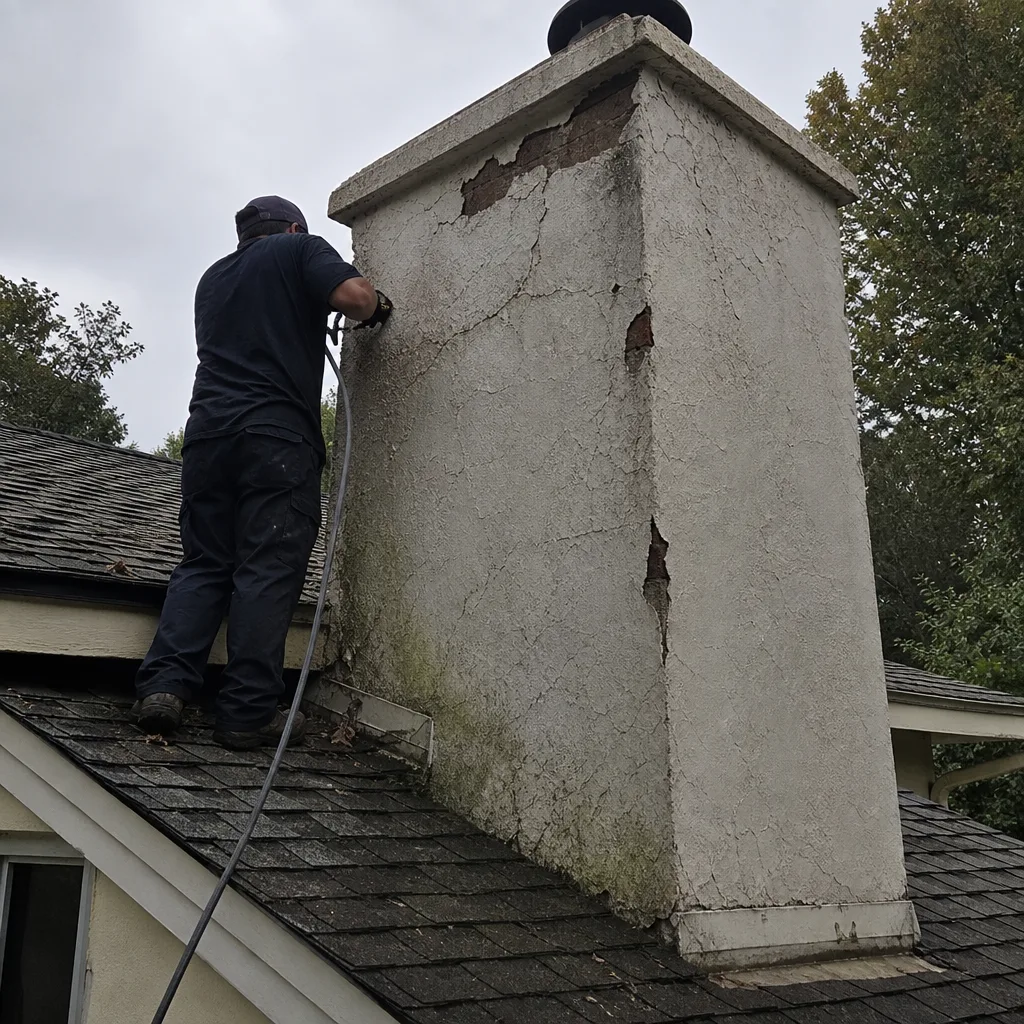 Before
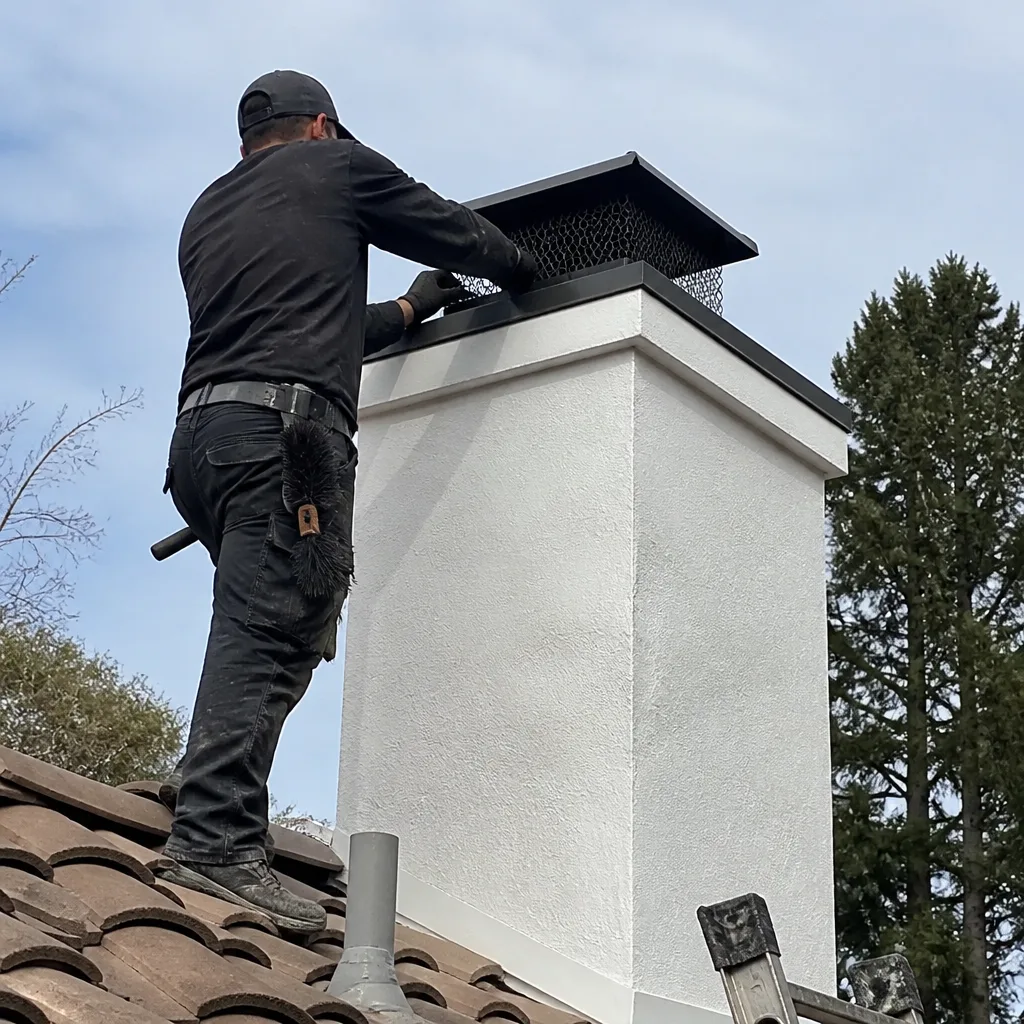 After
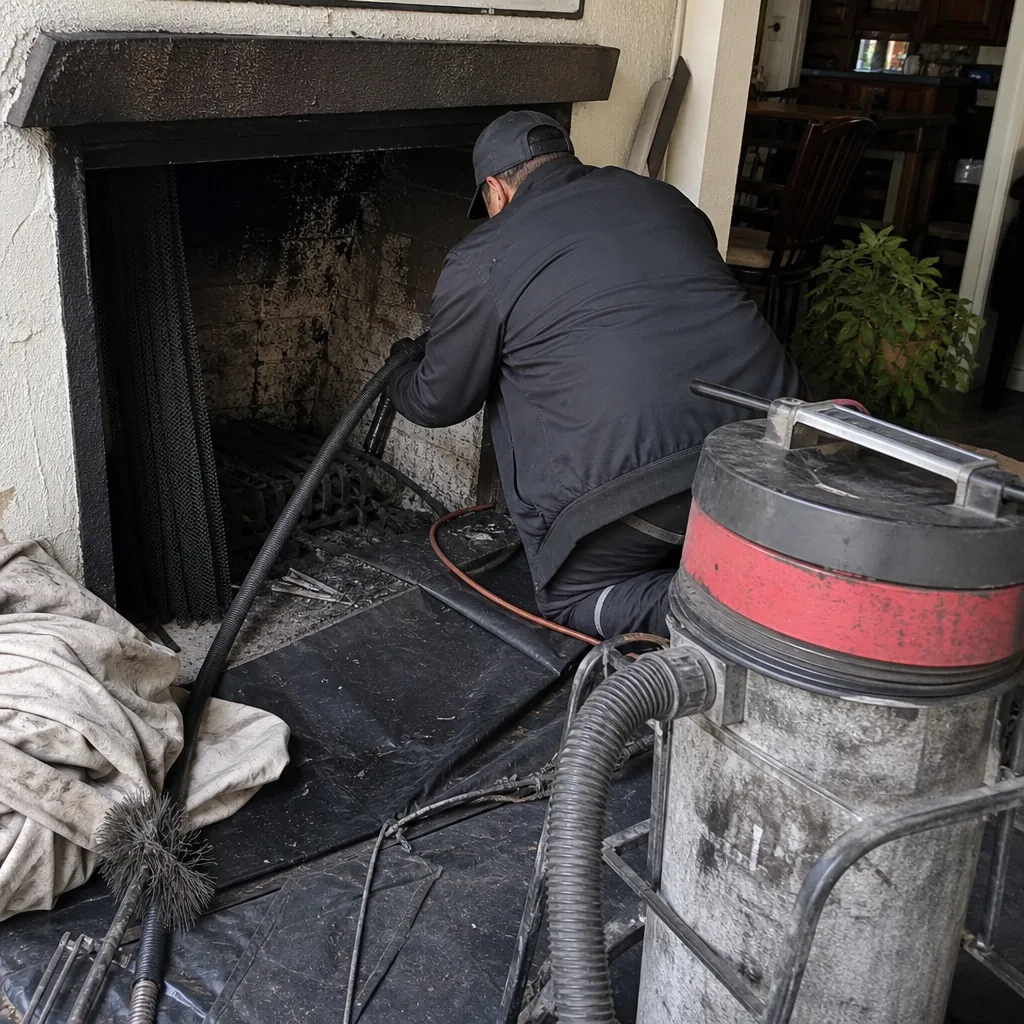 Before
 After
 Before
 After